






How opposition to data centres is bringing Democrats and Republicans together during midterms
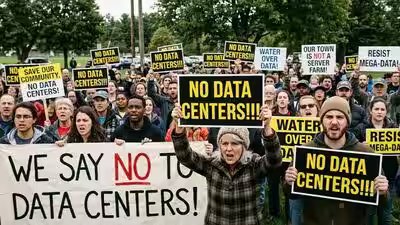
Across the United States, the rapid expansion of data centres is becoming an unexpected source of political conflict. Residents are challenging local officials, community groups are organising across party lines, and politicians who once welcomed the industry are being forced to reconsider their positions.The dispute goes beyond opposition to a new building in the neighbourhood. Data centres have become a focal point for wider concerns about the power of technology companies, the use of local resources and the extent to which communities have a say in decisions that affect them.Democrats and Republicans are finding common ground in their concerns about noise, electricity demand, water use and the speed at which new projects are approved.For some residents, the immediate problem is the effect on daily life. In Sterling, Virginia, people living near a data centre powered by natural-gas turbines have complained about persistent noise. Kasey Hatch, an IT infrastructure engineer who uses artificial intelligence at work, told NPR that she was surprised to discover that she and her staunchly Republican cousin agreed on the issue despite their political differences.Similar groups have emerged in states including Minnesota, Pennsylvania and Indiana. The Data Center Opposition Report estimated that about 640,000 people were active in the movement, while 220 new groups formed between June and August.The scale of the backlash has caught elected officials off guard. A poll by The Economist and YouGov of nearly 1,600 adults found that about two-thirds of Americans opposed new data centre construction in their communities.
The economic promise and the local cost
Data centres have brought substantial investment to some communities, creating construction jobs, a smaller number of permanent positions and significant tax revenue. Industry representatives say that revenue has helped local governments reduce taxes for residents. But the economic benefits have not erased concerns about the resources these facilities require.Data centres consume large amounts of electricity, while their cooling systems can use substantial quantities of water. Residents have also questioned whether the relatively small number of permanent jobs justifies the scale of development. Research by the Brookings Institution found that a new data centre typically creates between 100 and 200 local jobs, fewer than industry advocates often claim.The industry is also facing criticism over the way projects are negotiated. In some areas, elected officials have signed nondisclosure agreements with developers, leaving residents feeling that decisions are being made without adequate public scrutiny.
Politicians are changing course
The backlash is increasingly shaping political decisions. In Loudoun County, Democratic officials have disagreed over whether further expansion should be slowed, with opponents arguing that residents’ concerns deserve greater weight and supporters pointing to the revenue the facilities generate.Arizona introduced a three-year pause on new tax breaks for data centre projects in July, while Maryland’s Frederick County froze new development pending a state cost-benefit analysis. Texas, which has promoted itself as a centre of artificial intelligence investment, has also seen officials voice concerns about safety and quality of life.The issue is reaching national politics, too, as politicians from both parties are facing pressure to explain how they would regulate the industry’s growth, even as President Donald Trump has championed the expansion of artificial intelligence and criticised opposition to data centres.