






Toddlers’ brains engage more during books and puzzles with parents than movies, first-of-its-kind EEG study finds
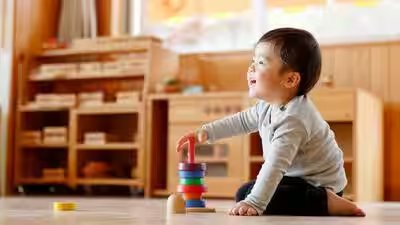
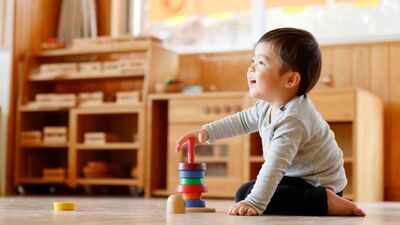
A toddler may sit quietly watching a movie, appearing completely absorbed in what is happening on the screen. But a new study suggests that the brain responds differently when children read a book, solve a puzzle or play with a parent. These everyday interactions were associated with brain activity linked to attention and social engagement, highlighting the value of shared activities in early childhood.Researchers at Northwestern University used child-friendly electroencephalography (EEG) to examine toddlers’ brain activity during natural interactions with their caregivers and while watching a movie alongside a parent. The findings showed lower alpha brain activity and higher theta brain activity during parent-child engagement than during movie viewing. The study offers a closer look at how young children’s brains respond to different everyday experiences. However, it measured brain activity during these activities and did not establish that screen viewing harms development or that interactive play necessarily produces better long-term outcomes.
5 Oct 2026 | 12:06
Parents, when your child refuses to greet relatives, do you make them say hello or respect their choice?
What happens inside a toddler’s brain?
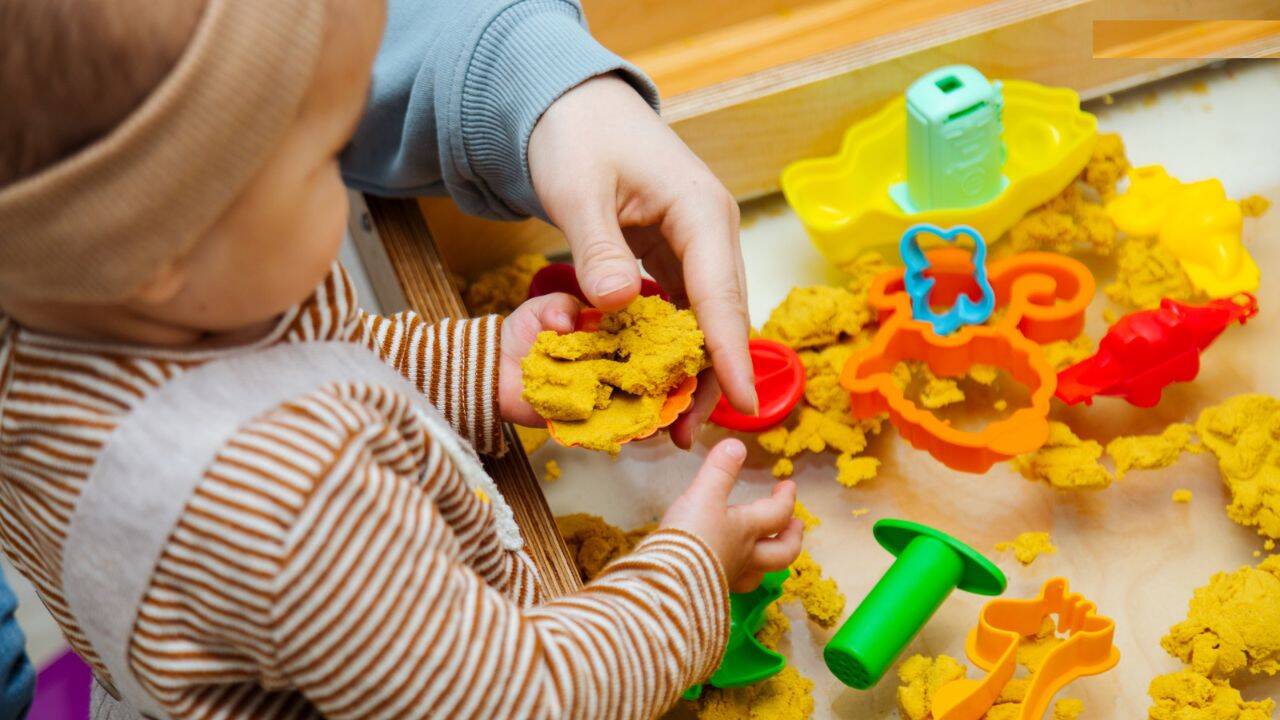
The research included 49 toddlers aged between 24 and 44 months. The children had a range of language abilities, and the group included children with and without autism. Each child and their caregiver wore stretchy EEG caps that recorded electrical activity from the scalp. The researchers observed familiar activities, including interactive book reading and puzzle-solving, before comparing the recorded brain patterns with those seen while children watched a movie with their parent.Instead of relying only on structured laboratory tasks, the team examined video recordings frame by frame to identify moments of social engagement between parents and children. They then compared brain activity during these moments with activity when the children were focused on the movie. This approach allowed researchers to investigate brain responses during more natural, everyday experiences rather than limiting observations to carefully controlled tasks.
Why books and puzzles stood out
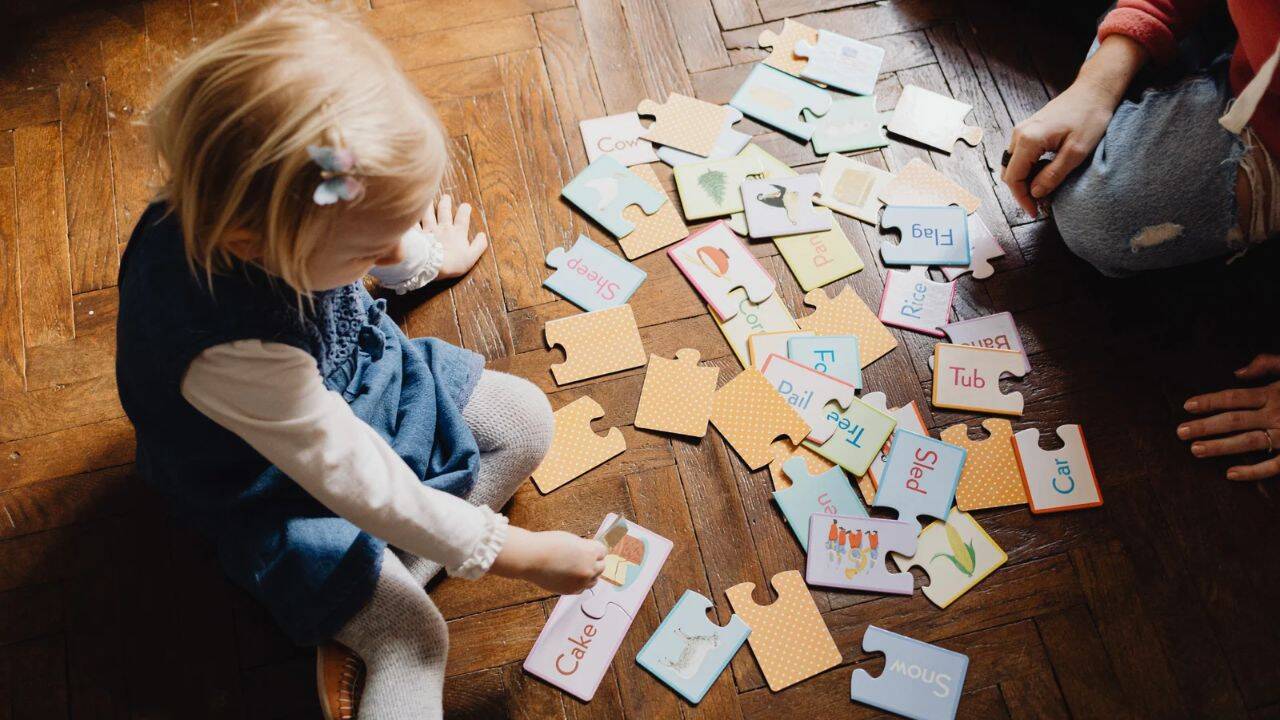
The researchers focused on two types of brain waves: alpha and theta. Lower alpha activity is often associated with an awake, attentive state, while higher theta activity can be associated with social attention and engagement. During moments of parent-child interaction, toddlers consistently showed lower alpha activity and higher theta activity than they did while watching a movie. Brittany Manning, a research assistant professor at Northwestern University’s Feinberg School of Medicine and a collaborator on the study, said the findings revealed a difference between appearing absorbed in a movie and showing the brain activity observed during direct engagement with a caregiver.The results suggest that activities such as reading together and working through a puzzle may involve more than simply keeping a child occupied. They create opportunities for children to respond to another person, follow shared attention and participate in an activity together. Elizabeth Norton, the study’s senior author, associate professor in Northwestern’s Department of Communication Sciences and Disorders, and director of the Language Education and Reading Neuroscience Lab, said the work highlights how connecting with a child through play and book reading can shift the brain into a learning-related state.
Similar patterns among children with and without autism
Another important finding concerned children’s language abilities and autism diagnoses. Researchers observed similar patterns of brain activity during parent-child engagement across children with different developmental profiles. According to Norton, autistic children and children with language delays showed instances of social engagement with their parents. Although such engagement occurred less frequently than among typically developing children, their brains showed comparable patterns of engagement during those moments.This distinction matters because it highlights that children who engage socially less often may still show strong brain responses when meaningful interaction occurs. The finding does not suggest that all children have identical developmental experiences, but it points to the importance of recognising individual differences while creating opportunities for connection.
What parents can take away from the study
The findings offer a practical reminder that shared activities can provide valuable opportunities for interaction during the toddler years. Parents do not need elaborate toys or specially designed learning programmes to create these moments. Reading an interactive book, solving a simple puzzle, talking about pictures or playing together can encourage children to participate rather than simply watch. The research does not establish a recommended screen-time limit, nor does it show that every instance of movie viewing is harmful. Instead, it examines how toddlers’ brain activity differs between screen viewing and direct engagement with a caregiver.The team is now investigating EEG data collected from parents during the same interactions. Researchers want to determine whether parents’ and children’s brain activity becomes synchronised during moments of engagement, and whether this synchrony is related to language development and mental health. They also hope to explore whether such measures could eventually help identify children who may benefit from early support.The study, co-led by Norton as part of the broader “When to Worry” research programme, is scheduled for publication on October 12 in a special issue of the journal *Brain and Language*. It was funded by the National Institutes of Health. For now, the central finding is clear: when toddlers and caregivers read, play and solve problems together, their interactions are accompanied by brain activity patterns associated with attention and social engagement. These ordinary moments may be an important part of how young children connect with the people around them.