

Hornbill with a broken beak gets 3D-printed replacement in world-first procedure
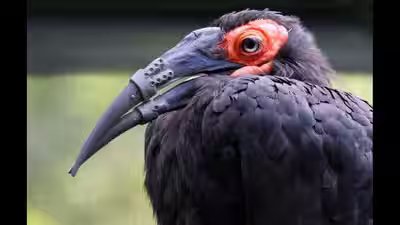
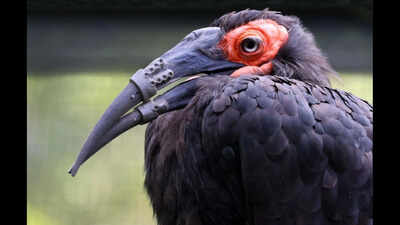
An injured hornbill at Artis Zoo in Amsterdam has received a pair of 3D-printed beak prostheses in a procedure believed to be the first of its kind. And the early results are encouraging: the bird started using its new beak on the very day of the surgery.The male southern ground hornbill had broken both the upper and lower parts of his beak, leaving behind two stumps. While he was still able to manage some daily activities, the injury made basic tasks much harder.For a bird, a beak is more than just a way to eat. Southern ground hornbills use theirs to search for food, probe the ground and keep their feathers clean. Losing much of that ability can seriously affect their quality of life.
How the new beak was made
Restoring both parts of the hornbill’s beak required a team of specialists from Artis Zoo, Utrecht University’s Faculty of Veterinary Medicine, UMC Utrecht and medical technology company Amnovis.According to Utrecht University, the team used CT scans and preserved fragments of the bird’s original beak to work out its shape and create replacements that would fit.Joëll Magré of UMC Utrecht developed the two 3D-printed prostheses, while Amnovis produced the titanium components needed to secure them in place.The treatment plan was developed with help from Artis veterinarian Martine van Zijll Langhout and avian specialist Yvonne van Zeeland. Veterinary surgeons Bjorn Meij and Lucinda van Stee then carried out the operation.The procedure stands out because both the upper and lower sections of the beak were restored using prostheses. Artis Zoo said it was the first known case of both parts of a bird’s beak being repaired this way.
The hornbill started using it the same day
One of the biggest questions was whether the bird would be able to use the new beak and adapt to it.The first signs were promising.According to the zoo, the hornbill began using the prostheses on the day of the operation. By the following morning, he was able to pick up a small mouse from the ground on his own.A few days later, he started preening his feathers again, another encouraging sign that he was regaining some of the abilities the injury had taken away.
What comes next?
For now, the team will continue to monitor the hornbill and see how well the prostheses hold up over time. Although his early progress is encouraging, their long-term effectiveness is still to be established.If the treatment proves successful, it could offer a new option for veterinarians dealing with similar injuries in other birds.The researchers also hope to publish their findings, allowing other specialists to learn from the procedure.For this hornbill, the immediate change is already clear. Tasks that had become difficult after his injury are becoming possible again, thanks to a carefully designed replacement for one of the most essential parts of his body.