





In 2024, a couple bought a neglected 1800s Brooklyn lodging house and uncovered a 1901 coal delivery schedule linked to the husband’s family history; after a difficult restoration, it is becoming their third guesthouse
When James and Laureta Gale entered the basement of a run-down 1880s Brooklyn lodging house in 2024, they expected to find damaged walls, dust and old plumbing. Instead, beneath layers of dirt, they found a forgotten piece of history: a handwritten coal delivery schedule from 1901. The discovery had a special meaning for the couple. According to People magazine, James’s grandfather had worked as a coal truck driver, bringing fuel from Pennsylvania’s Shenandoah Valley to New York City. During that same period, coal was used to heat brownstones and lodging houses across the city’s boroughs. James’s father was also born in Brooklyn, while his grandmother lived in the area.Laureta recalled the moment the couple realised what was pinned to the basement wall. “When we saw it, it felt surreal,” Laureta told People magazine. “It was like uncovering a small piece of the house’s story, and somehow a piece of James’s family history too.” The couple run a small hospitality business called Gale Guesthouses. They bought the neglected 19th-century property in 2024, planning to turn it into their third guesthouse.
Structural setbacks and hidden artifacts
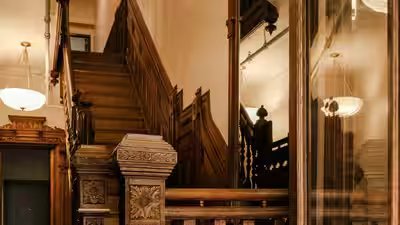
Turning the abandoned building into a working guesthouse has brought many physical and financial challenges. Built in the late Victorian era, the limestone and brick building was first used as a family home. It was later changed into a lodging house with several rooms before years of neglect left it in poor condition. An early inspection revealed serious structural problems. During the demolition work, contractors found rotten support beams on several floors. In one incident, a brick beam spanning three floors collapsed after being supported by a single weakened post. The couple had to stop construction and carry out urgent work to make the building safe. Along with the structural problems, the property revealed several historic features hidden beneath years of modern changes. According to social media updates and interviews published by People magazine, the restoration team found an original stained-glass pocket door, wallpaper patterns more than 100 years old, hidden woodwork in the entrance area and vintage dress bustles left behind by residents in the late 1800s. To bring the building up to modern standards, the couple also had to fix a major gas line problem. They dug trenches to install new utility lines and fitted energy-efficient heating, ventilation and air conditioning systems. They also added a custom layout for lighting and fog effects.
Transforming a historic lodging house
The 1880s building is being converted into an 11-room guesthouse. Each room will have a small kitchen and an updated private bathroom. The couple worked closely with local experts in historic restoration to preserve the original woodwork, decorative moldings and brickwork while ensuring the building met modern safety and construction rules. The project is the latest addition to Gale Guesthouses. The business focuses on restoring neglected or historic Brooklyn townhouses and turning them into boutique places to stay.James explained that carrying out a full historic renovation in New York City means balancing the need to preserve the past with high operating costs. “It took longer than we thought, and it was harder than we imagined,” James said in video updates about the project cited by People magazine. “Sometimes restoring an old building feels less like renovation and more like coming home.”
A family connection to Brooklyn history
Finding the 1901 coal delivery schedule reminded the couple of how the building was used more than a century ago. At that time, horses filled Brooklyn’s unpaved streets, and coal fireplaces were the main source of heat. James’s family connection to the neighbourhood’s industrial past gave the project a deeper personal meaning. His grandfather was among the delivery workers who used horse-drawn carts and early fuel trucks to carry coal across the East River. They delivered fuel to homes and other residential buildings like the one the couple is now restoring. As work on the upper floors approaches completion, the couple plans to frame and preserve the original 1901 delivery schedule. They intend to display it inside the finished guesthouse as a lasting tribute to the building’s history and their family’s roots in New York City.