








Rivers have always been symbols of movement and sustenance, come what may. But years of industrial activity have polluted the waterway that has supported communities and wildlife.In northeastern Minnesota, the St. Louis River is beginning to tell a different story. A major milestone was reached in May 2026, when the US Environmental Protection Agency (EPA), alongside the Minnesota Pollution Control Agency (MPCA) and other partners, celebrated the completion of the final sediment cleanup project on the Minnesota side of the river. The latest project addressed 225,000 cubic yards of contaminated sediment at Thomson Reservoir, bringing the total amount of contaminated sediment addressed across the wider St. Louis River restoration effort to more than 1.9 million cubic yards.According to the EPA, in an announcement dated May 26, 2026, the project marked the completion of all eight sediment cleanup projects on the Minnesota side of the St. Louis River Area of Concern, an effort that began in 2018.
A river carrying the weight of its industrial past
The St. Louis River is the largest tributary flowing into Lake Superior and forms an important estuary near Duluth, Minnesota. While it is now recognised for its ecological importance, the river has spent much of its history dealing with the consequences of industrial development. Commercial shipping, pulp and paper manufacturing, along with other industrial activities, have left behind pollutants that have, over time, settled on the riverbed.Some of these contaminants included mercury, dioxins, polychlorinated biphenyls (PCBs) and polycyclic aromatic hydrocarbons (PAHs). These substances are particularly concerning because contamination does not simply disappear once industrial activity stops. The scale of the damage was significant enough for the St. Louis River to be designated an Area of Concern in 1987 under the Great Lakes Water Quality Agreement. These areas are identified because of substantial environmental degradation and the resulting loss of important ecological and human uses of the waterway.According to MPR News, people who grew up around the Cloquet area even recalled a time when the river was referred to as ‘Stinktown’. Swimming, fishing and eating fish caught from its waters were activities that residents were discouraged from undertaking.
Eight years of sediment cleanup
The first of the eight sediment cleanup projects on the Minnesota side began in 2018, when the EPA and its partners removed approximately 37,000 cubic yards of contaminated sediment from Minnesota Slip in Duluth. Over the following years, work continued across several locations, including commercial shipping slips in the Duluth-Superior harbour and other stretches affected by historical industrial pollution. The methods used to address the contamination varied depending on the conditions at each site. In some places, crews dredged contaminated sediment from the riverbed, while other locations required remedial caps to prevent pollutants from entering the aquatic food chain.
(Image credit: Wikimedia Commons)
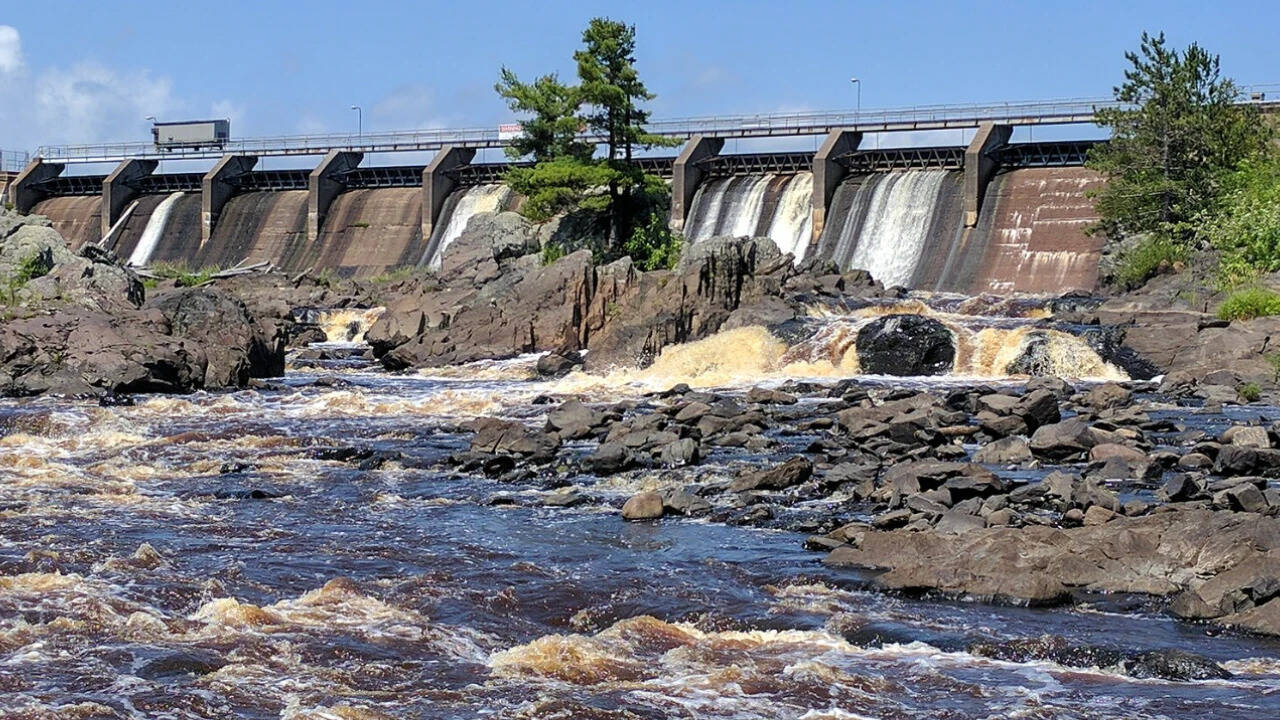
The final project was undertaken at Thomson Reservoir in Carlton, approximately 15 miles upstream of Duluth. The $30.5 million project addressed 225,000 cubic yards of contaminated sediment and took two years to complete. MPR News stated that approximately 20,000 tons of activated carbon were spread over the water. As the material settles to the bottom, it binds to contaminants, reducing their availability to the organisms that make up the aquatic food web. The contamination is still present in the sediment, but the treatment is intended to prevent it from remaining biologically available and posing the same threat to the ecosystem.
More than sediment: restoring a living ecosystem
The EPA reported that restoration partners have completed 17 habitat projects across the wider Area of Concern, restoring more than 1,000 acres of habitat. More than 80,000 pounds of manoomin, also known as wild rice, have been seeded as part of these efforts.One example of the wider restoration work was a project along the Duluth shoreline, completed in 2021, which involved removing nearly 20,000 dump trucks’ worth of old timber waste that had accumulated in the river. The discarded material had been suffocating aquatic life at the base of the food chain. The financial investment behind the restoration has also been substantial. According to the EPA, the Great Lakes Restoration Initiative provided $250 million towards the wider effort, including $187 million under the Great Lakes Legacy Act. These funds helped secure another $208 million in contributions from state, local and industrial partners.
A different relationship with the river
Perhaps one of the most encouraging signs of progress is the changing relationship between local communities and the St. Louis River. Places that were once associated with industrial pollution are increasingly becoming spaces where people can spend time outdoors. MPR News reported that more people are now fishing, paddling and even swimming in stretches of the river, activities that would have been difficult to imagine during the years when residents were warned against contact with its waters.However, the May 2026 announcement does not mean that the entire restoration effort is now complete, as it concerns the completion of the eight sediment cleanup projects on the Minnesota side. Further work remains on the Wisconsin side, while a separate wetland restoration project at Mud Lake in Minnesota is also expected to be completed in 2027. There is also the wider question of removing the St. Louis River from the Great Lakes Area of Concern list. Of the nine environmental impairments originally identified, four have been removed so far. The remaining designations will depend on continued restoration and monitoring to demonstrate that the river has recovered sufficiently.