






The curious story behind the Langra Aam: Why is this famous mango called ‘langra’ |
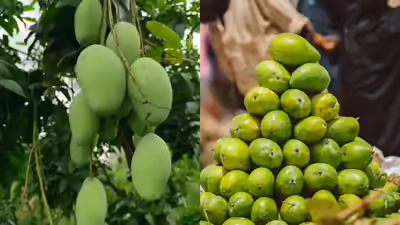
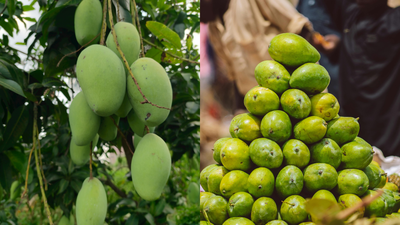
Langra mango is one of the most popular and well-known types of mangoes grown in India. It is appreciated not only because of its unique taste and pleasant aroma but also for its soft and juicy pulp. However, apart from all the other characteristics, one of the things that attracts the interest of many is its unusual name. Translated into english, “langra” means “lame.” This may seem rather strange, especially if one bears in mind that mangoes lack legs. The origin of the name can hardly be explained from the perspective of botany but must have more to do with culture. Namely, according to some theories, it could relate to someone who took care of the original tree or even was the owner of the orchard.
Where did Langra mango come from: Tracing its roots in northern India
According to some experts, the langra mango was initially cultivated in the nutrient-rich soil of northern India. For ages, the cultivation of mangoes has been part of agricultural activities there. In the course of time, the mango fruit gained fame due to its delicious taste, which was not only sweet but also had a slight hint of tanginess, along with its unique feature of being fibre-free and retaining its green colour even when fully ripe.In contrast to most other types of mangoes, whose colour changes with their ripening process, the langra mango maintains its green colour and thus is easily distinguished from other fruits.The persistence of langra in the market reflects the importance of the traditional classification of the fruit based on its taste and properties.
The story behind the name ‘Langra’
“Langra,” as a name, is generally associated with a legend within the community. It is believed, according to popular oral narratives, that the initial plant that gave rise to the fruit was planted by a person with a leg deformity. The people in that particular locale started calling the fruit “langra mango.” As the name implies, it simply means “lame man’s mango” as it comes from someone who was affected with lameness. This sort of naming is not uncommon in agricultural societies where fruits and crops have names derived from their origins or other similar legends and personal experiences.What makes this interesting is the fact that a connection to a human aspect is incorporated into the fruit’s name.
Cultural importance and popularity
This mango variety is much more than a fruit; it represents a cultural cycle linked to the advent of the summer season. The markets start getting filled with the typical fragrance, and the mango becomes available in all households and parties.The reason why people love it so much has a lot to do with its taste as well as its consistency and predictability. It brings back memories to some of us; memories linked to sunny days and tasty moments. There is still great demand for it from the farmers’ perspective, and consumers keep purchasing it for the same exact reasons.It also represents the importance of maintaining agricultural biodiversity through traditional varieties such as the langra mango.How folklore shapes food namesA case in point is the name of the langra mango that tells us quite a lot about the influence of the language and folklore on the naming practices. Naming foods after individuals, cities, and events is a practice used across different societies all over the world, and while such a naming process is sometimes illogical, it is very meaningful indeed.Thus, even if at first glance the name may seem somewhat strange, it only serves as a testimony to the fact that food is inseparable from a human story. In fact, the name only adds some historical value to the langra mango.It is the story behind the fruit and not the name itself that makes it worth considering and enjoying. This particular experience demonstrates quite well how easy it is to preserve a piece of history through the name of a product.