






Why smart homeowners are ditching flowers for small shrubs this year |
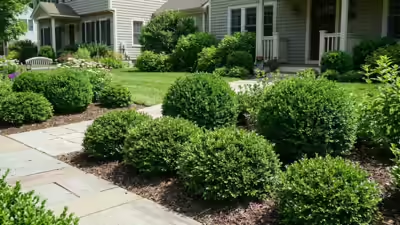
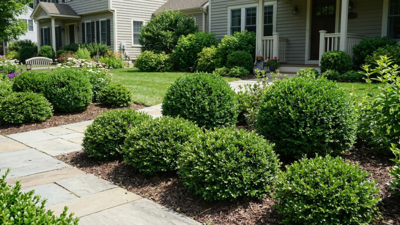
For most American homeowners with a small front yard, there are two extremes they are caught between: either they let it go scraggly, or they stuff it with plants that promptly swallow the whole thing. Neither works, but there is a middle ground, and it begins by rethinking the role of shrubs.We’re not talking about the giant hedges you see around; we’re talking about smart little bushes that do double duty: looking good year-round and keeping the space from becoming a mess every winter.Why shrubs are the unsung heroes of front yard gardeningAnnuals are for one season. Perennials, they have their time. Bushes? These are the plants that stick around, holding the fort down when all the rest have gone dormant or died back. The wooden stems stop the planting looking stark and empty when it’s 30 degrees and grey outside.The real trick is to pick the right ones for a tight space. Not every shrub is suited to a small front yard, and the biggest mistake most people make is going too big too fast.Go small or go homeScale is everything in a tight front yard. One errant shrub too close to the walkway can block the entire view from the street and make your yard feel like a tunnel.The sweet spot is layering: smaller shrubs in front, taller ones, if any pushed, to the back. This way the border is visible from the sidewalk, and adds depth to the yard without making it feel claustrophobic. It is better to think less about making a bed and more about setting up a room. Heights should recede gradually, so the eye has room to go.It helps that front yards are actually worth investing in for more than just how they look. A 2021 study published in the journal Leisure Sciences found that people who had planted front gardens believed they were making a meaningful contribution to their neighbourhood and enjoyed more casual interactions with neighbours as a result. Your yard is not just your business; it’s also quietly doing community work.Evergreens: the hardest working plantsHere’s the cold truth about winter kerb appeal: if you don’t have evergreens in your front border, you’re likely looking at a pretty sad scene from November through March. Most deciduous plants die back, and the bed can look abandoned without something to hold the structure.Aim to have around a quarter to a third of the shrubs be evergreen or semi-evergreen. The ratio gives the yard a structure in the colder months without being stiff or static the rest of the year. Consider them the furniture of the garden, so that the room doesn’t feel empty even if nothing else is flowering.Plant dwarf inkberry, other low-growing boxwood alternatives, or creeping juniper close together to form a low, uniform layer, lending a deliberate look rather than a haphazard appearance to the border.
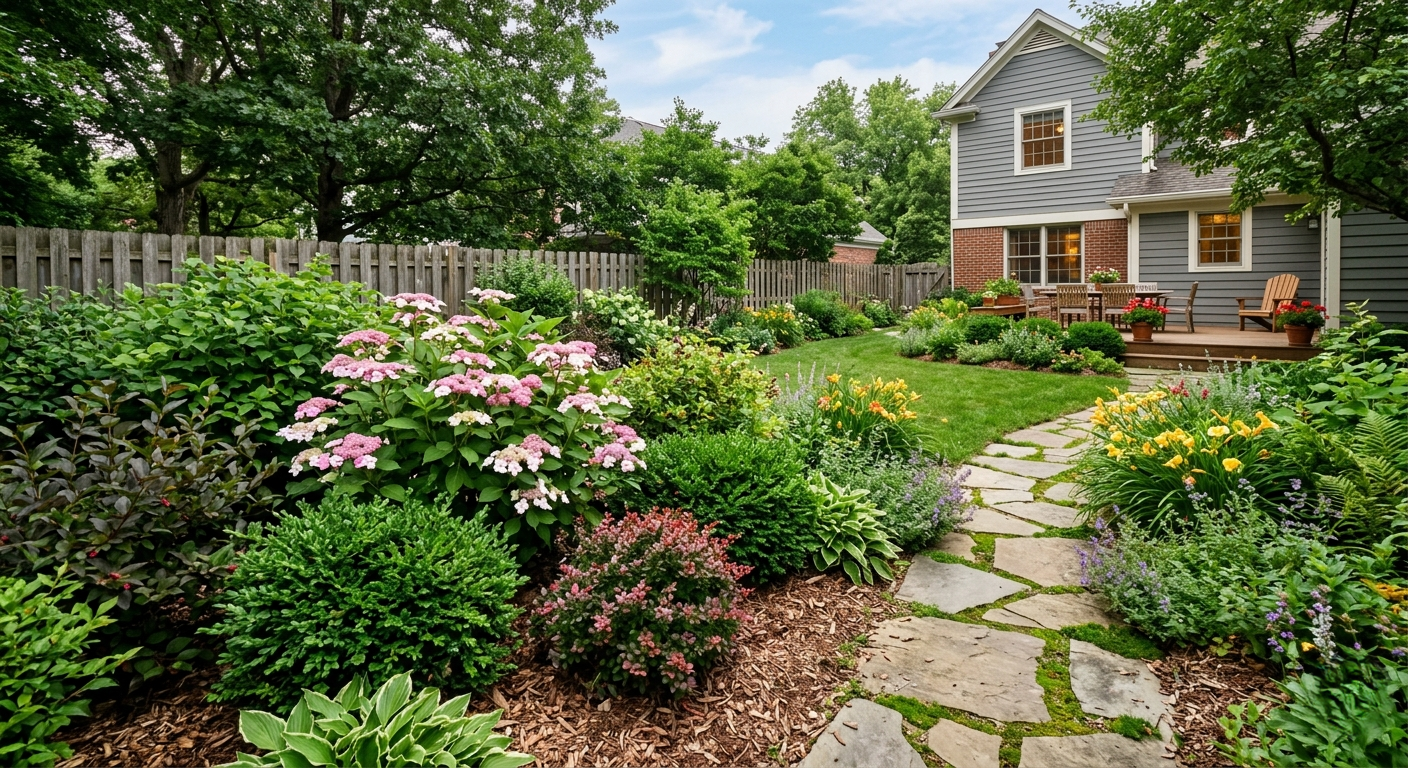
The right shrubs make a front yard look like it was always meant to look this way. Image Credits: Google Gemini
A planted front yard is good for you, not just your kerb appealAdding ornamental plants to 38 small front gardens in northern England that had been bare was the subject of a further study, published in Landscape and Urban Planning. The results were stunning. Residents saw big decreases in perceived stress, and the number of people with healthy cortisol patterns, a biological marker of stress regulation, nearly doubled in three months. The gardens were small, about the size of a typical bathroom, but the plants did all the work.Ground cover as a design move, not a lazy fixClose-planted small shrubs are not just a space-filler; they are a solid design choice. Tight shrubs that blanket the ground cover up the bare patches of soil that make a small yard look like a work in progress. The planting looks cohesive and calm, even in mid-season when other plants are between their moments.This is particularly valuable at entrances and along paths where the border is visible daily. A low-planted edge that holds its shape in January looks intentional, while bare earth in the same place just looks unfinished.Beyond blooms: choosing shrubs that keep on givingA shrub that looks good for only three weeks in May isn’t doing its job in a small yard. The best picks bloom in season, have interesting foliage through summer and fall, and maybe have berries or structure in winter. That’s four seasons’ worth of value from one plant.Shrubs such as beautyberry offer electric purple fall fruit, dwarf fothergilla has spring flowers and stunning fall colour, and low-growing spirea offers a dependable summer display. None of these is big, but all are beautiful, and all have more than one good thing going for them over the year.The simple rule to live byTall shrubs go in the back. Use small and medium shrubs throughout, layered carefully. Make sure you have plenty of evergreens in your planting, and don’t try to fill every inch of space. A breathing border is always preferable to one that’s bursting at the seams.Your front yard doesn’t need a landscape architect and a big budget. It just needs a few well-chosen shrubs doing the right jobs in the right places.