





Gayatri Jayanti / Nirjala Ekadashi: The regional customs, food, and family questions readers search for |
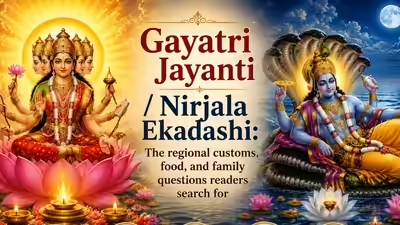
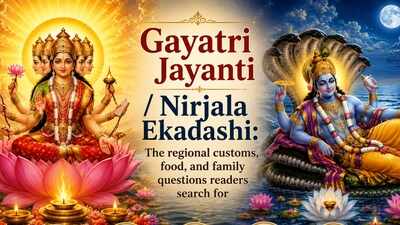
By late June, many homes begin to sound different. Someone is checking the panchang, the Hindu almanac, on a phone. Someone else is asking if water is allowed, if tea counts, if Dwadashi, the twelfth lunar day, will end too early where they live. In some families, the day is spoken of as Nirjala Ekadashi, the waterless Ekadashi fast linked to Vishnu bhakti, devotion to Lord Vishnu. In others, the same date also carries the name Gayatri Jayanti, a day associated with Gayatri, the Vedic mother mantra and the goddess form of sacred wisdom.
Why this Ekadashi feels heavier than most
Every Ekadashi has its own weight, but Nirjala has a reputation that even casual observers know. It is often called Bhimseni Ekadashi, after Bhima of the Mahabharata, who is said to have found it hard to observe all the Ekadashi fasts through the year. The popular vrat katha, the sacred fast legend, says he was advised to keep this one Ekadashi with full discipline, and that its merit would stand in for the others. That is one reason families speak of it with a mixture of reverence and caution.The word nirjala means “without water.” That one detail changes the atmosphere of the day. This is not a light dietary adjustment. For those who keep it in the strict form, the fast is intense, prayerful, and physically demanding, especially in Jyeshtha, one of the hottest periods in much of India. The observance is generally dedicated to Lord Vishnu, with recitation of Vishnu Sahasranama, the thousand names of Vishnu, or simple japa, repeated mantra chanting, of “Om Namo Bhagavate Vasudevaya.“Gayatri Jayanti adds another layer. In several traditions, Jyeshtha Shukla Ekadashi is also remembered as the appearance day of Goddess Gayatri, and some connect it to Rishi Vishwamitra and the revelation of the Gayatri Mantra, the famous Vedic prayer beginning “Om Bhur Bhuvah Svah.” So the day can hold both tapas, disciplined austerity, and mantra upasana, focused spiritual worship.
One date, different emphasis in different homes
This is where readers often get confused, and where family custom matters more than internet certainty.In many Vaishnava homes, the day is first and foremost Nirjala Ekadashi. The rhythm is familiar, sankalpa, the formal vow, in the morning, a simple Vishnu puja, temple darshan if possible, and strict fasting until Dwadashi parana. In some North Indian households, especially in Uttar Pradesh, Delhi, Rajasthan, Haryana, and parts of Madhya Pradesh, devotees also donate water, matka, the earthen water pot, sugar, fan, fruits, or cloth, because the heat of the season is part of the day’s moral imagination. To give water in summer is itself punya, sacred merit.In some Gayatri Parivar and mantra centered homes, the day leans toward Gayatri sadhana, disciplined spiritual practice. You may see a clean altar with a Gayatri image, a ghee diya, clarified butter lamp, yellow or white flowers, and repeated chanting of the Gayatri Mantra in fixed counts. Some observe a fast, some keep phalahar, a fruit-based vrat diet, and some combine Gayatri japa with the Ekadashi discipline.In Maharashtra and Gujarat, many families keep the Ekadashi frame but adapt food rules according to household practice. Sabudana khichdi, vrat potatoes, fruit, milk, and peanuts may appear in homes that are not observing the strict nirjala form. In South India, Ekadashi observance often follows temple or sampradaya, lineage tradition, closely, and devotees may speak less of “festival food” and more of upavasa, sacred fasting, and next-day parana after morning worship. The point is simple. There is no single all-India domestic script.
Where people make mistakes
The most common mistake is treating Nirjala as a test of endurance rather than a vrata, a sacred vow. If your health does not permit a waterless fast, don’t force it. Elderly devotees, pregnant women, nursing mothers, children, and anyone with diabetes, dehydration risk, kidney issues, or active illness should take advice from family elders, guru if they have one, and a doctor where needed. In many homes, such devotees keep a lighter form, with water, fruit, milk, or one simple sattvik, pure and restrained, meal. A vrata kept with sincerity and care is better than one that harms the body.The second mistake is ignoring parana timing. Ekadashi fasting is not just about abstaining on one day. Breaking the fast within the proper Dwadashi window matters. If Dwadashi ends early in your location, your parana may need to happen soon after sunrise. Temple calendars, Smarta calendars, and Vaishnava calendars may list slightly different windows, so follow the tradition you actually observe.The third mistake is assuming all “vrat food” is acceptable. On Ekadashi, many devotees avoid grains and beans. Some also avoid certain spices, onion, garlic, and regular table salt, using sendha namak, rock salt, instead. But Nirjala in the strict sense means no food and no water at all, from the start of the fast until parana. If you are doing phalahar, say so plainly. Don’t call it nirjala unless that is truly the form you’re keeping.
How the day is often observed at home
A simple home observance begins the previous night with a light sattvik meal, if the family takes one at all. On Ekadashi morning, devotees bathe early, wear clean clothes, and make a sankalpa for the fast. The puja area is cleaned. Vishnu, Lakshmi Narayana, or a saligrama, the sacred Vishnu stone worshipped in some homes, may be offered tulsi, holy basil leaves, flowers, incense, and lamp. If the home is marking Gayatri Jayanti too, the altar may include a Gayatri image, red or yellow cloth, and mantra japa.There is no need to overcomplicate the puja. A few quiet acts done with steadiness are enough. Offer water symbolically if your tradition permits, light the diya, chant the Gayatri Mantra, read or hear the Ekadashi vrat katha, and spend some time in nama smarana, remembrance through the divine name. Those who can visit a Vishnu temple often do so in the evening.Charity also has a place on this day. In many regions, people offer water, sharbat, hand fans, fruits, or food to brahmins, pilgrims, or those in need. The season explains the custom as much as the scripture does.
Food questions families ask every year
Can you have tea? In a strict Nirjala fast, no. In a phalahar fast, it depends on family practice, though many avoid tea and coffee to preserve the austerity of the day.Can you drink water if you feel unwell? Yes. Health comes first. If a strict fast becomes unsafe, break it with water and continue the day in prayer.What do people eat if they are not keeping Nirjala? Fruit, milk, curd, makhana, fox nuts, sabudana, vrat ke aloo, potatoes prepared for fasting, and preparations using rajgira or singhara flour in some regions. But remember, these are fasting foods for a lighter Ekadashi observance, not for the strict waterless form.When should the fast be broken? On Dwadashi, during the local parana period after sunrise, according to your panchang. That timing may differ from city to city and from one calendar tradition to another.
Gayatri on the lips, a water pot at the door
What makes this observance memorable across India is that it joins two kinds of discipline. One is inward, mantra, silence, restraint, remembrance. The other is embodied, heat, thirst, charity, and care. In one house, a grandmother counts Gayatri japa on her fingers. In another, a father places a clay pot of cool water outside for passersby before beginning his fast. Both acts belong to the day.If your family has never observed it before, keep it simple this year. Confirm the local tithi, decide honestly what form of fast your health allows, and mark the morning with prayer instead of confusion. Then set an alarm for parana. On a day named Nirjala, even the first sip on Dwadashi is part of the worship.