






Psychology says the happiest travellers don’t spend more money but simply follow these 5 travel habits on every trip |

For a number of people, travel is considered as the ultimate escape from everyday mundane life. But psychology suggests that simply boarding a flight doesn’t automatically make us happier. A growing body of research in positive psychology and tourism studies has found that there are certain travel habits which boost happiness, improve emotional wellbeing, and create memories that last long after the holiday ends. Studies published in journals such as Frontiers in Psychology, the International Journal of Wellbeing, and Tourism Management show that travellers who embrace novelty, practise gratitude and remain present enjoy significantly more satisfying trips.On this note, let’s have a look at five psychology-backed habits that can help you get far more than just beautiful pictures.Happy travellers seek experiences they can’t create at home

Happy travellers
This is one of the most important and strongest findings in travel psychology. Researchers found that exploring new places, relishing local food, taking a different walking route, or participating in unique cultural activities increases positive emotions. It is because the brain treats such experiences as rewarding.Interestingly, novelty doesn’t have to mean expensive adventures. Even visiting a lesser-known neighbourhood, or just attending a local food festival, can offer the mental stimulation associated with happier travel.For travellers, this could mean exploring local markets in Vietnam and not shopping inside local malls or joining a tea plantation tour in Sri Lanka, or choosing a food festival in Delhi. The lesson is loud and clear: the happiest travellers actively seek experiences they cannot recreate at home.They slow down and live in the present

Happy travellers
Happy travellers believe in slow travel. They are not running around to seek checkout five top attractions in one day! They are not rushing from one landmark to another, or spending more time checking itineraries than enjoying the destination itself.A study involving hundreds of vacationers found that people who consciously stopped to take in views or enjoy food or just talk to locals reported major greater vacation satisfaction. Those who constantly worried about schedules or “what comes next” enjoyed their holidays much less.So the takeaway from this is that the best travel memories aren’t planned at all! They are spontaneous. They practise gratitude throughout the trip
Happy travellers
Yes, and we are talking about science-backed data. A meta-analysis covering over 24,000 participants across 28 countries discovered that gratitude practices consistently improve wellbeing, although the effects vary across cultures. Even simple acts such as mentally noting three things you’re thankful for can boost positive emotions.Instead of ending each day by counting how many places you visited, try asking yourself:What surprised me today?Who made my day better?What moment will I remember years from now?They build genuine human connections
Canva
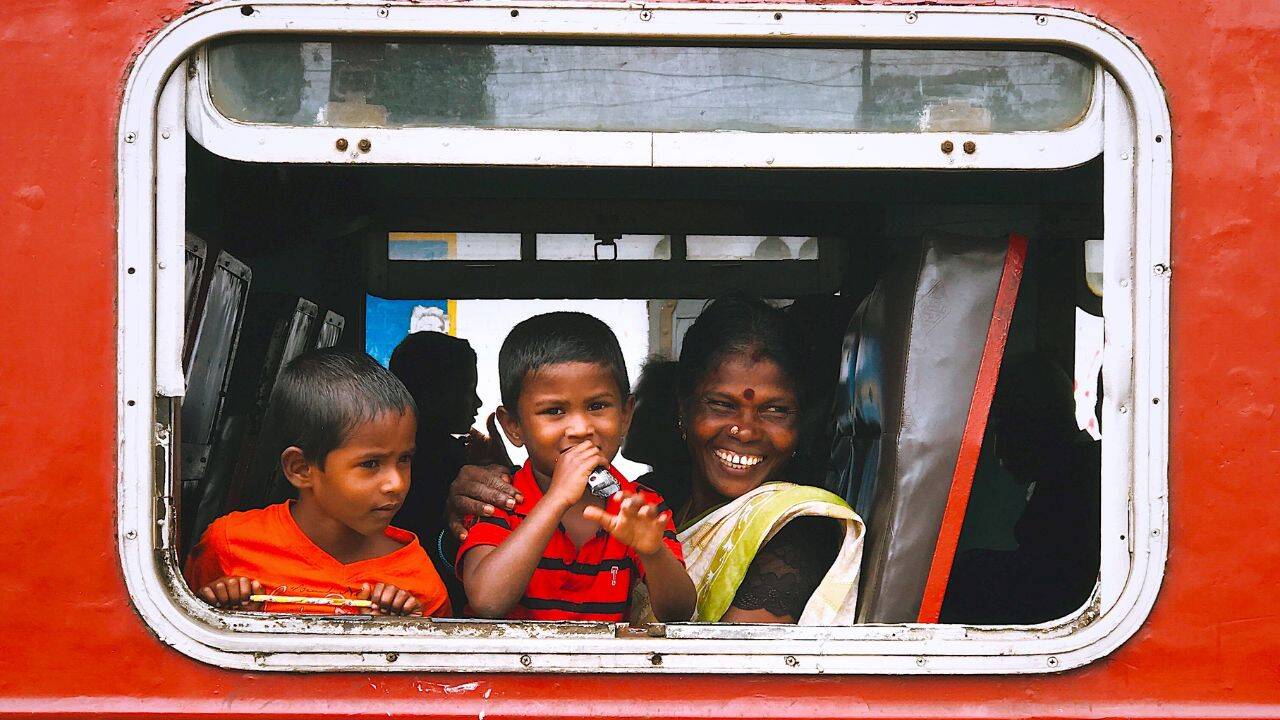
The happiest travellers go around collecting stories and making long-term friendshipsWhether talking with a local vendor or joining a walking tour or just sharing a meal with fellow travellers, social interactions become a memorable part of a journey.Recent research based on tourism shows that meaningful travel conversations contribute to both immediate happiness and longer-term wellbeing. Feelings of freedom, personal growth, gratitude, and shared memories play an important role in making travel a rewarding experience.They focus on relaxation and not on “perfect holiday”
Happy travellers
Well it’s a fact that when you are trying too hard to have the “perfect holiday”, it makes vacations less enjoyable.A landmark study involving more than 1,500 people found that while travellers often feel happier before a holiday because of anticipation, only genuinely relaxing vacations produce lasting improvements in happiness after returning home. This explains why many people return from vacations feeling exhausted.And that’s why sometimes the best and most productive thing you can do while travelling is absolutely do nothing!