






Scientists in Singapore have found a way to transform shrimp shell waste into ‘carbon-negative’ hydrogen fuel, turning biomass waste into valuable climate solutions
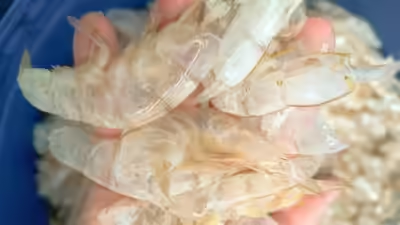
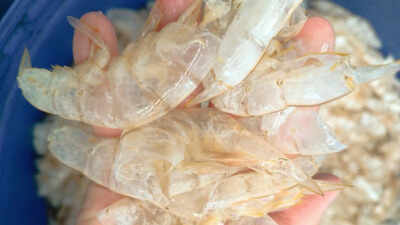
Discarded shrimp shells could soon become more than kitchen waste. Scientists in Singapore have developed a process that converts organic rubbish into hydrogen fuel, protein for aquaculture feed and calcium carbonate, a material used in products such as cement and antacids.The technology was developed by electrochemical engineer Li Hong and his team at Nanyang Technological University (NTU). It uses carbon-rich waste to produce what researchers describe as ‘carbon-negative’ hydrogen. The process aims to remove more carbon dioxide from the atmosphere than it generates by preventing organic waste from ending up in landfills and creating useful products from it.The laboratory-scale system is still far from commercial production, but researchers say it offers a new approach to dealing with two major challenges at once: Reducing waste and finding cleaner alternatives to fossil-based energy and industrial materials.
Turning seafood waste into hydrogen
Most hydrogen produced today comes from a process that uses natural gas and steam, creating what is known as “gray hydrogen”. Cleaner versions, including “green hydrogen”, rely on renewable electricity to split water into hydrogen and oxygen.Li’s team took a different route. Instead of using water as the main raw material, the researchers adapted electrolysis technology to work with organic waste such as discarded shrimp shells.Traditional water electrolysis requires large amounts of energy and produces oxygen, which can make the system more difficult to manage. The Singapore team’s approach uses organic materials that react more easily with the help of a catalyst, reducing energy requirements while avoiding the oxygen-related challenges of conventional electrolysis.The process begins by crushing shrimp shells into a reddish slurry. Using ball milling equipment, the researchers separate calcium carbonate from the mixture. The remaining organic acids and ammonia are then fed into an electrolyser installed on the university’s rooftop.Powered by five solar panels, the electrolyser works like a battery, with electrodes placed on opposite sides of a tank and a membrane separating them. As electricity passes through the organic mixture, hydrogen gas is released and collected.In their laboratory setup, the team produced 14 litres of hydrogen gas per hour.
A waste system designed to produce more than fuel
Hydrogen is only one part of the process. After electrolysis, the remaining biomass is transferred into a bioreactor where phototrophic purple bacteria are added.These bacteria ferment the leftover material into a protein-rich product that can potentially be used as feed for farmed seafood, including shrimp.The researchers say this could help reduce reliance on wild fish caught to feed aquaculture operations. By creating feed from waste, the system aims to create a circular process where seafood waste can eventually support seafood production again.“The process ‘closes the loop from the waste to the food,’ says Li, and it employs a waste-to-wealth mind-set.”The third major product is calcium carbonate, which could replace some quarried limestone used in cement production. The global cement industry produces around 4.2 billion metric tonnes of cement each year, and reducing demand for mined limestone could help lower environmental impacts.Juan Carlos Serrano Ruiz, a chemist and engineer at Universidad Loyola in Spain who was not involved in the research, described the approach as a “very clever” solution to a difficult problem in hydrogen production.“I was really amazed by the degree of integration,” he says.
Moving from laboratory success to commercial reality
The technology has attracted attention, but researchers acknowledge that scaling it up will be difficult. The current system is around half as efficient as commercial green hydrogen technologies. Improving production rates will be necessary if the process is to compete economically with existing hydrogen methods.Green hydrogen currently costs more than hydrogen made from natural gas, with prices heavily influenced by electricity costs and government support. Li’s team estimates that a pilot plant capable of processing 200 metric tonnes of shrimp shells would spend more than half of its operating costs on electricity.Selling multiple products could help improve the economics. Instead of relying only on hydrogen revenue, companies could also earn income from calcium carbonate and protein products.“Selling hydrogen alongside their process’s other products, whether calcium carbonate or protein, can balance the economics,” says Alex Pearse, a materials scientist at Modern Hydrogen in Washington State. “That’s both powerful, because you get the revenue from it, but it’s also a little bit more complicated, because you’re coupling two markets together.”
The technology could go beyond shrimp shells
Although the first demonstrations used seafood waste, Li says the process can be adapted for many types of biomass.“It’s a very versatile technology, suitable for a range of wastes,” he says, including cardboard, vegetables, grass, corn and residues from industries such as palm oil, forestry, sugar and brewing.For Serrano Ruiz, the value of the technology lies in its ability to recycle biological waste into useful materials.“I would sell this technology as a way of recycling biomass,” he says, “to convert biomass into something useful.”Two companies are already exploring commercial applications. London-based Ki Hydrogen, founded in 2022, is using a modified version of the technology to process biomass waste from forestry, agriculture and breweries. The company aims to produce hydrogen and pure carbon dioxide, which is then sold to an industry partner for making sustainable fuels.Another company is examining whether the process could be used to recycle carbon from sewage sludge.
The challenge of scaling up
Before the technology can deliver large environmental benefits, researchers say several hurdles must be overcome. Companies will need reliable supplies of biomass waste, demonstration plants and markets that support the sale of the resulting products.The carbon-negative claim will also require independent verification at industrial scale. Laboratory results do not always translate directly into commercial operations, particularly for complex biological and chemical systems.“With biomass, you always have the barrier of making this thing big and profitable at the same time,” Serrano Ruiz says.