






Not just sweets: Doctor reveals the unexpected foods that can raise blood sugar and HbA1c, and how diet can help
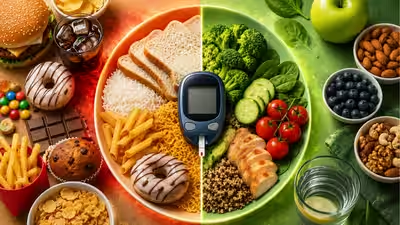
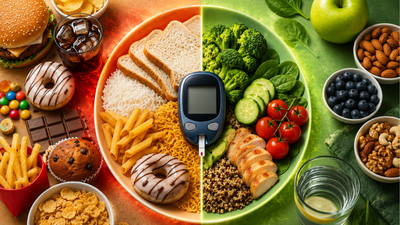
Blood sugar isn’t just about eating sweets
When most people think about high blood sugar, desserts are usually the first thing that comes to mind. Cakes, chocolates, candies, and sugary drinks often get the blame. But according to Dr. Santosh Kumar Agrawal, Director of Internal Medicine at Yatharth Super Speciality Hospital, Faridabad Sector 88, the picture is much bigger than that. Many everyday foods that don’t even taste particularly sweet can quietly push blood sugar levels higher over time.
These everyday foods can quietly spike blood sugar
Some foods carry a healthy image but aren’t always as blood sugar-friendly as they seem. The same goes for packaged fruit juices. Even when the label says “100% fruit juice,” the natural sugars are concentrated, and the fibre that normally slows sugar absorption has largely been removed.Flavoured yogurts are another example. Plain yogurt can be a healthy choice, but many flavoured versions contain surprising amounts of added sugar. Sweetened coffee drinks, energy drinks, and packaged smoothies can also contribute more sugar than people realise. And, foods such as white bread, white rice, potatoes, and many bakery products are rich in refined carbohydrates. They may not taste sweet, but once digested, they can raise blood sugar levels just as quickly as sugary foods in some people.
Healthy foods can become a problem when portions grow
Not every food that raises blood sugar is unhealthy. Some nutritious foods simply need to be eaten in moderation.Take dried fruits, for example. Raisins, dates, figs, and dried apricots are packed with vitamins, minerals, and fibre. But removing the water concentrates their natural sugars, making it easy to eat far more than you would if you were eating fresh fruit. A handful can quickly turn into several servings without you even noticing.Then there are products labelled “low-fat” or “diet.” When manufacturers remove fat, they often add sugar or refined starches to improve taste and texture. The result is a product that may still have a significant impact on blood sugar. Reading nutrition labels instead of relying only on marketing claims can make a big difference.
Cutting out carbohydrates isn’t the answer
When people discover their blood sugar is high, many immediately think they need to stop eating carbohydrates altogether. But that’s rarely the best approach.Carbohydrates are the body’s main source of energy. Dr. Agrawal explains that building balanced meals is far more effective than following restrictive diets that are difficult to maintain.
Small changes today can improve HbA1c tomorrow
- Replacing fruit juice with whole fruit
- choosing plain yogurt instead of flavoured varieties
- switching from white bread to whole-grain options
- limiting ultra-processed foods can all help reduce sugar intake
- Paying attention to portion sizes, especially for foods like rice, potatoes, and dried fruits, is just as important
The biggest myth may be that only sweets deserve attention. In reality, many foods that seem perfectly harmless can quietly affect blood sugar and HbA1c. Understanding where hidden sugars and refined carbohydrates come from allows people to make informed choices—without giving up the foods they enjoy altogether.Medical experts consulted This article includes expert inputs shared with TOI Health by: Dr. Santosh Kumar Agrawal, Director of Internal Medicine at Yatharth Super Speciality Hospital, Faridabad Sector 88rInputs were used to discuss how diet can improve HbA1c level.