



NEET protests, CBI probe, political pressure: Key events that led to Dharmendra Pradhan’s resignation | India News
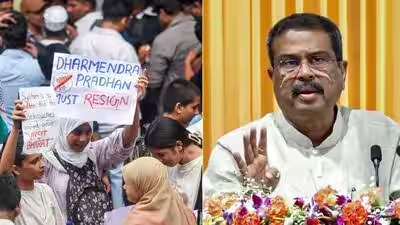
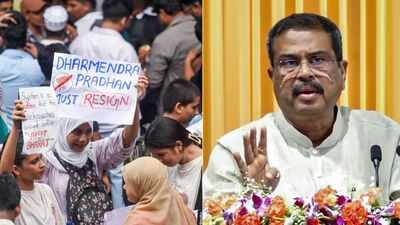
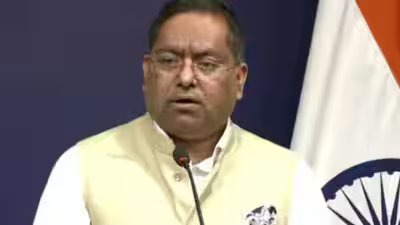
NEW DELHI: Dharmendra Pradhan resigned on Saturday as Union education minister, taking moral responsibility for the NEET-UG paper leak controversy that has shaken the country’s examination system, sparked mass student protests and triggered political confrontations.In his resignation letter to Prime Minister Narendra Modi, Pradhan said he had dedicated more than four decades to students, teachers and education reform. He said the government had acted immediately after irregularities surfaced in the NEET-UG examination held on May 3, including cancelling the test, ordering a CBI probe and deciding to hold a fresh examination. He also said the test would be conducted in computer-based mode from next year.
CJP Jantar Mantar Protest Updates
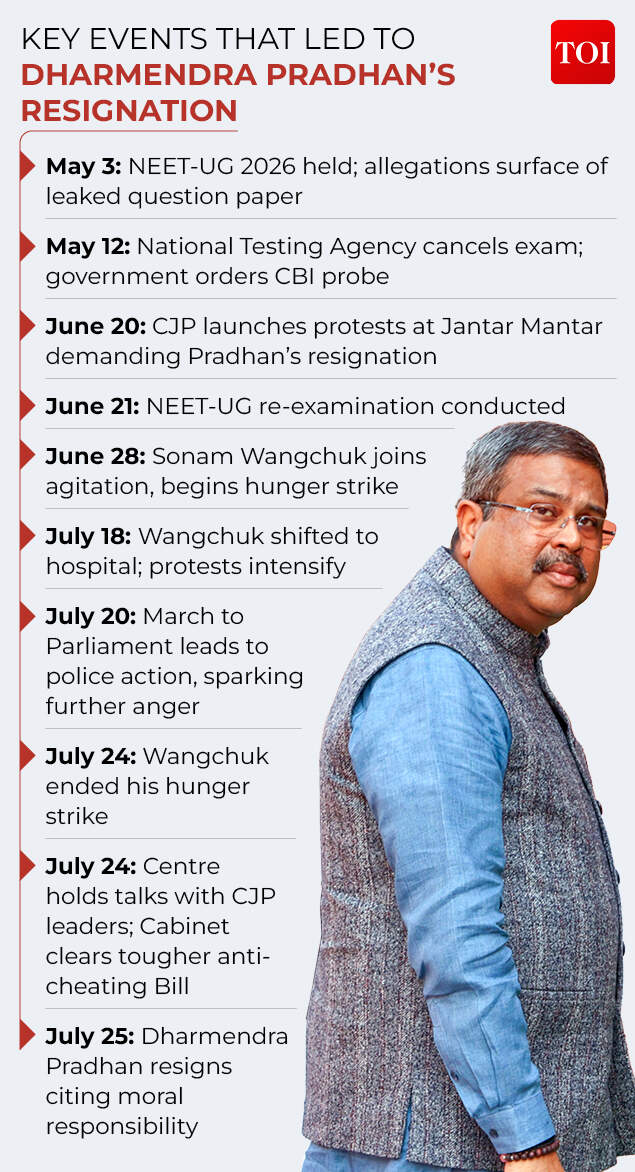
Pradhan said that he had tried from the first day to ensure that no meritorious student suffered because of what he described as an examination mafia. He said the unrest at Jantar Mantar and across the country had saddened him and that he was resigning to prevent anti-national forces from exploiting the situation and to protect the unity of the country.Also Read | Dharmendra Pradhan resigns as Union education minister amid massive student protestsThe Odisha-born BJP leader had served as education minister since 2021 and was reappointed after the BJP’s victory in the 2024 Lok Sabha election.Cockroach Janta Party chief spokesperson Saurav Das said the party had been called for third round of talks and would stay until a written commitment was made. He described the expected outcome as a ‘huge victory’.Click here to follow live blog updates Here are the key events that led to the resignation of Dharmendra Pradhan:
Leak sparks outrage
The crisis began after allegations of a paper leak in the NEET-UG 2026 examination, which was held on May 3. Investigators later said a question set described as a ‘guess paper’ had circulated among students weeks before the test and that many questions closely matched the actual paper.The National Testing Agency cancelled the exam on May 12 and the government referred the case to the Central Bureau of Investigation for a full probe. The exam, which is used for admission to undergraduate medical and dental courses, had been taken by nearly 22.79 lakh students. The cancellation marked the first full scrapping of NEET in its 13-year history.Also Read | Watch: CJP’s Abhijeet Dipke falls on stage after being told Dharmendra Pradhan has resignedThe government later announced that the re-examination would be held on June 21 and that no fresh registration would be required. It also said fees already paid would be refunded and that the exam would be shifted to online mode from 2027.
CBI widens probe
The CBI widened its investigation rapidly, carrying out searches at dozens of locations across several states and tracing the alleged source of leaked Physics, Chemistry and Biology questions. The agency said it had identified a network of accused persons, coaching links and middlemen involved in circulating the questions.Among those arrested were a Latur-based doctor, Dr Manoj Shirure and a Pune-based physics faculty member, Tejas Harshadkumar Shah. Investigators said Dr Shirure helped three students access leaked Chemistry questions, while Shah allegedly passed on Physics questions obtained from another accused already in custody.
Earlier, the CBI had also arrested a Chemistry lecturer, PV Kulkarni, whom it described as a key figure in the leak. The agency said he had conducted special coaching sessions at his residence in Pune, where questions and answers were dictated and later matched the actual NEET paper.
Protest movement grows
The exam controversy soon became a major student movement. The Cockroach Janta Party (CJP), a satirical youth-led campaign, began protests at Jantar Mantar on June 20, demanding Pradhan’s resignation and accountability over paper leaks and other examination irregularities.The agitation gathered pace after climate activist Sonam Wangchuk joined the protest and began an indefinite hunger strike. His deteriorating health drew wide attention on social media and his later hospitalisation further fuelled public anger. He eventually ended his 26-day hunger strike after receiving written assurances from the government.The CJP said the movement would continue until Pradhan resigned. Its leaders also demanded compensation for the families of students who died by suicide, withdrawal of FIRs against peaceful protesters and a written guarantee that no such cases would be filed in future.
Centre shifts strategy
The Centre’s response changed over time. At first, several BJP leaders dismissed the protests, but the government later opened negotiations and announced a series of measures to calm the situation.PM Modi said paper leaks were not an ordinary matter and announced fast-track courts to ensure swift punishment for those involved. He also said the government had acted to make sure that nearly 22 lakh students did not lose an academic year.The Union Cabinet later approved amendments to anti-paper-leak law, proposing a maximum jail term of 10 years, a fine of up to Rs 10 crore and a higher minimum sentence. Parliamentary Affairs Minister Kiren Rijiju said the Bill would be brought to Parliament soon.At the same time, the National Testing Agency began a major internal overhaul, terminating 47 officials and recruiting new personnel in cybersecurity, digital forensics and test-centre operations. Officials said the changes were aimed at restoring confidence and tightening examination security.
Talks remain deadlocked
Even as the government expanded its response, its talks with the CJP remained unresolved. A second round of discussions between Union ministers JP Nadda and Jitendra Singh and CJP representatives ended without a breakthrough. The CJP said the Centre had sought time until Saturday afternoon to respond to its main demand for Pradhan’s resignation.The group said the other two major demandscompensation for bereaved families and withdrawal of cases against peaceful protesters had been accepted in principle. But it insisted that any further meeting must be held at a neutral venue, such as the Constitution Club of India, rather than a minister’s residence.Congress leader Rahul Gandhi renewed his attack on the government, accusing Pradhan of presiding over a collapse of the education system. He also joined opposition leaders in paying tribute to students who died by suicide over the controversy and accused the Centre of using force against peaceful demonstrators.
Opposition steps up pressure
As protests spread across the country, opposition parties intensified their demand for Dharmendra Pradhan’s resignation, accusing the Centre of failing to protect the integrity of competitive examinations. Parliament witnessed repeated disruptions as INDIA bloc MPs insisted that the education minister step down before any discussion on the NEET controversy could begin. Congress leader Rahul Gandhi emerged as one of the strongest critics of the government, calling Pradhan ‘a symbol of the collapse of our education system’ and saying, “He has to go.” He also said students were making three key demands: the education minister’s removal, action against those responsible for the alleged pellet gun use and lathi-charge on protesters, and an apology from Prime Minister Narendra Modi to the affected youth.The opposition also organised protests and candlelight marches in solidarity with students and families affected by the alleged paper leak and exam-related suicides. Rahul Gandhi later brought before the media a protester whom he claimed had suffered pellet gun injuries during the Jantar Mantar demonstration, alleging that the government had falsely denied using pellet guns against protesters. “His eye has suffered damage, and he has lost his vision,” Gandhi said, while accusing the Centre of attacking the future of the country’s youth instead of addressing their concerns.
Courts and Parliament
The Supreme Court agreed to hear petitions over alleged excessive police action against protesters. The court also clarified that reports saying it had refused to hear the matter were false.Parliament too was paralysed repeatedly as opposition MPs pressed for Pradhan’s resignation before any debate could begin. The government said it was ready for discussion without preconditions and accused the opposition of blocking parliamentary proceedings.Meanwhile, Delhi Police warned that those directly involved in violence during the protests could face passport cancellation. The warning came after clashes near Jantar Mantar left several police personnel and protesters injured.
What the resignation means
Pradhan’s resignation is the biggest political consequence so far of the NEET controversy. It follows weeks of criticism over repeated exam irregularities, the handling of protests and the government’s initial response, which opponents said was too slow and dismissive.The CBI probe into the alleged leak has widened across several states, with arrests made and searches carried out in multiple cities. The case has also prompted the government to push a tougher anti-paper leak law, while the National Testing Agency has begun a major overhaul of its staffing and security arrangements.