






Across America’s three coasts, 84% of wetlands are slowly submerging; only 16% are rising fast enough to keep pace with the sea
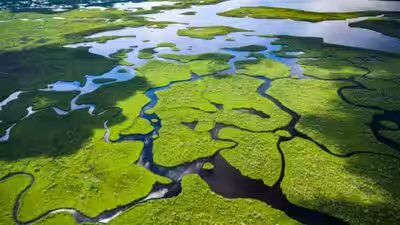
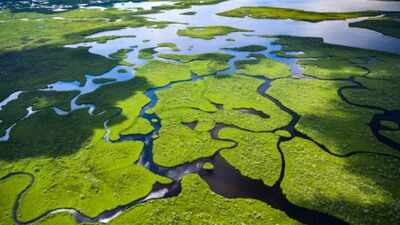
Fueled by climate change, sea levels have been rising faster than at any time in recent geologic history. This has led to an unusual race along three coasts of the contiguous US where coastal wetlands have been fighting for a slim chance of persisting. They are either lifting on newly accumulated sediments or moving inland as encroaching tides follow them at their heels.Now, the first national-level study of this competition has revealed that coastal wetlands which are among the country’s most valuable ecosystems are losing ground with 84% of them gradually inundating, and many on track to transform into open water. Wetlands along the Gulf Coast are generally faring the worst, while certain stretches of the Atlantic Coast appear more resilient. Some wetlands may be able to migrate inland or build up sediment fast enough to keep pace with sea level rise, perhaps with the right help from land managers.“Our study provides wetland managers with new information to help them make better-informed decisions and identify meaningful solutions to issues they may be encountering, including facilitating wetland migration upslope,” said Glenn Guntenspergen, a coastal wetland ecologist with the U.S. Geological Survey and senior author on the study published in Earth’s Future.
Water, water everywhere
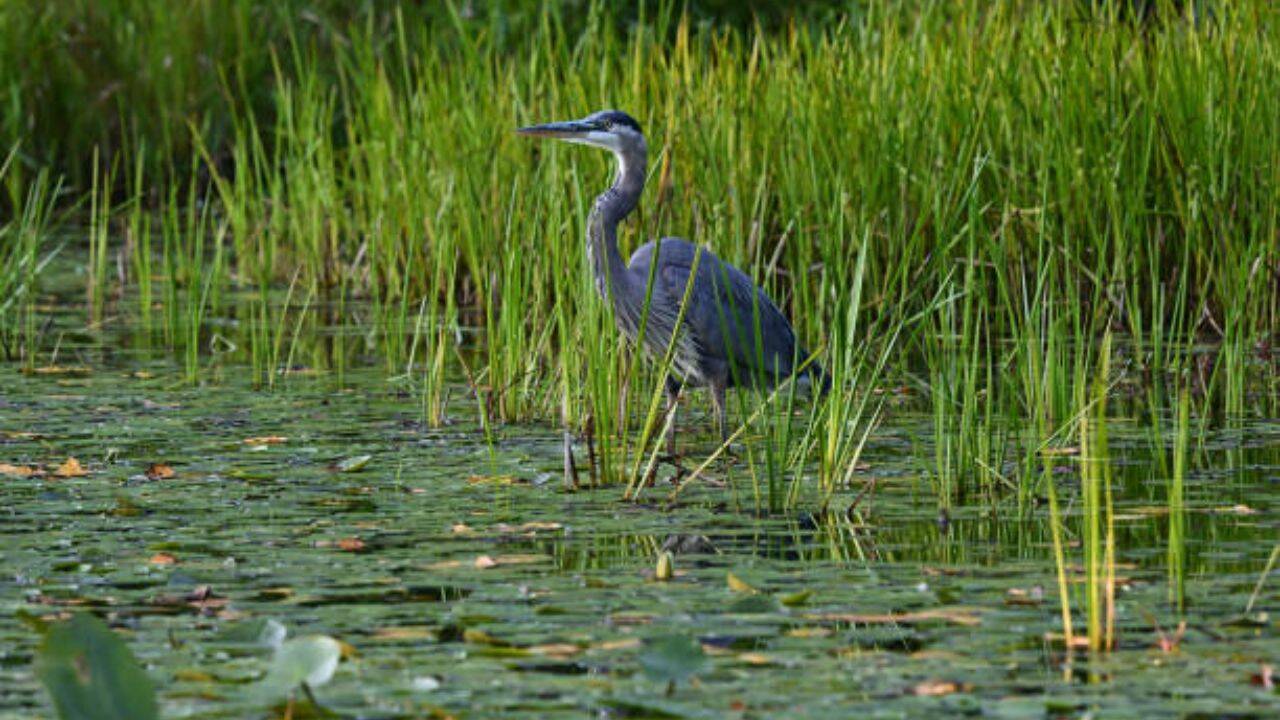
Many endangered and endemic species and migratory birds in US depend on wetland ecosystems for habitat.
Globally, sea level rise averaged 1.7 millimetres per year during the 20th century but has sped up in recent decades, hitting 3.8 millimetres per year from 2006 to 2018. Up to a point, higher water levels can stimulate the growth of wetland plants, a phenomenon that has helped numerous wetlands persist until now. But even the most water-loving plants can only take so much. “All coastal plants have optimal ranges,” Guntenspergen explained. “But if they get flooded too much, then the system shuts down. The plants decrease production and eventually die.”Wetlands are extremely vital ecosystems that help protect infrastructure and provide homes for wildlife. Justine Neville, a wetland ecologist at Duke University and lead author on the study, noted that many endangered and endemic species and migratory birds in US depend on these ecosystems for habitat. Wetlands dissipate the impact of storm surges, protecting buildings and transportation networks in coastal towns and cities. People visit them to go bird-watching or, in some places, hunting. Essentially, the coastal wetlands in US provide trillions of dollars’ worth of services every year. “There’s a whole host of benefits to culture, to flora and fauna, and economically speaking, so it is really important that we understand how [wetlands] are changing,” she said.
A vital study
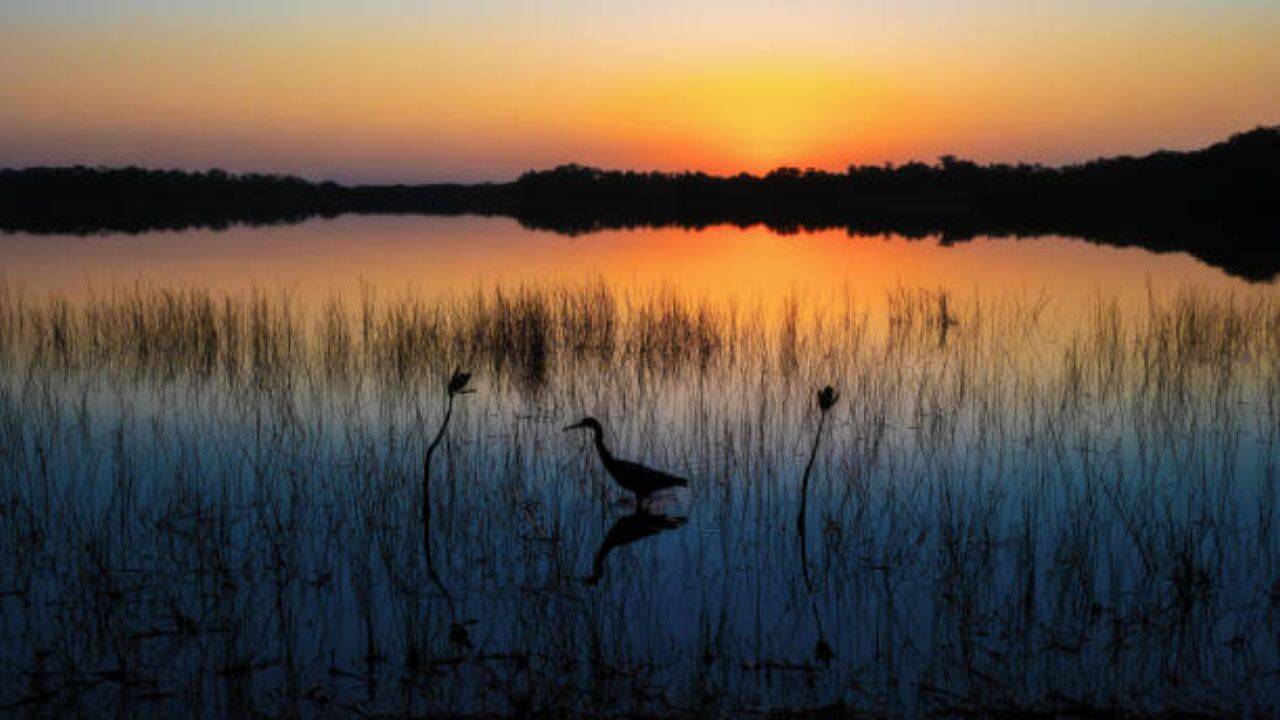
The team found that 89% of coastal wetlands are gaining elevation through sediment buildup, but only 16% are doing so fast enough to outpace sea level rise, while the rest are submerging.
To understand what they are dealing with, the team drew on existing data from nearly 450 monitoring stations across the contiguous US coasts tracking wetlands’ elevations for up to 20 years. Comparing these data with tide-gauge data allowed them to see which wetlands were, and weren’t, gaining elevation fast enough to stay above water.The team found that 89% of coastal wetlands are gaining elevation through sediment buildup, but only 16% are doing so fast enough to outpace sea level rise, while the rest are submerging. “I was not very surprised, to be honest,” Neville said. “A lot of the literature that we’ve read from all the different regions is showing similar results.”However, regional differences still emerged. Overall, the Atlantic Coast appeared least vulnerable: Submergence is slow enough at about 75% of Atlantic monitoring stations to rule out any critical threat of submergence, partly thanks to higher rates of marine sediment deposition from ocean waves. In contrast, submergence is fastest on the Gulf Coast, where wetlands sink under the weight of numerous human pressures in addition to sea level rise. Neville cited the historical impact of shipping canals altering the Gulf’s waterways, which has lessened the flow of river sediments that sustain wetlands, and of oil and gas extraction, which reduces pressure underground enough that wetlands above literally subside.According to Neville, many of these wetlands have the opportunity to migrate. Some 73% of wetlands in the study still have a chance to expand inland rather than drown in place, provided the land slope isn’t too steep and no human structures block the way. Gulf wetlands may have the most available space, while hills and cliffs often hem in their Pacific counterparts.Such an in-depth analysis can help reveal where land management solutions, including removing dikes, artificially adding sediment to wetlands and protecting inland areas for wetlands to migrate to, will have the most impact. “It’s not all doom and gloom,” Neville said. “Yes, there is an urgency to understand what’s happening with our wetlands, but one thing this paper can demonstrate is where we might want to focus our conservation efforts.“