






Meet Kaia Minn, the 13-year-old Massachusetts inventor who turned discarded orange peels into biodegradable seed pods for reforestation |

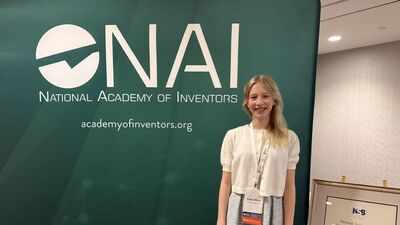
A discarded citrus peel is not the sort of thing most people would associate with restoring forests. But for 13-year-old Massachusetts inventor ‘Kaia Minn,’ it became the starting point for a simple idea with potentially far-reaching environmental uses. Minn has developed a ‘biodegradable seed pod’ using discarded citrus peels and other plant-based materials, designed to protect seeds during their most vulnerable stages and then break down naturally in the environment. Her invention was inspired by the challenge of helping forests recover after wildfires and other forms of environmental damage. According to a report by Patch, Minn began thinking about the problem after watching news coverage of major wildfires in California and Canada. What followed were kitchen experiments, prototype development and testing, eventually leading to a seed-carrying technology that could support reforestation, agriculture and wider ecosystem restoration efforts.
How Kaia Minn’s biodegradable citrus-peel seed pods support reforestation
Reforestation may appear straightforward like plant seeds and wait for trees to grow. In reality, the period between planting a seed and seeing a young plant emerge can be difficult. Seeds can be damaged during handling, develop mold or simply fail to germinate. Minn’s invention is designed to address some of these early challenges. According to her own website, the patent-pending biodegradable seed carrier repurposes citrus peel waste into a low-cost, compostable alternative to plastic and synthetic polymer seed coatings. The material is intended to protect seeds while eventually breaking down rather than remaining in the environment.According to Patch, the idea was originally inspired by forest restoration. Minn wondered whether a better way could be found to support reforestation after watching devastating wildfires. Her solution began with a material that is often simply thrown away. Although the original concept focused on forest recovery, the technology could have broader uses. Her website says the seed pods may also be useful in farming, home gardening and community greening projects.
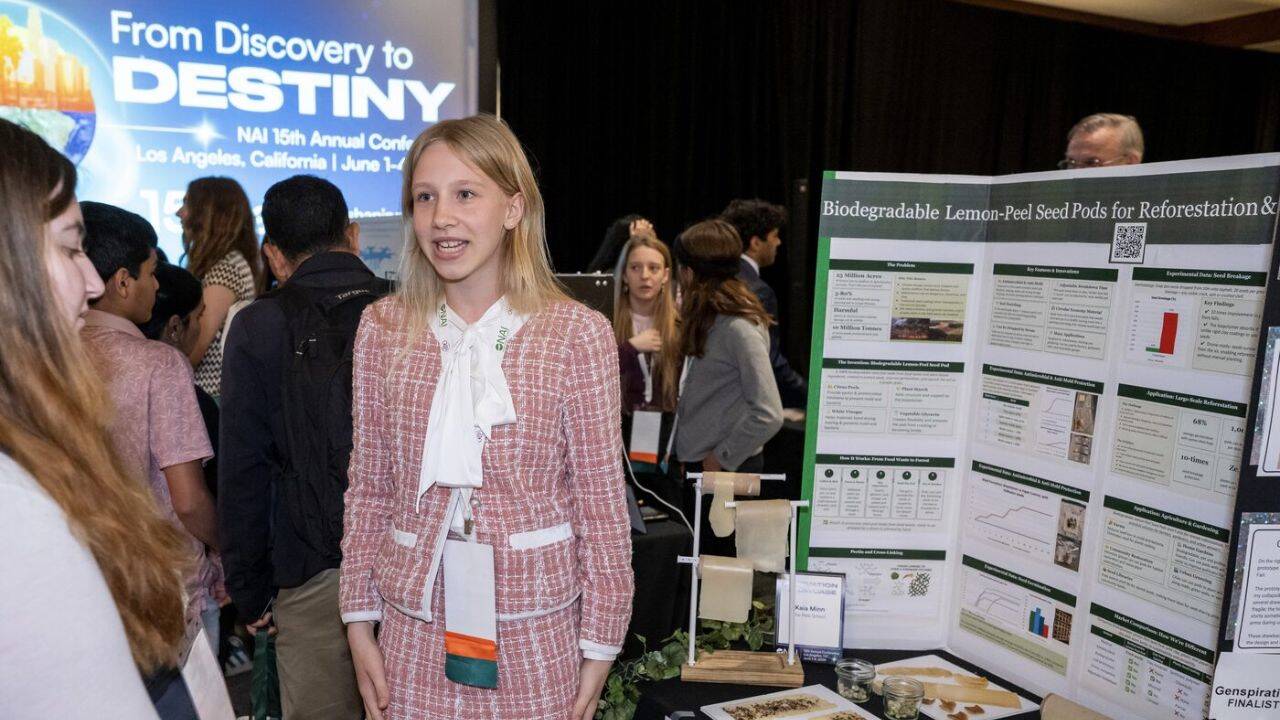
Kaia Minn presenting her Biodegradable Lemon-Peel Seed Pod research poster. Image Credit: kaiaminn.com
A food-waste problem became an environmental solution
The invention reflects a relatively simple idea that waste materials may sometimes have a useful second life. Minn selected citrus peel because it is biodegradable and contains natural compounds that can help suppress mold growth. Instead of using materials designed to remain around seeds permanently, the pod is intended to perform its protective role and then naturally decompose. According to Patch, Minn’s early experiments suggested that pods could improve seed survival by supporting early germination, reducing mold growth and protecting seeds from physical damage during handling and transport.That combination is important to the idea behind the invention. A seed needs more than soil and water to become a plant. It must also survive the earliest stages of its journey. As Minn explained, simply putting a seed in the ground does not guarantee that it will grow. According to Minn’s website, the technology was tested for germination, mold resistance and the durability of the pod structure. The project therefore combines two environmental challenges in one concept, ‘making better use of food waste’ while attempting to ‘improve the survival chances of newly planted seeds.’
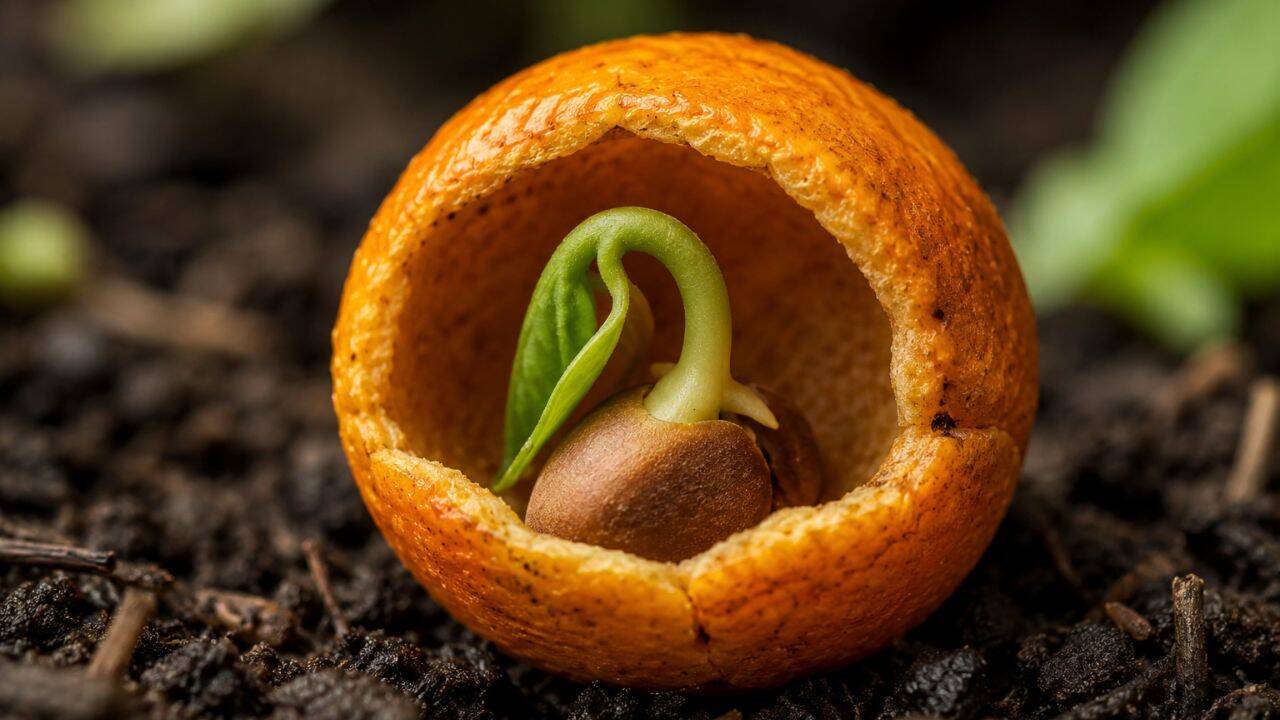
Image Credit: AI Generated
Are these citrus-peel pods easier to plant in damaged forests
Minn’s invention is also being considered for situations where planting seeds by conventional methods may be difficult. According to Patch, the biodegradable pods are designed to be dispersed by hand or with drones. This could make them potentially useful in large or hard-to-reach areas affected by wildfires and other environmental disasters. The possibility of using drones is particularly relevant to damaged landscapes where reaching every location on foot may be challenging. Instead of changing the seed itself, the idea is to provide it with a temporary layer of protection that can travel with it into the environment. Minn’s website notes that the project has expanded beyond its original reforestation focus. The same problems of poor germination and mold can affect seeds used in agriculture and gardening, creating the possibility of wider applications.However, the invention is still being developed. Patch reported that Minn’s next goal is to test the pods outside a lab setting, ideally by working with a reforestation organisation to see how they perform in real environmental conditions. That step could be crucial. Lab testing can show how a concept works under controlled circumstances, but outdoor conditions can be far more unpredictable.
From a discarded peel to the forests of the future
Minn’s work has already attracted attention from the scientific and inventor communities. Patch reported that she was selected as a ‘Genspiration Prize finalist’ and invited to present her work at the National Academy of Inventors’ annual conference in Los Angeles. Her website also lists her as a Massachusetts State Merit Winner in the ‘3M Young Scientist Challenge’ and a finalist in the ‘US National Innovator Challenge.‘A small, biodegradable object could potentially give seeds a better chance of surviving long enough to become plants and trees. Her work also demonstrates how environmental ideas can sometimes begin with materials that people barely notice. In this case, a citrus peel that might otherwise have ended up in the bin became the basis for a technology aimed at supporting damaged ecosystems. Minn hopes that her invention can eventually contribute to reforestation and improve the chances that planted seeds survive long enough to become part of the forests of the future. Her website shows that she is continuing to refine the technology, test additional species and explore new applications. The next stages may determine just how far her invention can travel, from a discarded peel to a newly planted seed and perhaps one day, to a growing forest.