






Owners face penalties as govt moves to curb stray cattle on highways, e-ways | India News
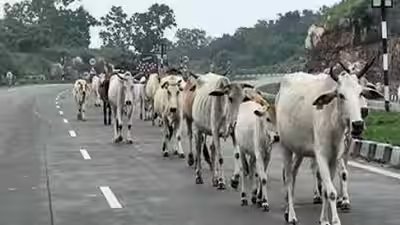
NEW DELHI: Owners who abandon cattle on highways and expressways could face fines and penalties, with the road transport ministry issuing a standard operating procedure (SOP) to curb the menace of stray cattle and other animals causing road crashes. States and local authorities will initiate “owner-tracing” and take steps to recover applicable fees, fines and penalties from owners.The SOP follows a Supreme Court direction to NHAI to devise a structured mechanism for the safe removal of stray animals from national highways and expressways.The “SOP for Safe Removal of Stray Cattle and Other Animals from NHs/Expressways”, issued this week to highway agencies and state govts, designates NHAI, NHIDCL and state PWDs as nodal agencies for removing stray animals from NHs and expressways. They will arrange their safe transportation to shelters, cattle pounds or gaushalas identified by state govts.The highway agencies will identify and mark stretches where stray cattle and other animals are frequently spotted. They will also arrange and bear the cost of transporting the animals to shelters identified and maintained by state and local authorities.States and local authorities will “maintain cattle-pound records and initiate owner-tracing and action for recovery of applicable fees, fines and penalties under the relevant cattle-trespass legislation”, as per the SOP. State govts are empowered to initiate action under the The Cattle-Trespass Act of 1871 .State govts can invoke provisions of The Cattle-Trespass Act, 1871 against owners. Section 25 provides for recovery of fines imposed for damage caused by cattle trespassing through the sale of the animals involved. This applies whether the cattle were caught while trespassing or later, and whether they belonged to the offender or were merely in their charge when the offence occurred.
Share your thoughts in the comments
Be respectful · TOI community guidelines
Though there is no separate official data on crashes and fatalities caused specifically by stray cattle and other animals. However, in 2024, 19,082 crashes and 8,917 deaths were recorded under the “run off the road” category. The road transport ministry has said such crashes could result from excessive or inappropriate speed, driver distraction, misjudging a curve or attempts to avoid a collision with another road user or an animal.