





Don’t throw away aquarium water! It may help plants grow without fertiliser |

Many people pour old aquarium water straight down the drain without thinking twice. It looks cloudy, smells faintly earthy, and feels used up. But to gardeners, that same water is often treated like a small gift. Aquarium water carries traces of life that plants understand well. Not in a dramatic way, and not as a miracle cure, but as something quietly useful. It comes from a closed system where fish, plants, bacteria, and food interact every day. When that water is removed during a routine tank change, it still holds nutrients and minerals that soil plants recognise. For gardeners who already keep fish, reusing aquarium water is less about clever hacks and more about noticing what is already there and letting it go somewhere else instead of disappearing.
Aquarium water isn’t waste, it’s a hidden nutrient boost for plants
According to a study published on MDPI, aquarium water builds up nutrients over time. Fish waste, uneaten food, and plant debris break down into forms plants can use. Nitrogen is the most important of these. In tanks, ammonia from fish waste is converted by bacteria into nitrites and then nitrates. Ammonia and nitrite are dangerous for fish, which is why water changes matter, but nitrate is much safer and happens to be a nutrient plants rely on for leafy growth. When aquarium water is poured onto garden soil, the nitrogen enters a different cycle. Soil microbes and plant roots take it up slowly. It is diluted, spread out, and rarely strong enough to burn plants when used sensibly.
Nutrients dissolved in aquarium water
Beyond nitrogen, aquarium water often contains small amounts of phosphorus and potassium, both essential plant nutrients. These come mainly from fish food and organic matter breaking down. Trace elements such as iron may also be present, especially in planted tanks. Water hardness plays a role, too. Calcium and magnesium dissolved in the water can benefit soil structure and plant health, particularly in pots or raised beds where minerals wash out over time. The water’s pH is usually stable due to carbonate buffering, which means it is unlikely to shock garden soil when used occasionally. It is not fertiliser in a measured sense, but it is not plain water either.
Aquarium water is safe for plants
Most garden plants respond well to aquarium water, especially leafy vegetables, houseplants, herbs, and ornamental plants. It is best used on soil rather than sprayed on leaves. The water can contain microorganisms, and while these are usually harmless, keeping moisture on leaves is rarely helpful. Avoid using aquarium water on plants that prefer very dry or low-nutrient soil. Succulents and cacti may not appreciate the extra nutrients. Saltwater aquarium water should not be used at all, as salinity can damage soil and roots. Freshwater tanks without added chemicals are the safest choice. If medication was recently used in the aquarium, it is better to discard that water.
Organic matter helps garden soil
Aquarium water often contains fine suspended solids. Tiny particles of organic matter cloud the water slightly. In the aquarium, too much of this is a problem. In soil, it becomes food. Microorganisms break it down, improving soil life and structure. This can help sandy soils retain moisture and support beneficial bacteria. The oxygen demand of this organic matter is not an issue once diluted in open soil. What matters is that it adds something living and active, rather than sterile. Over time, this can gently improve soil health, especially in pots where soil biology tends to be limited.
How should aquarium water be used in the garden
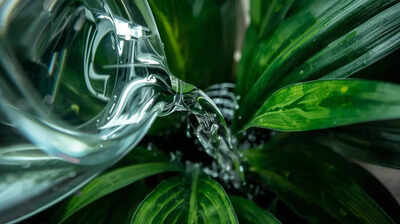
The simplest approach is the best one. Use aquarium water during regular watering, pouring it directly onto the soil at the base of plants. There is no need to store it for long periods. Freshly removed water is fine. Use it occasionally, not every time you water. Think of it as a supplement rather than a routine. Plants respond slowly, not instantly. There will be no dramatic change overnight. Leaves may look a little fuller over time. Soil may hold together slightly better. The benefit is quiet and cumulative. For many gardeners, the appeal lies as much in wasting less as in growing more.