





Is the ‘vacuum belly’ workout safe? Taiwan singer’s viral performance triggers health concerns online |
When Taiwanese singer Ella Chen Jiahua pulled in her abdomen during a live concert in Xi’an, the crowd cheered. The move looked controlled, almost theatrical. But the internet reacted very differently.The “vacuum belly” exercise, once a niche fitness trick, suddenly became a talking point across social media. While some praised her discipline, others felt uneasy watching her ribs visibly protrude. Doctors soon stepped in with caution.So what exactly is this exercise, and is it really safe for everyone?
What exactly is the “vacuum belly” exercise?
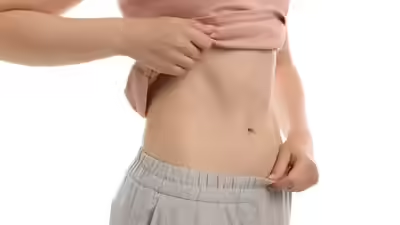
As first highlighted in a report by the South China Morning Post, the vacuum belly, often called the “stomach vacuum,” is a breathing-based core exercise. It involves fully exhaling, pulling the abdomen inward toward the spine, and holding the position.This technique activates the transverse abdominis, a deep core muscle that acts like a natural corset. Fitness experts have used it for decades, especially in bodybuilding and yoga.On paper, it sounds simple. But in practice, it demands strong breath control and muscle awareness.
The viral performance: why it sparked concern
Ella Chen’s demonstration lasted around 10 seconds, with her abdomen drawn tightly inward. The visual impact was intense. Her ribs became sharply visible, and the body looked almost hollowed out.For many viewers, this crossed from fitness into discomfort. Comments ranged from admiration to alarm.The concern was not just about aesthetics. It was about what such a move might encourage. When a celebrity performs something on stage, it often becomes a trend overnight.And that is where the problem begins.
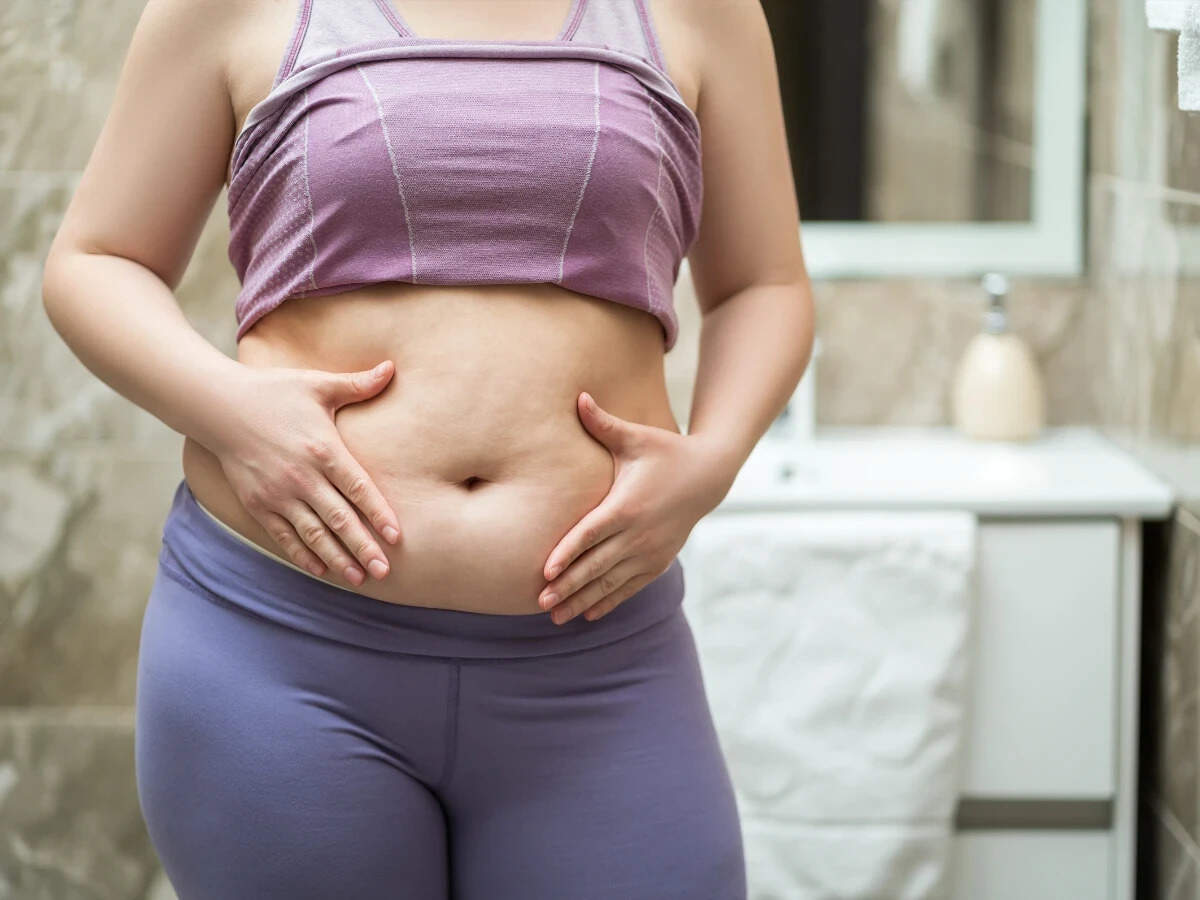
Representative Image
What doctors are warning about
Medical experts have cautioned against blindly copying the vacuum belly trend. The risks are not always obvious at first glance.Holding the breath while contracting the abdomen can affect oxygen flow. Some doctors warn it may trigger dizziness or headaches, especially in beginners.There are also deeper concerns. Excessive or incorrect practice may increase intra-abdominal pressure. In some cases, this could contribute to issues like hernia or strain on the pelvic floor.
Who should avoid it completely?
This is not a one-size-fits-all exercise. Certain groups should stay away or proceed only under supervision.Women who have recently given birth are at higher risk. Their abdominal and pelvic floor muscles are still recovering.People with lower back issues, especially lumbar spine problems, may also find this exercise harmful. It can increase pressure in areas that are already vulnerable.Those with high blood pressure or respiratory conditions should also be cautious. Breath-holding is not harmless for everyone.
Does it actually help with belly fat?
This is where reality often clashes with social media claims.The vacuum belly does not burn fat directly. It strengthens a deep muscle layer, which may improve posture and give a flatter appearance over time.But visible fat loss still depends on overall lifestyle. Diet, movement, sleep, and consistency matter far more.
The bigger conversation: fitness vs appearance
The reaction to this viral moment reveals something deeper. It shows how easily fitness trends can blur into unrealistic beauty standards.A flat stomach has long been idealised. But equating thinness with health can be misleading. Strength, energy levels, and mental well-being are far better indicators of fitness.This incident has sparked an important reminder. Just because something looks impressive does not mean it is safe or necessary.