





Not Shahid Afridi or Shoaib Akhtar: The Last Pakistan Star to Play an IPL Final | Throwback | Cricket News
NEW DELHI: In the humid, electric air of the DY Patil Stadium on June 1, 2008, a tall, lanky left-armer with an action that looked like a tangle of limbs stood at the non-striker’s end. The scoreboard read 163 for 7. One ball remained. The Rajasthan Royals needed one run to win the inaugural Indian Premier League.As Sohail Tanvir scurried across the pitch to complete that final, historic run, he wasn’t just sealing a victory for Shane Warne’s “underdogs”; he was unknowingly bringing the curtain down on an era.
He was the last player from Pakistan to effectively “finish” an IPL game. Since that night, the border has grown taller, the cricket grounds quieter, and the presence of Pakistani talent in the world’s richest league has shifted from a vibrant reality to a ghost of “what if.”
What did happen after the IPL 2008 final?
The 2008 IPL season was a carnival of cross-border camaraderie. Shahid Afridi was the icon for Deccan Chargers, Shoaib Akhtar was steaming in for the Kolkata Knight Riders, and Misbah-ul-Haq was the middle-order backbone for Bangalore.But it was Sohail Tanvir who became the face of Pakistani success in India. Sporting the first-ever Purple Cap, Tanvir had dismantled lineups with his “wrong-footed” delivery, finishing the season with 22 wickets, including a staggering 6/14 against Chennai Super Kings.
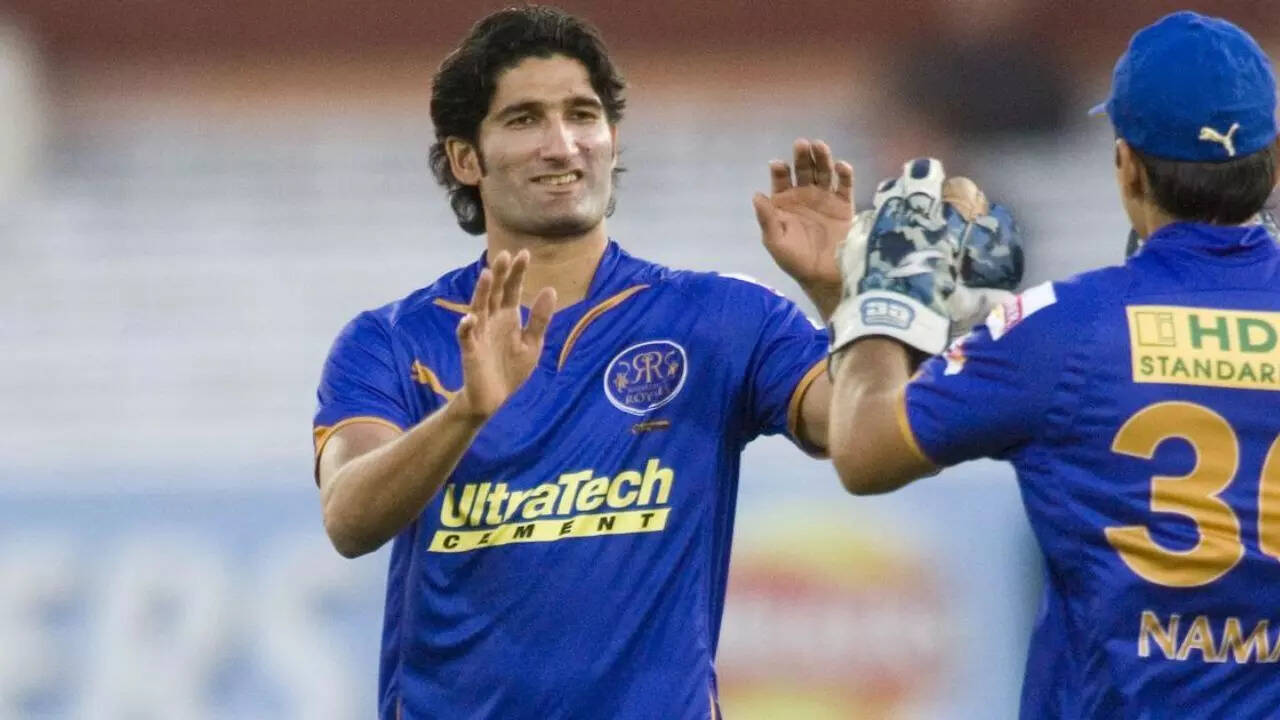
Sohail Tanvir (IPL Photo)
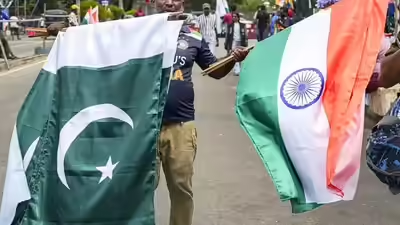
When the 2008 final concluded, there was every expectation that the 2009 season would see even more stars from Lahore and Karachi under the IPL lights. However, the geopolitical landscape shifted violently on November 26, 2008. The Mumbai terror attacks changed everything. In the immediate aftermath, the Indian government suspended bilateral ties, and the BCCI, citing “security concerns”, decided not to include Pakistani players in the 2009 auction.What was initially thought to be a one-year cooling-off period became a permanent lockout. The “No-Objection Certificates” (NOCs) from the Pakistan Cricket Board became harder to obtain, and the appetite of IPL franchises to bid for players who might be denied visas vanished.
The case of Azhar Mahmood
While Tanvir was the last player to play in that original 2008 cohort, the “last Pakistani” to actually feature in the IPL is a technicality that belongs to Azhar Mahmood.Mahmood, a former Pakistan international, managed to play for Kings XI Punjab (2012–2013) and Kolkata Knight Riders (2015). However, he didn’t do so as a Pakistani. Having moved to the UK and secured a British passport, he entered the auction as an English player.
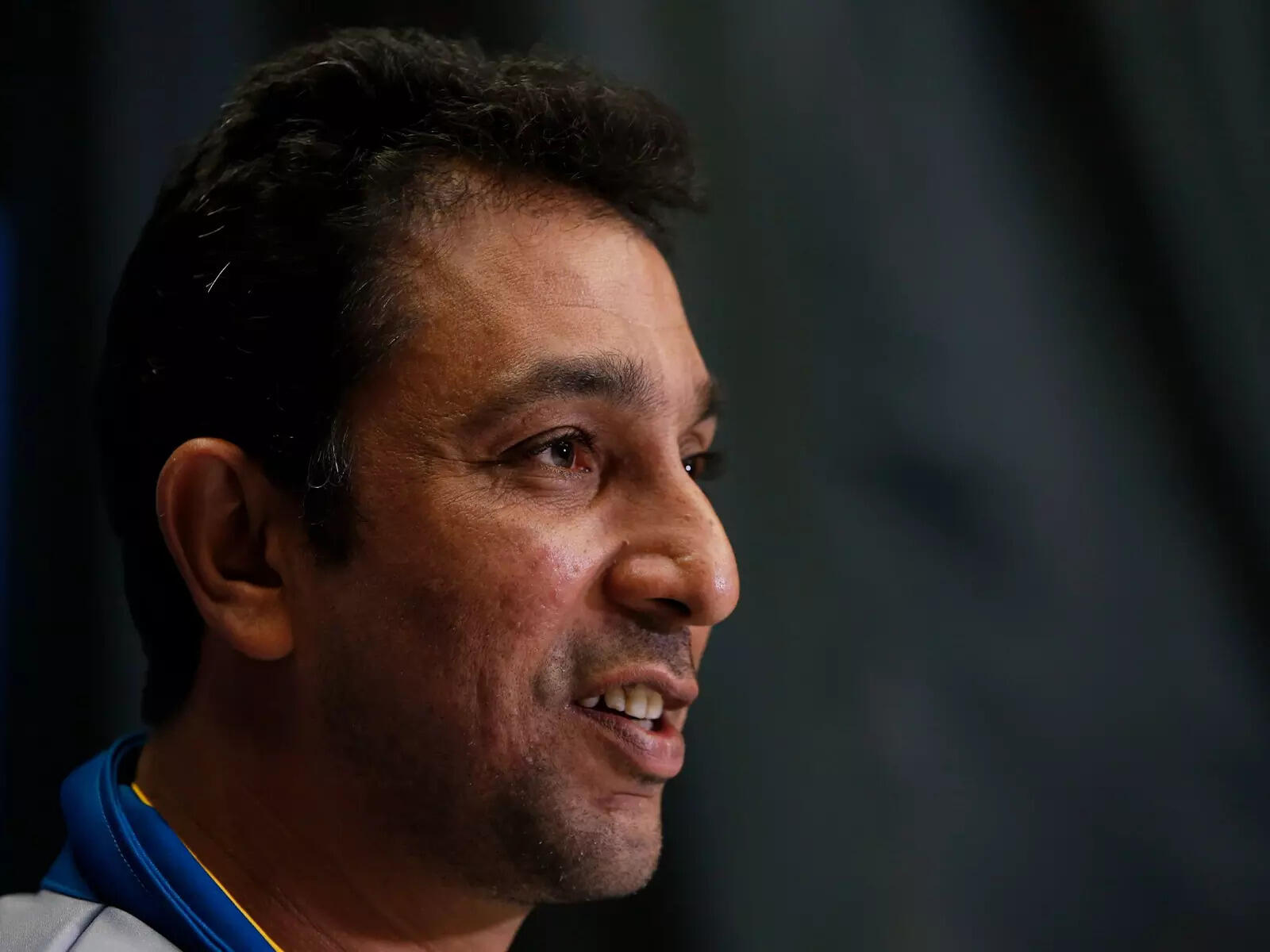
Azhar Mahmood (ANI Photo)
His presence was a bittersweet reminder of what was missing. While he performed admirably, the league lacked the raw pace of a Wahab Riaz or the modern-day brilliance of a Babar Azam. Mahmood’s stint was a legal workaround, but the political ban on players representing the Pakistan national team remained absolute.
Why it happened
The exclusion isn’t found in any official “rulebook” of the IPL. There is no written clause that says “No Pakistanis Allowed.” Instead, it is a combination of two powerful forces:For a franchise to invest millions in a player, they need a guarantee that the player can actually enter the country. Given the volatility of India-Pakistan relations, the risk of a player being denied a visa at the eleventh hour is too high for team owners.
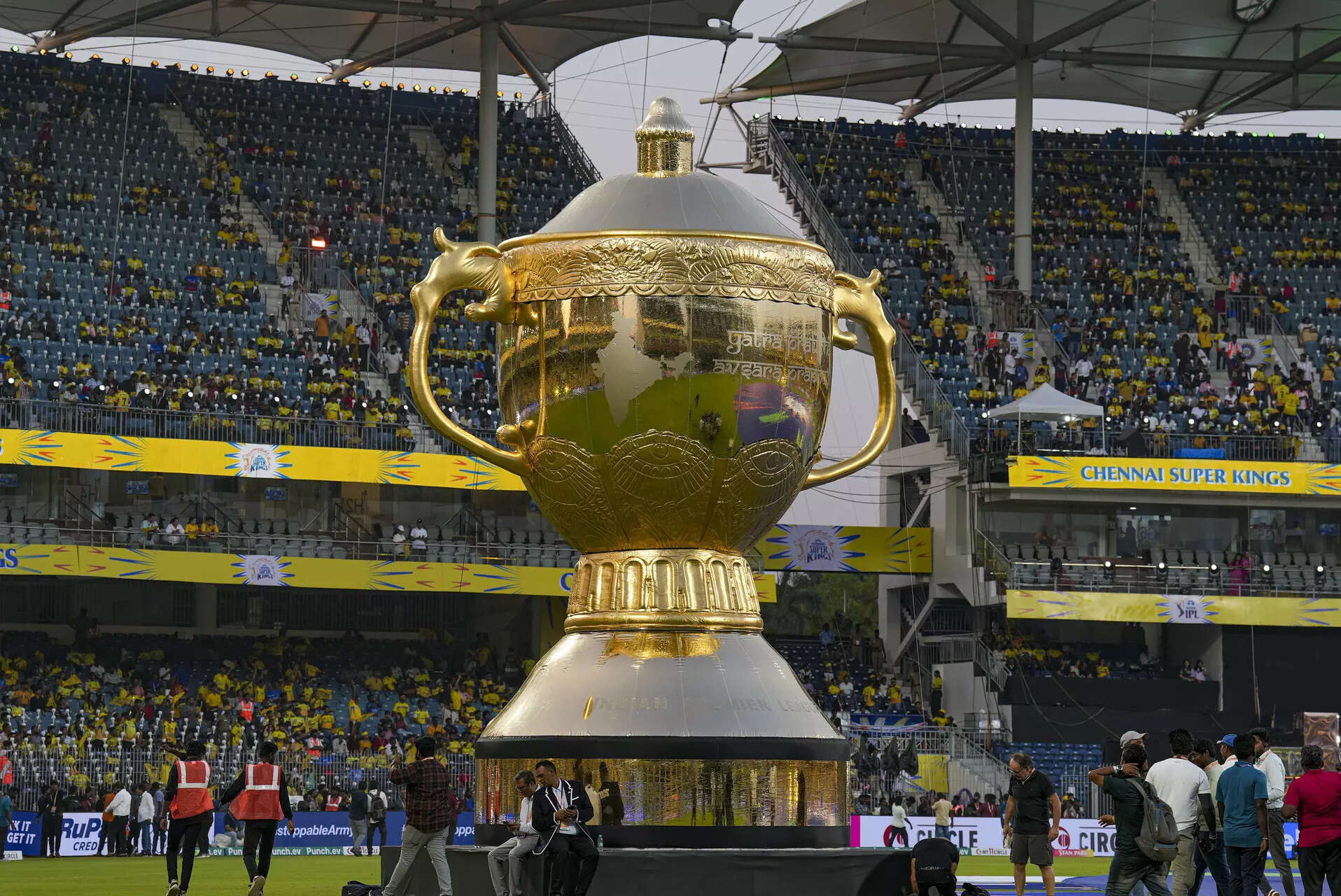
The trophy of Indian Premier League (IPL) (PTI Photo/R Senthilkumar)
Public Sentiment and Commercial Risk Franchises are brands. In an era of heightened nationalism, owners have often been wary of the “backlash” that could come with signing a Pakistani player, fearing it could alienate local fanbases or lead to protests at stadiums.In 2010, there was a brief moment of hope when several Pakistani stars were included in the auction pool. However, in a move that became a major controversy, not a single franchise placed a bid for any of them. The “silent snub” effectively signalled that the IPL had moved on.
The 2026 “Shadow Ban” and global expansion
As we stand in March 2026, the situation has become even more complex. The IPL is no longer just a two-month tournament in India; it is a global ecosystem. IPL owners now own teams in South Africa (SA20), the UAE (ILT20), the USA (MLC), and the Caribbean (CPL).This expansion has led to what players like Azhar Mahmood have recently called a “Global Shadow Ban”. However, recently, The Hundred 2026 auction in England saw a massive debate as Indian-owned franchises like Sunrisers Leeds (owned by the Sunrisers Hyderabad group) finally broke the trend by picking Abrar Ahmed.
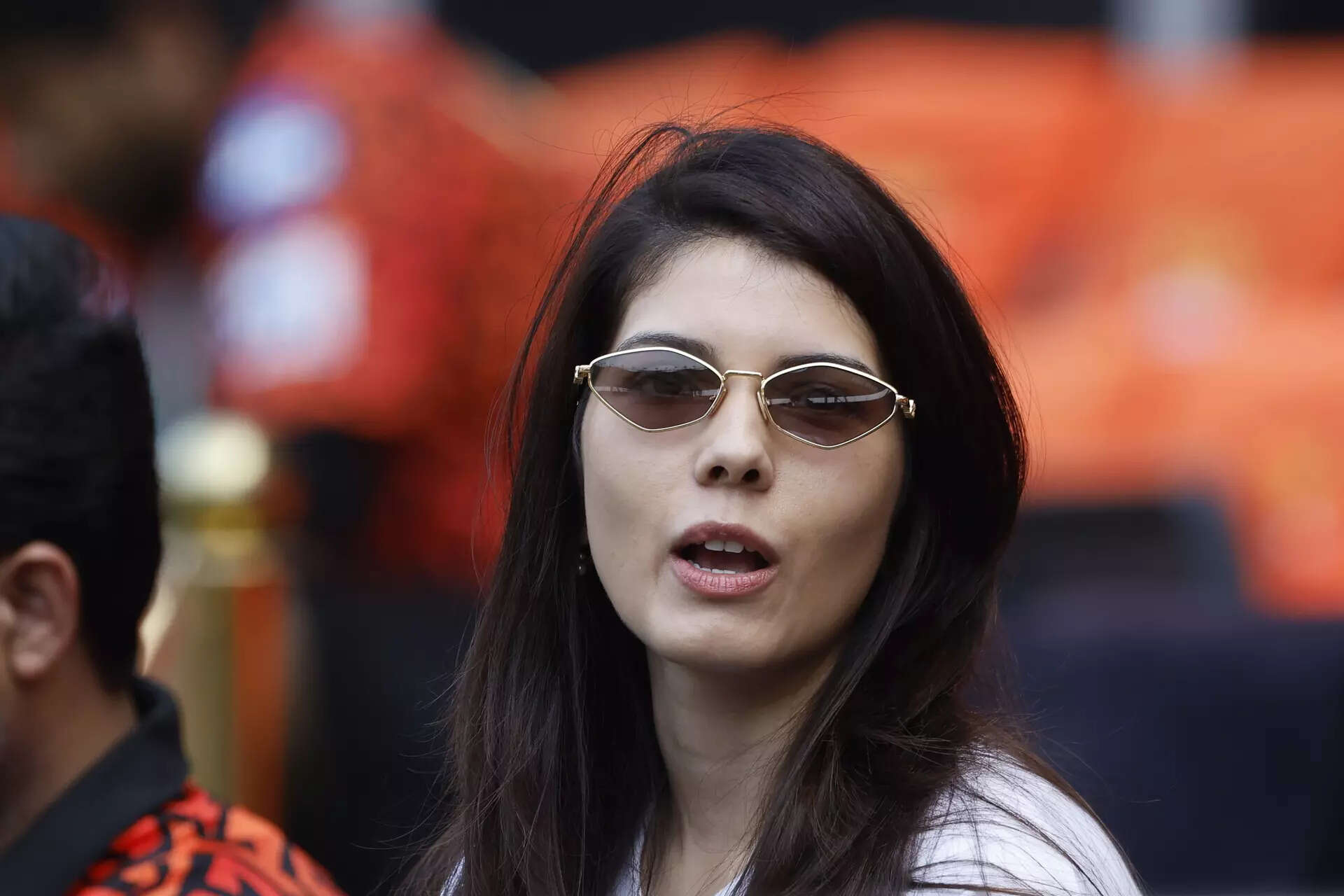
Kavya Maran, co-owner and head of Sunrisers Leeds (Photo by Pankaj Nangia/Getty Images)
However, the backlash was immediate. On social media, fans criticised the franchise owners for “funding” talent from across the border, even in a foreign league. This highlights the current status: Sohail Tanvir is now a retired veteran, coaching and commentating. His Purple Cap sits as a relic of a brief, beautiful window where sport briefly transcended the map.The last ball of the 2008 IPL didn’t just win a trophy; it ended a chapter of history. Until the political climate undergoes a seismic shift, the Pakistani presence in the IPL will remain confined to YouTube highlights of Shoaib Akhtar’s roar at Eden Gardens and Sohail Tanvir’s winning run in Navi Mumbai.