






THIS blood type may carry a higher risk of stomach cancer |
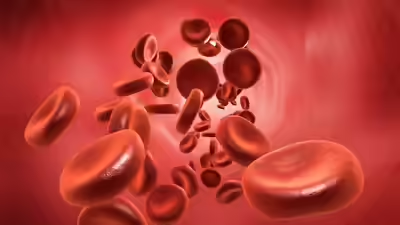
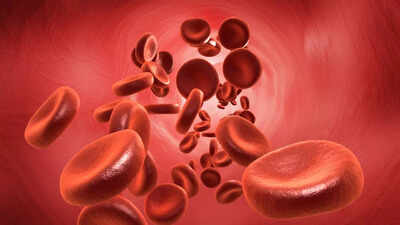
Blood type is usually treated like a background detail. Something written on hospital files, checked once, then forgotten. It does not feel personal or important in daily life. Yet when doctors started looking closely at stomach cancer patterns, one blood group kept appearing more often than expected. Blood type A.This was not noticed overnight. It showed up slowly, across countries, hospitals, and long-term records. A large peer-reviewed study published in Nature examined the relationship between ABO blood groups and gastric cancer and found that people with blood type A were diagnosed more often than those with other blood types, particularly blood type O. Researchers suggested the reason may lie in how blood group antigens linked to type A behave inside the stomach over long periods of time.
What blood type A changes inside the stomach
Why researchers keep returning to blood type A
Stomach cancer is influenced by many things, including diet, infection, smoking, and environment. Still, blood type A keeps resurfacing in research even after adjusting for these factors. The risk is not extreme or immediate. It is subtle. But consistency matters in science. When the same association appears repeatedly, it raises questions about biology rather than coincidence.
Blood group antigens are not just in the blood
One reason blood type matters here is that blood group antigens are found on stomach cells, too. These antigens act like surface identifiers. In people with blood type A, their structure may slightly alter how stomach cells react to irritation, acid exposure, and repeated injury. Over the years, this can affect how well the stomach lining repairs itself.
Long-term inflammation and slow damage
Cancer in the stomach rarely starts suddenly. It develops slowly, often after years of inflammation. Blood type A may create conditions where inflammation lasts longer or resolves less cleanly. When cells are repeatedly damaged and repaired, mistakes become more likely. Those mistakes can eventually turn into abnormal growth.
Helicobacter pylori and blood type A
Helicobacter pylori infection is one of the strongest known risk factors for stomach cancer. Many people carry it without symptoms. Research suggests that in people with blood type A, the bacteria may attach more easily to the stomach lining. This makes it harder for the body to clear the infection, allowing irritation to continue quietly for years.
Why blood type O often shows lower rates
Blood type O is often associated with lower stomach cancer rates in population studies. Without A or B antigens on stomach cells, bacterial attachment and inflammatory response may differ. This does not mean protection, but it helps explain why rates tend to be lower when compared with blood type A.
What blood type does not control
Blood type does not decide who will or will not develop stomach cancer. Many people with blood type A never face the disease. Others with different blood types do. Factors like smoking, high salt intake, alcohol use, untreated infection, and family history play a much larger role overall.
Using this information realistically
Knowing about blood type A is not meant to create anxiety. It is context. People with this blood type may benefit from paying attention to persistent digestive symptoms rather than dismissing them. Testing and treating Helicobacter pylori early makes a real difference. These steps matter regardless of blood type, but awareness helps.Blood type A has been linked repeatedly to a higher risk of stomach cancer, especially when compared with blood type O. The reason appears to involve how blood group antigens interact with stomach cells, inflammation and chronic infection over time. Blood type does not determine outcomes, but it helps explain patterns that doctors and researchers continue to see. Used correctly, this information supports prevention and earlier care, not fear.Disclaimer: This content is intended purely for informational use and is not a substitute for professional medical, nutritional or scientific advice. Always seek support from certified professionals for personalised recommendations.Also read| Why sipping very hot beverages may raise oesophageal cancer risk