






Why dogs prefer sleeping near doors instead of their beds and what it reveals about their instincts |

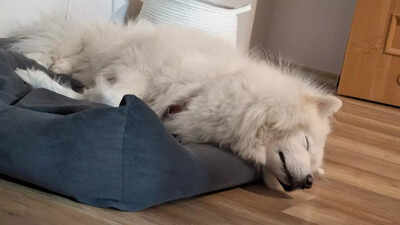
If you own a dog, then you might have observed one strange sleeping habit. Some dogs might refuse to sleep in the presence of a soft bed or couch or even a nice corner, and instead, they like to sleep near or at the doors or the thresholds. It might look very strange to humans, especially since there might be a very comfortable bed just a few feet away. Despite what one might think to be the obvious reason, the reason for the dog sleeping near the doors or thresholds has nothing to do with disobedience or restlessness.Analysis of the behaviour of the dog being attracted to doors can provide insight into their emotional conditions and their perceived position in the household.
Why dogs naturally choose to sleep near doors
Dogs trace their ancestry back to wild canines that had to be aware of their surroundings at all times. In the wild, positioning themselves at locations close to the entry or den opening enabled these canines to detect potential dangers and guard their social groups. Domesticated dogs display these natural behaviours.Sleeping near the door, it gives the dogs great advantages because they can easily hear the steps and respond instantly if there are any changes in the environment. It also fulfils the needs of the dogs because it helps them guard and arrange their environment.Research on canine behaviour indicates that dogs recognise the household as their territory and therefore select a spot close to the appropriate entrance, as it is also part of their nature to observe and guard.
Emotional indicators behind the behaviour
Sleeping with their backs to doors is also not an instinctual behaviour, as it can also portray emotional behaviour in pets. It is also a sign, especially in confident and well-adjusted canines, that their behaviour is closely related to their feeling comfortable, safe, and protective in their surroundings.However, there may be instances where such behaviour can be a display of high levels of anxiety, heightened alertness, or stress associated with separations. Dogs which appear restless, easily startled, and/or unable to settle down fully may be trying to convey a message about their high levels of anxiety. This can be gauged with the help of body language and responsiveness.
How dogs’ sleep patterns make them choose doorways
Dogs do not sleep like humans do. They may have sleep cycles consisting of light stages and deep sleep stages. Sleeping in areas near doorways enables these pets to rest while being conscious of what is going on in the surroundings. Even if there is a bed provided in such areas, the feelings of control and association in areas like doorways may be very attractive compared to other isolated areas.Scientific research has revealed that dogs tend to prefer areas where they can enjoy safety, interaction, and awareness. The presence of a door or a threshold often gives the dog all three and allows it to be secure while, at the same time, being in touch with what is happening in the house. While it is quite normal for dogs to sleep near doors, it could be an indication for intervention if it results in high anxiety, territorial aggression, and disturbed sleep.Providing a comfortable bed in a quiet yet socially connected location can help. Adding familiar scents or favourite toys, and rewarding calm behaviour with praise or treats, encourages the dog to accept the new resting spot. Forced relocation or punishment should always be avoided, as it can increase stress and undermine the dog’s sense of security.
Understanding your dog’s needs
Ultimately, choosing to sleep near a door reflects a combination of instinct, comfort, and emotional state. Observing your dog’s behaviour and understanding the reasons behind it allows pet owners to respect their needs while promoting healthy rest. This behaviour highlights the deep connection between dogs and their environments and the subtle ways in which they protect and interact with their human families.By recognising that this habit is natural and often beneficial, owners can create an environment that balances instinctual needs, emotional well-being, and comfort.