




Born in 1938 in a Kerala village without electricity, T K Radha topped her class in mathematics, chose physics instead and was personally invited by J Robert Oppenheimer to Princeton, yet her story stayed in the shadows for decades
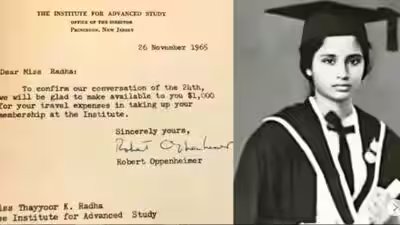
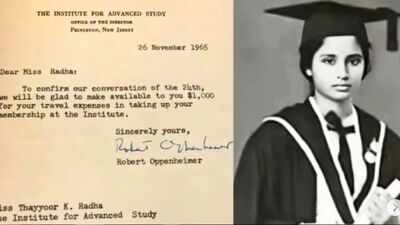
Years ago in a small village of Kerala where access to electricity was limited and opportunities for women in higher education were few, a girl was born who went on to become a topper and gained accolades for her intelligence. Meet Thayyoor K. Radha, known as T. K. Radha who was born in 1938. At a young age, she developed an interest in mathematics and science. But she went on to study theoretical physics and later published research papers on particle physics and quantum theory. She soon became world famous and received a personal invitation from J. Robert Oppenheimer to visit the prestigious Institute for Advanced Study (IAS) in Princeton, US, in 1965.However, her extraordinary academic journey didn’t earn her the kind of name it should have. Her name remained largely absent from popular accounts of Indian scientific achievements for years.From a Kerala village to the world of physics
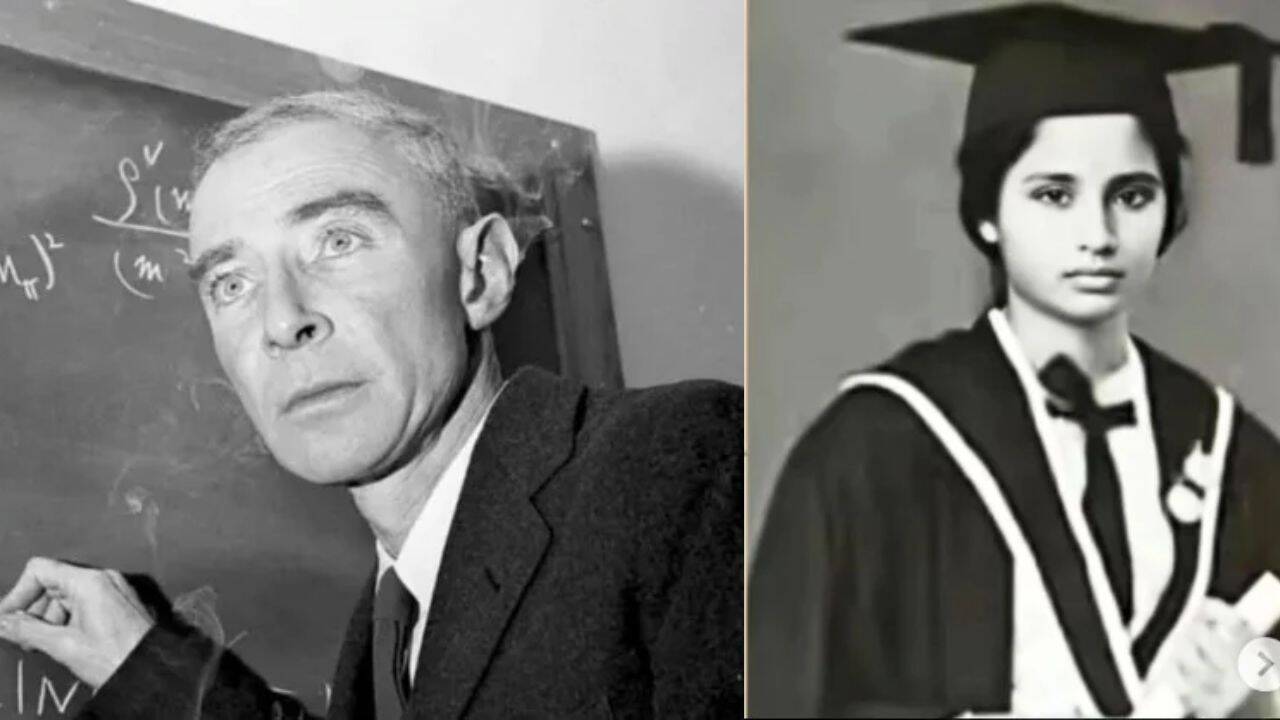
T K Radha and Oppenheimer (@sciastra_official/Instagram)
Radha was born in Thayyoor, a village in Kerala. She went on pursuing higher education during the time when it was not an easy choice for many Indian girls, particularly in fields such as physics.According to a profile published by Homegrown, Radha grew up in a family where continuing her education required determination. She was exceptionally good at mathematics and earned the highest marks in the subject. However, rather than limiting herself to mathematics, she chose to study physics, a decision that would shape her professional life.She eventually moved to Madras, now Chennai. She got admission at Presidency College, one of the country’s prominent institutions. Her academic performance earned her a gold medal, establishing her as a promising young scientist at a time when women remained underrepresented in advanced scientific research.The research that caught Oppenheimer’s attention
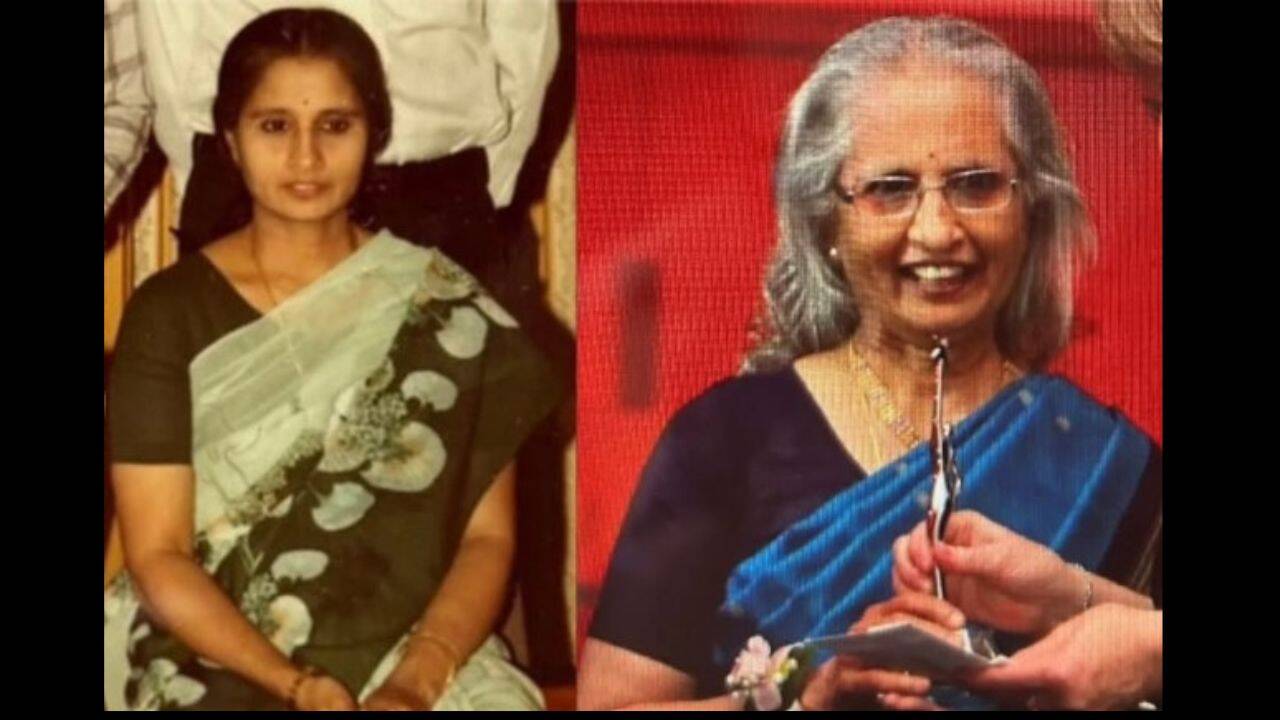
T K Radha then and now
She went on to publish 14 research papers covering particle physics, Feynman propagators and particle interactions, which also formed the basis of her doctoral thesis. In 1963, she received a postdoctoral fellowship at Stanford University, where she worked with physicist Leonard I. Schiff. Her research and international collaborations helped establish her reputation before she received the invitation that would take her to Princeton.Radha’s scientific journey caught the attention of one and only J. Robert Oppenheimer. In June 1965, Radha received a letter from Oppenheimer, then director of the Institute for Advanced Study. He invited her to join the institute from September 1965 to April 1966.Oppenheimer, widely known for his role in developing the atomic bomb during the Manhattan Project, was also a prominent theoretical physicist. His invitation brought Radha to an institution associated with some of the most influential scientific minds of the 20th century, including Albert Einstein, who had worked there.During her stay, Radha interacted with scientists such as Freeman Dyson, Abraham Pais and Sergio Piero Fubini. She also had private conversations with Oppenheimer.One memorable encounter involved the Bhagavad GitaRadha recalled being struck by Oppenheimer’s familiarity with the Hindu scripture, which he had read in Sanskrit. When he asked whether she knew the text, she admitted that she had not studied it sufficiently to discuss it with him in detail.She also recalled a practical concern surrounding her visit: she had not received the money needed for her travel. When she approached Oppenheimer’s secretary, the physicist arranged for the funds to be wired immediately.Marriage and motherhood
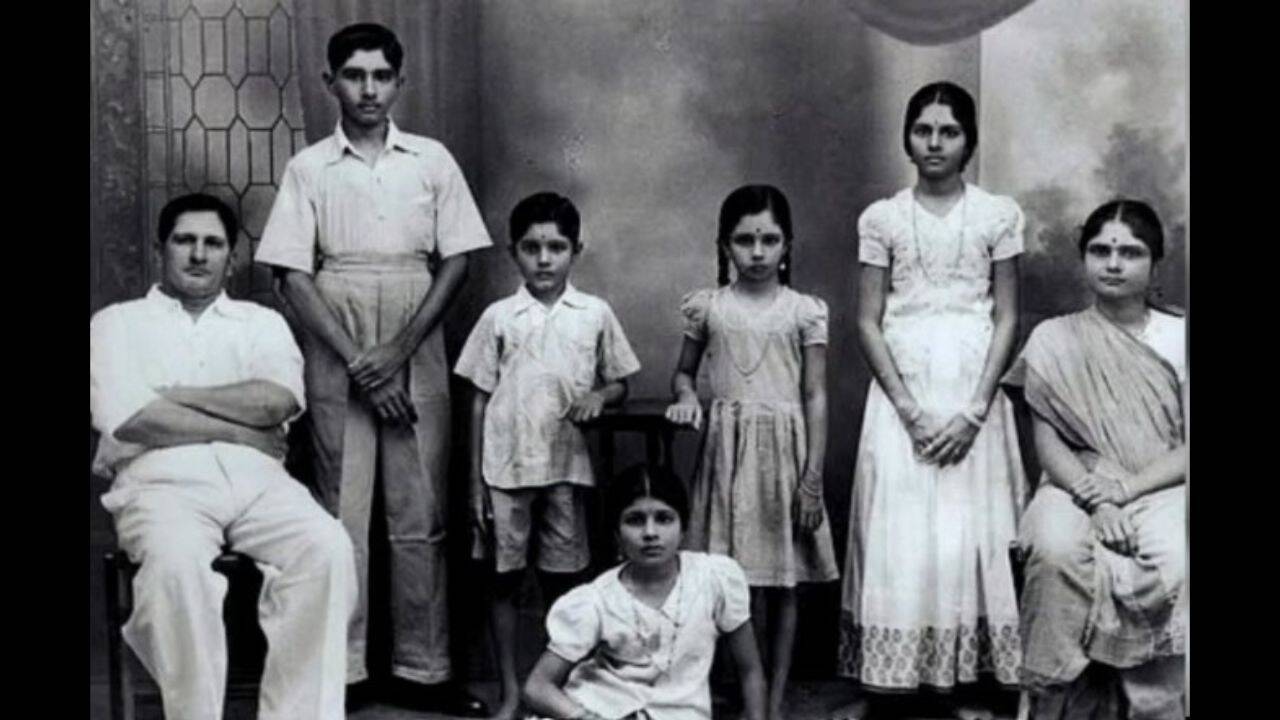
T K Radha with her family (@sciastra_official/Instagram)
Radha’s career did not follow a straightforward trajectory after Princeton. In 1966, she married Vembu Gourishankar, an electrical engineering professor at the University of Alberta, and moved to Edmonton, Canada.The university offered her an assistant professorship, but pregnancy and the lack of adequate childcare made it difficult for her to continue working. A subsequent difficult pregnancy further complicated her return to academic research.In an interview published by the Institute for Advanced Study, Radha recalled that she eventually realised she had fallen several years behind developments in her field. When she attempted to return, circumstances at the university made securing a position difficult.She did not abandon learningIn 1973, she enrolled in computing courses at the University of Alberta and once again finished at the top of her class. Her unusual combination of expertise in physics and programming made her valuable to the university’s physics department, which needed specialists capable of performing numerical analysis.From 1976 to 1992, she worked as a computer programmer, supporting physicists with computational work. She also contributed ideas to their research, and some of her contributions earned her co-authorship on scientific publications.The research led to an interview with Radha in 2024, helping recover details of her scientific career and personal journey. Her story shows how the contributions of women can slip out of public memory.