






Couple escaped from elder care home because they did not like it: How working children can better support ageing parents in a changing world |


“They didn’t really like being in care and I think they just wanted to be home together.” That is how Linda McKelvie explained why her parents, Colin and Claudette Geraghty, quietly left the Melbourne care home they had moved into just days earlier.Married for 65 years, Colin, 89, who has Alzheimer’s disease, and Claudette, 83, who has vascular dementia, packed their belongings, took their medications and drove away in their white Mazda, as per Mirror report. The Australian couple was found safe on Saturday July 11. They were found nearly 32 hours after their escape about 160 kilometres from the facility.
28 Jul 2026 | 16:26
Which parenting tip from elders actually worked for you?
Before leaving, Colin sent his daughter a message that has since resonated with families around the world: “Don’t worry, thank you for your help, I’ll make sure I look after her.”Speaking about her parents’ decision, Linda said, “Dad thinks he can help her… they feel like all their choices are being taken away.” She also described the deep bond they continue to share, saying, “Dad just doesn’t want to be without Mum, and Mum’s a trooper.”

Colin and Claudette Geraghty spotted after their quite escape (Image credits: Mirror)
The story is not an argument against residential care. Many families have little choice when dementia progresses and professional support becomes essential. Instead, it highlights a challenge that millions of families across the world are beginning to face: how do we help aging parents feel cared for while preserving their dignity, independence and relationships?
The world is ageing rapidly
According to the World Health Organization (WHO), by 2030, one in every six people globally will be aged 60 years or older. By 2050, the world’s population of people aged 60 and above will reach 2.1 billion. India, too, is ageing rapidly, with the United Nations projecting that nearly one in five Indians will be over the age of 60 by the middle of the century. As life expectancy increases and families become smaller, many adults now find themselves balancing careers, raising children and supporting elderly parents- a group often called the “sandwich generation.”Why ageing parents need more than healthcareGood elder care extends beyond medicines, doctor visits and assisted living facilities.Studies published in NIH consistently show that loneliness and social isolation are associated with greater risk of depression, cognitive decline, and even premature death. A landmark review published in PLOS Medicine found that the influence of social relationships on risk for mortality is comparable with well-established risk factors for mortality. For many older adults, what matters most is not constant supervision but knowing they remain an important part of the family.
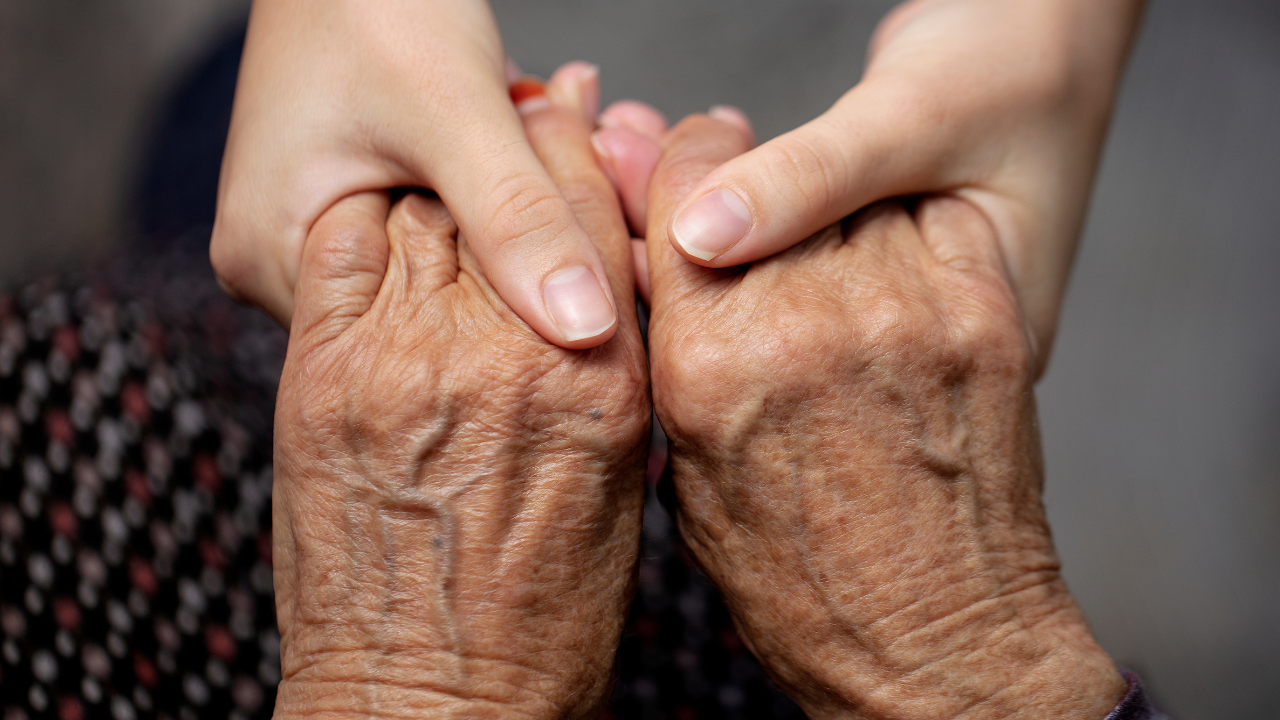
Image: Canva
Finding time despite busy lives
Modern work schedules often leave adult children feeling guilty that they cannot do enough. But experts say meaningful support does not always require large amounts of time.A short daily phone call, a weekly family meal or accompanying parents to an occasional medical appointment can help them feel connected. Involving siblings in caregiving responsibilities, using technology for regular check-ins and encouraging grandparents to spend time with grandchildren can also reduce loneliness while sharing the caregiving load.For parents living independently, watching for subtle changes- missed medications, forgotten appointments, declining hygiene or withdrawal from favourite activities- can help families intervene before problems become serious.
The lesson children are watching
Perhaps the most important parenting lesson hidden in this story is that children learn how families care for one another by watching their parents.
- They notice who visits grandparents.
- They notice who makes time despite busy schedules.
- They notice whether ageing relatives are treated with patience and respect.
These experiences quietly shape how they will one day respond when their own parents grow old. The Geraghtys’ story reminds us that growing older does not diminish the need for love, companionship or choice. While professional care can meet medical needs, emotional support continues to come from family. Perhaps that is why Colin’s simple message to his daughter touched so many people.
“Don’t worry, thank you for your help, I’ll make sure I look after her.”
Even as memories faded, his instinct to care for the woman he had spent 65 years with remained. As populations age and more families find themselves caring for elderly parents, perhaps the goal is not to do everything ourselves, but to ensure our parents never feel they have to grow old alone.