






A first-grade teacher in Kansas started ending each day with children repeating positive affirmations; the simple routine spread beyond his classroom as other teachers adopted the idea


Someone truly said that a teacher can change a thousand lives. One such example is an elementary school teacher from Kansas, who came up with a simple idea of ending each school day with children repeating positive affirmations. What began as a small classroom routine soon caught on, inspiring other teachers across the school to adopt the practice.At a time when conversations around children’s education often revolve around academic performance, grades, dress codes and whatnot, this simple initiative offers a gentle reminder that just a few words of encouragement can become an opportunity for children to recognise their own strengths and leave school feeling valued and with a sense of belonging.
How one teacher’s idea spread across the school
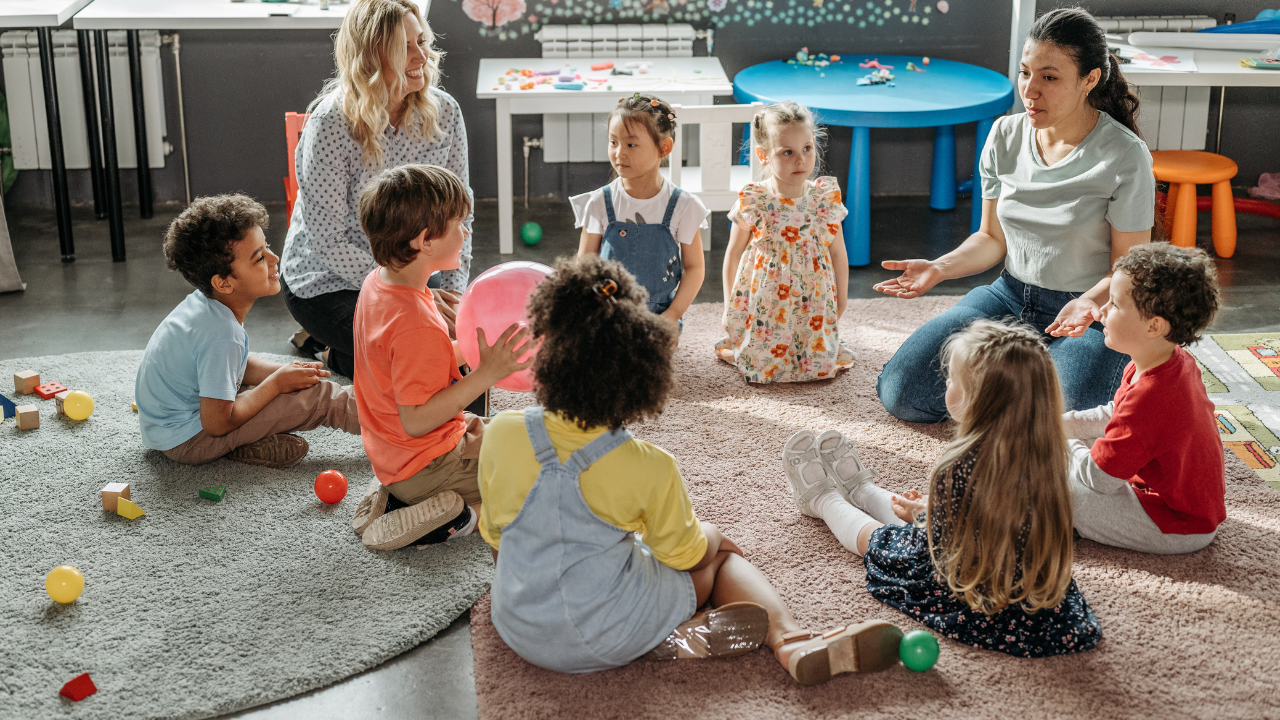
Image representation of the teacher’s Support to the students (source: Canva)
Tyler Richards, a first-grade teacher at Rex Elementary School in Haysville, Kansas, has been receiving appreciation for his simple approach to ending the school day. Before leaving the classroom, his young students repeat positive affirmations, including phrases such as “I am kind” and “I can do hard things”.The idea might feel simple and ordinary at first, but its purpose goes beyond having children memorise a few encouraging sentences. By repeating these words together, students get an opportunity to remind themselves that they can be kind, face challenges and approach new situations with confidence. Moreover, this small gesture creates a lasting bond between students and their teacher, allowing students to trust and depend on their teachers even outside academics.The idea soon caught the attention of the school’s principal, Shane Paulus, who appreciated the way it helped children feel welcomed and valued. Speaking about the practice, Paulus told KSN News that it was a good way for students to feel loved and appreciated before heading home and to end their day on a positive note.What makes the story particularly heartwarming is how quickly the idea travelled beyond Richards’ own classroom. Teachers across different grades at Rex Elementary began introducing similar practices, allowing more children to participate in the daily exercise.According to the report by Good News Network, students themselves have also started taking ownership of the initiative by suggesting new ways to put the practice into action. This response suggests that the routine has become more than something children are instructed to do. Instead, they are beginning to own it as something of their own.
Why positive affirmations can matter during childhood

Positive affirmations (Image- Canva)
Childhood is a period when children gradually develop an understanding of themselves, their abilities and their relationships with others. Along the way, they encounter new experiences, make mistakes, struggle with unfamiliar tasks and learn how to navigate friendships. The way adults respond to these encounters shapes how children view their own capabilities.Positive affirmations not only remind children of their own strengths but also assure them that the adults around them trust them, value them and consider them individuals. These affirmations remind them that there is more to life than failures. For a young child, even a seemingly simple challenge can feel like the end of the world. Whether it is starting a new semester or making new friends, these messages encourage children to focus on positive aspects of themselves.Of course, repeating affirmations is not a substitute for good teaching, emotional and personal guidance, or addressing the difficulties a child may be experiencing. Children also need adults who listen to them, acknowledge their feelings and help them work through problems. Encouraging words are most meaningful when they are reinforced by everyday experiences in which children feel respected and supported.
A small classroom habit with a larger message
One of the significant aspects of this initiative is its emphasis on making children feel that they belong. For young students, school is not only where they learn academic skills. It is also where they build relationships with teachers, interact with classmates and begin to understand how they fit into a larger community.Richards has emphasised the importance of creating a safe place for children. Children spend a significant amount of their day at school. This is an important part of the story because a child’s experience of school extends beyond what happens during a lesson.When children feel comfortable asking questions, making mistakes and seeking help, they have more opportunities to participate in the classroom. A welcoming environment cannot be created through affirmations alone, but small gestures of reassurance can form part of a broader effort to build that environment.There is also a lesson here for parents and caregivers. Encouragement does not always have to come in the form of elaborate praise or rewards. Reminding children that they can learn from mistakes, that kindness matters and that asking for help is acceptable can become part of everyday conversations at home. The most important thing parents often forget is that their children are also individuals with their own personalities and emotions and must be treated as such.Ultimately, Richards’ initiative is a reminder that teaching involves more than helping children understand what is written in their textbooks. It also involves creating an environment in which they feel seen, supported and encouraged to grow. Sometimes, it is a small idea that makes a big difference.