







A wedding ceremony is supposed to be a peaceful celebration, but a Florida wedding venue found itself dealing with a very different kind of disturbance. Its owners accused their neighbours of repeatedly disrupting ceremonies with loud gunfire, revving chainsaw and airboat engines, loud music and roaming dogs. The alleged disturbances became the subject of a legal dispute after the venue claimed that the behaviour was interfering with its business and threatening its future.The Florida Sixth District Court of Appeal addressed the dispute in its October 30, 2026, decision in Brad Hatcher and Audrey Hatcher v. Restorical, LLC, doing business as Sydonie Mansion. The ruling, available on Justia, overturned a temporary injunction that had restricted the neighbours’ conduct during weddings and other events. The appeals court found that although there was evidence supporting a harmful nuisance claim, the venue had not sufficiently demonstrated that it would suffer irreparable harm without the restrictions.
Dispute over wedding ceremonies at historic Florida mansion
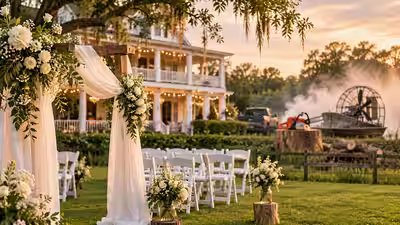
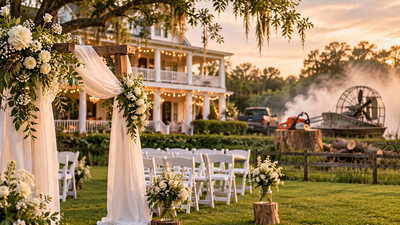
The case involved Sydonie Mansion, a historic property in Mount Dora, Florida, owned by Restorical LLC. The venue’s owners, Clark and Amy Frogley, also lived at the mansion and had hosted weddings and other events there for approximately nine years. During its busy season, running from September through May, the business typically organised two to three weddings each week. However, Restorical claimed that activities on the neighbouring property, owned by Brad and Audrey Hatcher, increasingly interfered with these celebrations.According to the court’s account, the alleged disturbances had occurred occasionally before 2025. These included playing loud music through speakers directed towards the mansion and allowing dogs to roam freely onto the venue’s grounds. Restorical alleged that the situation became more serious in 2025, when the neighbours repeatedly engaged in noisy activities during scheduled weddings. These reportedly included rapid gunfire, revving chainsaw and airboat engines, operating chainsaws and releasing dogs.The company argued that the timing of these activities disrupted ceremonies and affected the atmosphere expected by couples and their guests. It subsequently filed a lawsuit against the Hatchers, including a private nuisance claim, and sought a temporary injunction to prevent further disturbances.
Lower court granted temporary restrictions
Following an evidentiary hearing at which both sides presented testimony, the trial court granted Restorical’s request for a temporary injunction. The lower court found that the neighbours’ alleged conduct had caused continuing disruption to the wedding business and threatened the venue’s goodwill and long-term viability. It also concluded that the resulting harm could not be adequately addressed through monetary damages.The injunction prohibited the Hatchers from disrupting the venue’s scheduled events. It also required Restorical to provide them with written notice at least 24 hours before each event. The neighbours challenged the order before the Florida Sixth District Court of Appeal, arguing against the restrictions imposed on their property-related activities.
Why the appeals court reversed the temporary ban
The appeals court examined whether Restorical had satisfied the legal requirements for obtaining a temporary injunction. Under Florida law, a party seeking such relief must establish four elements: a substantial likelihood of success on the merits, the absence of an adequate remedy at law, a likelihood of irreparable harm without the injunction and consistency with the public interest.The court explained that failure to establish even one of these requirements is enough to deny temporary injunctive relief. In this case, the judges focused on irreparable harm and whether monetary compensation could provide an adequate remedy. They found that the evidence did not sufficiently establish that the alleged disruptions would cause losses that could not be calculated or compensated financially.Although Amy Frogley testified that she feared losing wedding bookings and potentially the historic mansion if the business could no longer generate enough revenue to maintain it, the court found that these concerns were not supported by sufficient evidence. There was no testimony or other evidence showing that weddings had been cancelled, bookings had been lost or substantial business losses were imminent. The court also noted that Restorical had operated the venue for nine years, giving it a business history from which potential financial losses could be assessed.At the time of the hearing, the venue was still accepting wedding bookings and was not informing prospective customers about the alleged disruptions. Although one incident had reportedly resulted in a partial refund of a wedding fee, there was no evidence that similar refunds would become frequent or create unquantifiable losses. The judges therefore concluded that the trial court’s finding of irreparable harm was not supported by competent, substantial evidence.
Nuisance claim remains open
The appeals court clarified that its decision did not establish that the neighbours’ alleged behaviour was acceptable. It acknowledged that the evidence could support a finding that their conduct constituted a harmful nuisance. However, proving that behaviour amounts to a nuisance is different from satisfying the additional legal requirements for an immediate temporary injunction.The court reversed the injunction and remanded the case to the lower court for further proceedings. It also made clear that Restorical could still attempt to establish irreparable harm through sufficient evidence. The October 30 ruling did not finally resolve the underlying lawsuit or determine the parties’ ultimate liability. Instead, it addressed whether the evidence justified imposing temporary restrictions while the legal dispute continued.