






A Phoenix man owned a historic house for 51 years before Arizona State University tried to take it for a medical campus; after public opposition, the university dropped its case and let the home stay
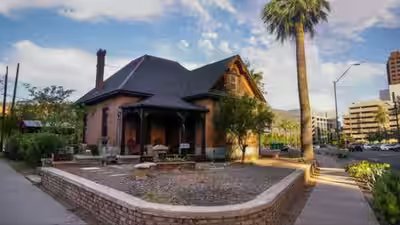
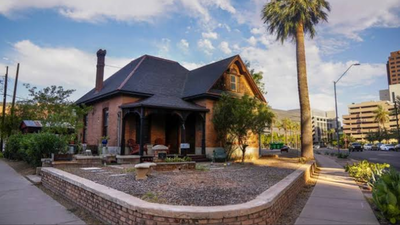
Arizona State University has dropped an eminent domain lawsuit that sought to take a 124-year-old historic home in downtown Phoenix. Widespread public opposition led university officials to let the property remain intact. The Arizona Board of Regents, acting for Arizona State University, filed court papers seeking immediate possession of the historic Louis Emerson House for a planned medical campus headquarters. However, the university announced in July 2026 that it would dismiss the case and stop trying to acquire the land. The property is owned by John Young, who has held the title to the parcel for 51 years. Long-time tenant Barry Schwartz has lived in the home for eight years. Both men started a public campaign to protect the house from demolition. Their efforts generated thousands of online signatures and led to grassroots preservation events. “They saw the light,” Young told the Phoenix New Times after the decision. “I applaud that. You don’t typically get a bulldozer turned around and just say, ‘We think we’ve made a mistake.’ That’s what it amounted to.”
A historic structure in the path of expansion
Built in 1902, the Louis Emerson House is listed on the Phoenix Historic Property Register. It is also one of the city’s few remaining residential structures built before Arizona became a state. The home was first located somewhere else in downtown Phoenix. In 1990, Young arranged to move the house to protect it during construction of the Arizona Center commercial complex. Arizona State University announced plans in March 2025 to build its new health headquarters across several blocks in downtown Phoenix. The project is scheduled to open before the fall 2028 academic term. To obtain the entire site, the university tried to buy the parcel where the Emerson House stands. When talks failed, the board filed an eminent domain lawsuit in May 2026 to take the property. According to court filings reported by the Phoenix New Times, university site maps showed that the house lot was not planned for medical buildings. Instead, it was marked as landscaped open space around the planned medical campus. University officials first offered $990,000 for the land. Young rejected the offer. He said moving the fragile 124-year-old house a second time would cost between $2 million and $3 million.
Community petition turns the tide
Facing the threat of a forced sale and possible demolition, Schwartz and Young began a public campaign to bring attention to the home’s history. Working with local advocacy group Preserve Phoenix, they started an online petition on Change.org asking for the property to be protected. As reported by The State Press, the official student news organization of Arizona State University, the petition collected more than 12,000 verified signatures from people across Arizona and the United States. Preservationists said Phoenix has often given up historic buildings to make way for modern development. They argued that this has left the city with few physical links to its early settlement period. Schwartz said the quick growth in public support helped change the university’s position. “You sit there and wonder when you take out a petition, ‘Are they really effective? Do they really make a difference?'” Schwartz told The State Press. “Well, in this case, it really did.”
Formal withdrawal of court proceedings
In court papers filed before a scheduled September evidentiary hearing, Arizona State University formally asked to dismiss its condemnation lawsuit. A university spokesperson said in a written statement provided to The State Press that the university decided to drop the case to respect the owner’s wishes and respond to community feedback. Young, who had rejected early advice from lawyers to accept a financial settlement, said he was relieved that the threat of losing his property was over. “I was under Damocles’ sword. It’s held up by a single horse hair,” Young told the Phoenix New Times. “It’s been hell.” To celebrate the decision, Schwartz and Preserve Phoenix held an open house during downtown Phoenix’s First Friday art walk in August 2026. The event allowed local residents and supporters to enter the historic home. Preservation advocates plan to consider more public educational events at the property. These events would highlight the early architectural history of downtown Phoenix.