





A proposed A$15 billion data-centre campus near Wagga Wagga would use about 100 hectares, 384 backup generators and 6,400 tonnes of diesel; more than 1,000 residents have signed a petition against it
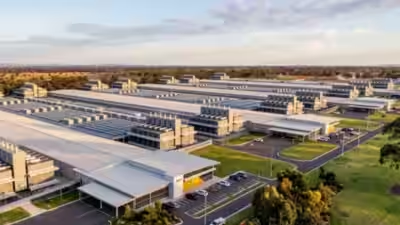
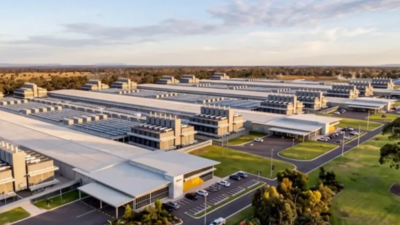
A proposed A$15 billion data-centre campus near Wagga Wagga in New South Wales has sparked a debate over the future of regional development, with residents raising concerns about agricultural land, energy demand and environmental impacts. Reporting by ABC Riverina and The Daily Telegraph, alongside details in the project’s planning documents, highlights a growing divide between those concerned about the development and those who see it as a major economic opportunity. CDC Data Centres is exploring plans for a 1.4-gigawatt facility on approximately 100 hectares of council-owned land at Gregadoo, around 15 kilometres from central Wagga Wagga. The proposed campus would comprise four large, single-storey buildings designed to operate around the clock.The scale of the project has drawn particular attention. Its proposed infrastructure includes 384 backup diesel generators, diesel storage estimated at 6,400 tonnes, large-scale batteries and substantial electricity connections. If built, the campus would represent a significant addition to Australia’s expanding data-centre industry, which is being driven in part by growing demand for cloud computing and artificial intelligence. More than 1,000 people have signed a petition opposing the proposal, calling on Wagga Wagga City Council, the NSW Government and relevant planning authorities to reject the development.
Concerns over farmland and local impacts
The proposed site is currently zoned for primary production, meaning a change in land-use zoning would be required to accommodate the development. Because the project is classified as a State Significant Development, the approval decision would be made at the state level rather than by the local council. Residents living near Gregadoo have questioned whether the potential economic gains would justify the project’s impact on the surrounding rural landscape. Concerns include the effect on neighbouring homes, farming activities, noise, emissions and the long-term industrialisation of agricultural land. The proposed energy demand is another central issue. CDC estimates that the completed campus could consume between five and seven terawatt-hours of electricity annually, depending on customer requirements and operating capacity. The company expects the facility to run at around 40 to 60 per cent of its maximum capacity. The proposal also includes approximately 20,160 rooftop solar panels, expected to generate up to 13.1 megawatts under peak conditions. However, this would account for only a small fraction of the campus’s proposed 1.4-gigawatt maximum capacity.
Water use and environmental questions
Water consumption has emerged as another point of discussion, particularly in a region where residents are concerned about changing climatic conditions and pressure on natural resources. CDC has said it intends to use a closed-loop cooling system that recirculates water rather than relying on conventional evaporative cooling methods. The company estimates annual water consumption during the initial stage at approximately 1.512 million litres, with an initial fill of around 1.28 million litres also anticipated. The developer has indicated that the initial water requirement could be met through rainwater collected on-site, supplemented by water deliveries or town supplies depending on local conditions. Its broader proposal also includes funding connections and upgrades to infrastructure that the site currently lacks, including water, sewerage and telecommunications services. Despite these assurances, residents and sustainability specialists have called for more detailed information about the project’s environmental footprint and long-term resource requirements. A comprehensive assessment is expected to address issues including electricity infrastructure, noise and vibration, water management and other potential environmental impacts.
Economic opportunities versus community concerns
Supporters argue that a development of this scale could bring substantial investment to the region. Wagga Wagga City Council has described the proposal as a potentially significant opportunity for the local economy, pointing to construction activity, contracts for local suppliers, skilled employment and training opportunities. CDC has also indicated that the project could generate hundreds of jobs during construction, alongside ongoing employment once operational. The extent of these benefits, however, will depend on the final design, construction schedule and staffing requirements.The proposal has also prompted questions about whether establishing major digital infrastructure could encourage further data-centre developments in the area. Researchers examining sustainable digital infrastructure have warned that such projects can make surrounding regions more attractive to other operators, potentially increasing pressure on agricultural land and existing infrastructure. For local business and community representatives, the challenge is to assess the proposal on its merits while ensuring that residents have a meaningful role in the process.
What happens next?
The project remains subject to assessment under New South Wales’ State Significant Development process. Although Wagga Wagga City Council has endorsed the sale of the land, the state government will determine whether the data-centre campus can proceed.CDC has proposed a community benefits package worth up to A$225 million, comprising a contribution linked to the development’s estimated cost and a further A$75 million for local initiatives. Potential priorities include housing, sporting facilities, education, environmental improvements and community infrastructure. The commitments are conditional on the project receiving approval and proceeding as planned. The debate now centres on whether the promised economic and community benefits will outweigh concerns about energy demand, diesel storage, agricultural land and the long-term environmental consequences of a development of this scale.