





An Essex family set aside its entire farm roughly 30 years ago; after farming resumed in 2014, 50 acres stayed wild, regenerated with oak and scrub, and helped inspire a 200-acre nature-recovery plan
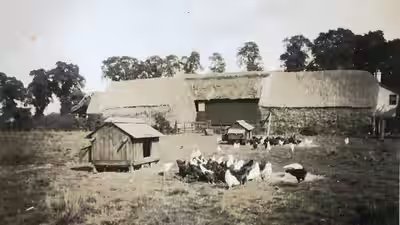
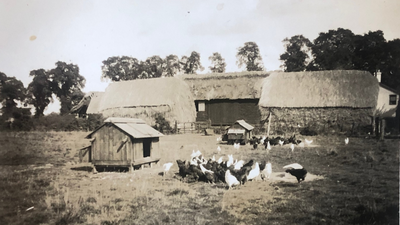
An Essex estate has launched a 200-acre nature-recovery project after seeing how a smaller area of land recovered when it was left untouched for a decade. The project at Braxted Park Estate covers about 70 hectares across the administrative areas of Colchester City Council, Braintree District Council and Maldon District Council. It builds on a land management decision made decades ago. About 30 years ago, the Clark family decided to set aside their entire farm. After ten years in the Countryside Stewardship scheme, farming resumed in 2014. But the family chose to leave about 50 acres unfarmed. Over the next decade, scrub grew back and self-seeded oak trees matured. The area then attracted rare birds, including turtle doves and nightingales. Duncan Clark DL, owner of Braxted Park Estate and creator of the Braxted Park Habitat Bank, said seeing the natural recovery across those 50 acres persuaded him to expand the work over a much larger area. “The opportunity to increase the acreage of nature recovery to 200 acres of BNG was one Duncan could not turn away from,” according to the estate’s official publication detailing the project history. The larger 200-acre project is an off-site Biodiversity Net Gain (BNG) habitat bank. Under current UK planning rules, property developers must ensure that new projects deliver at least a 10 per cent increase in local biodiversity. If ecological improvements cannot be made directly on a building site, developers can buy biodiversity units from outside habitat banks to meet the legal requirement.
Statutory framework and 30-year binding agreement
The project is in the Northern Thames Basin National Character Area and is designed to support the regional Local Nature Recovery Strategy. The habitat creation and improvement scheme operates under a Section 106 legal agreement. This agreement commits the estate to a 30-year plan for managing and monitoring the habitat. This long-term arrangement gives local planning authorities, developers and ecological consultants legal and practical certainty that the land will be monitored and protected over time. Property consultancy Bidwells is managing the strategy and the commercial sale of the biodiversity units created by the project. James Young, Rural Agency and Natural Capital Sales Manager at Bidwells, is responsible for matching developers’ needs with the units available from the estate. He also helps ensure that sales meet legal trading rules and local planning conditions. Further oversight and management support comes from Bidwells’ natural capital team. This includes Head of Rural Roland Bull, Natural Capital Partner Lisa Bulmer, and Environmental Consultant Maisie Jimson-Woods.
Hands-on stewardship and regional species conservation
Local estate staff and outside conservation experts are managing the work on the ground. Mark Dronfield, BNG Implementation Officer at Braxted Park, grew up on the estate and now oversees planting and habitat management. “I have a personal connection to this land as I grew up here on the estate and I can remember views of newly planted woodland. The same views now are of maturing trees of similar age to me. To come back to Braxted Park and plant new trees myself and steward these new woodlands, hedgerows, grasslands and the wildlife that call this area home is very grounding and fulfilling,” said Dronfield. Environmental charities are also providing advice on specific species. Mark Nowers, Turtle Dove Conservation Adviser in Essex for the Royal Society for the Protection of Birds (RSPB), gives advice on creating suitable habitat. Nowers works across a network of about 100 farms, estates and landholdings in Essex. His work supports efforts to create the conditions needed for turtle doves to recover. The species has suffered major population declines across Britain in recent decades. The 70-hectare site combines hedgerows, native grasslands and scrubland with maturing oak woods. Together, these habitats create a continuous ecological corridor across middle Essex. The project allows developers in the Colchester, Braintree, Maldon and Chelmsford planning zones to meet their environmental obligations while creating a permanent area for nature recovery in the Northern Thames Basin.