





Anish Sarkar: He was 3 years old and already ranked by FIDE: What Anish Sarkar’s parents did differently is the parenting lesson every Indian family needs to read
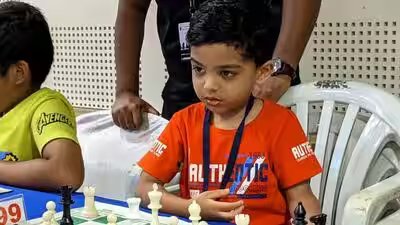
On December 26, 2024, at the Rashtrapati Bhavan Cultural Centre in New Delhi, President Droupadi Murmu stood before 17 extraordinary young Indians and presented each of them with the Pradhan Mantri Rashtriya Bal Puraskar, the country’s highest honour for exceptional children. Among those 17 children was one who stood out not because of what he had achieved in years of dedicated effort, but because of the age at which he had already begun. Anish Sarkar, the youngest FIDE-ranked chess player in the world was recognised at the age of three. Three years old. Ranked by the International Chess Federation. Honoured at Rashtrapati Bhavan. And the question every Indian parent watching that ceremony quietly asked themselves was the same: how?
When most children are learning to count, he was learning to play chess
28 Jul 2026 | 16:22
How do you teach children about money and financial responsibility?
Chess prodigy Anish Sarkar became the youngest FIDE-ranked player at just three years old, a milestone that stunned the global chess community and brought his name to the attention of the country’s highest offices. FIDE, the International Chess Federation, assigns ratings to players who compete in official tournaments. To receive a FIDE rating at any age is an achievement that most serious chess players work toward for years. To receive one at three years old is, by any measure, extraordinary. But here is the thing about Anish’s story that matters most for Indian parents, and it is not the rating, or the award, or the ceremony at Rashtrapati Bhavan. It is what happened before all of that. In an ordinary home. With ordinary parents. Who simply paid attention to what their child was drawn to and then followed his lead.
The parenting angle that changes everything
The parenting angle that changes everything
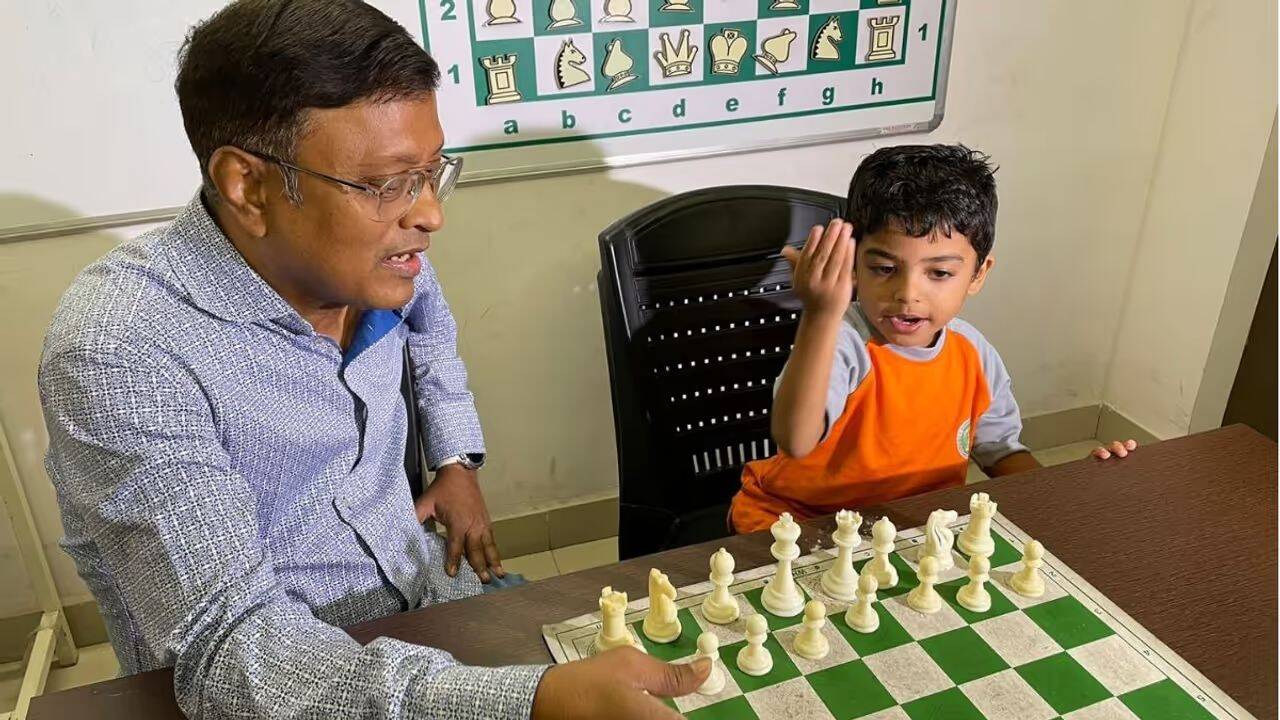
Stories like Anish’s are often told as stories about exceptional children. About talent that arrives fully formed, about prodigies who are simply different from ordinary kids. But developmental psychologists consistently tell us something different. Early excellence in children is almost never just about the child. It is about the environment, the encouragement, and the adults who noticed something and made space for it to grow.The parents who raised Anish Sarkar did not wait for him to be old enough to start. They introduced chess early, they supported the interest when it appeared, and they trusted that a three-year-old who was genuinely drawn to something could handle being taken seriously. That trust, in a child’s capacity, at an age when most adults would say “he is too young,” is perhaps the most important parenting decision in this entire story.
What every Indian parent can take from this
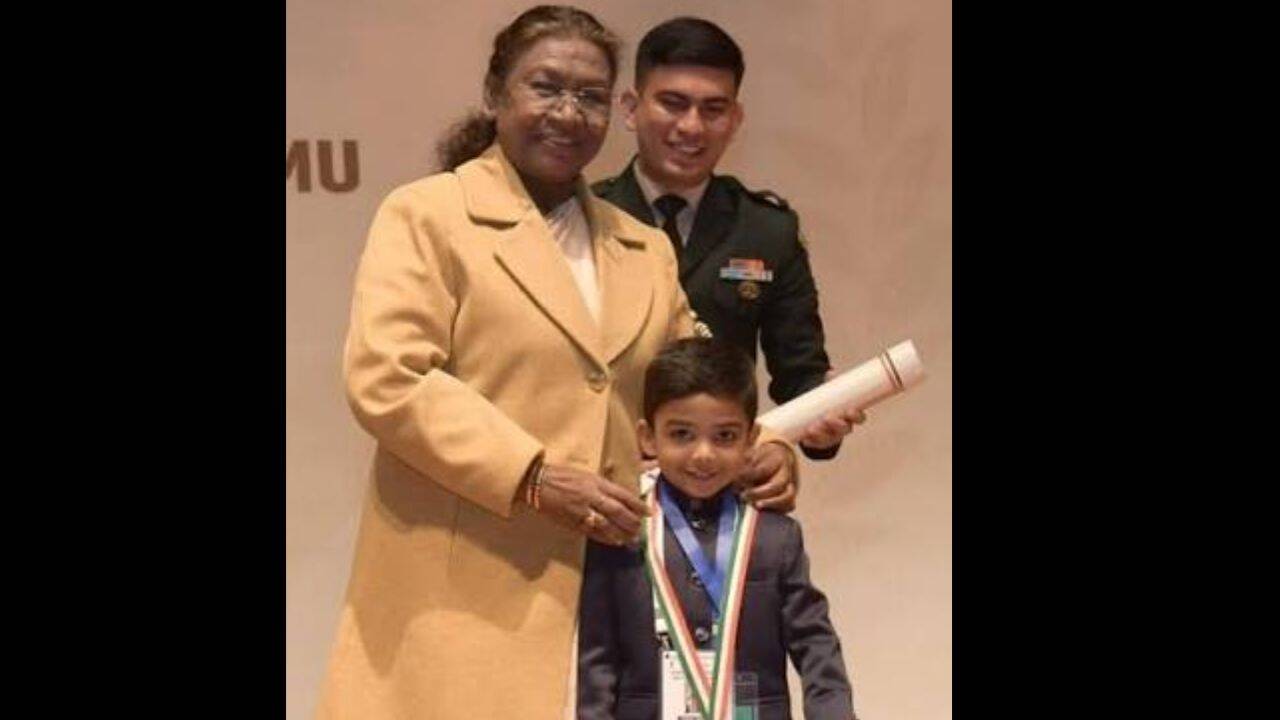
President Murmu highlighted the importance of honouring such talents, saying, “The tradition of recognising and nurturing children’s potential has always been part of our culture. Their contributions will lead India to the pinnacle of progress.” But recognition at Rashtrapati Bhavan begins long before Rashtrapati Bhavan. It begins at home. In the small moments when a parent notices what lights their child up and chooses to nurture it rather than redirect it toward something more conventional.
Here is what Anish’s story teaches every Indian parent, distilled simply:
Watch your child without an agenda. What are they drawn to before you tell them what to be interested in? That natural magnetism toward numbers, toward music, toward sport, toward stories is the beginning of something. Follow it. Start early without pressure. Introducing a child to chess, or music, or art, or science at three years old is not pressure. It is exposure. The difference is in whether the child is allowed to walk away or is pushed to stay. Anish stayed because he wanted to.Take their interest seriously. A three-year-old who loves chess is not too young to be taken seriously. Children rise to the level of the belief placed in them. Celebrate the process, not just the prize. Anish’s FIDE rating was not the destination. It was a milestone on a journey that began with a parent introducing a small child to a game and then watching what happened next.
The bigger reminder
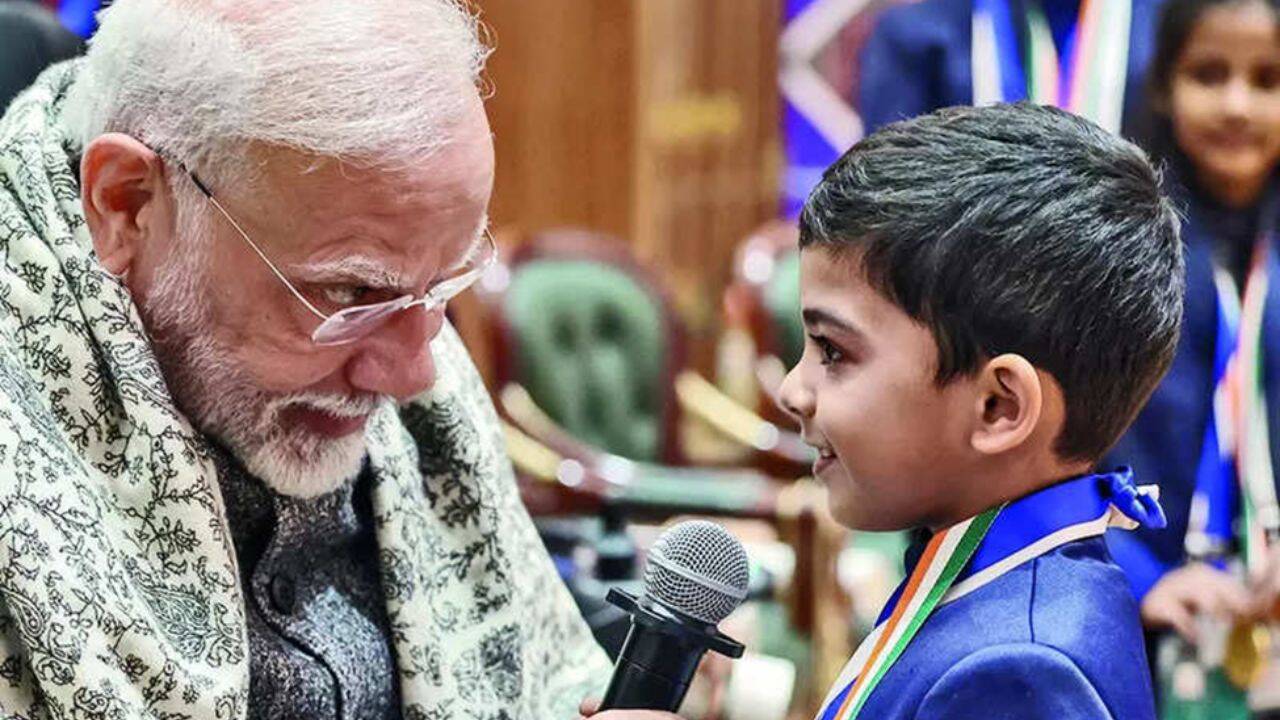
President Murmu said of the young awardees, “In 2047, when we celebrate the centenary of our independence, these award winners will be enlightened citizens of the country. Such talented boys and girls will become the builders of a developed India.” Anish Sarkar is one of those builders. He is three years old. He already has a FIDE ranking and a national award.And somewhere in India right now, there is another three-year-old who is drawn to something with the same intensity. Waiting for an adult to notice. Waiting for someone to say, “Yes, this matters; let us see where it goes.” That adult is a parent. And that decision is made not at Rashtrapati Bhavan but at home, on an ordinary evening, when a child shows you something they love.