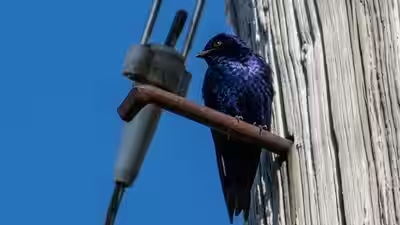






Britain’s turtle doves lost 98% of their population since the 1960s; in 2026, conservationists released 30 birds and one began laying eggs

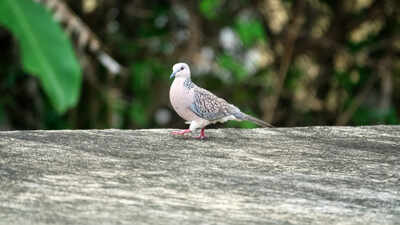
As the festive season approaches, a bird forever linked with love, devotion and Christmas is quietly offering Britain a reason for hope. The turtle dove, once a familiar sight across the countryside, has suffered a dramatic decline over the past six decades. Now, a conservation effort in Hampshire is showing early signs that the species may have a chance to recover, reports People. A recent report by the BBC states that by 2023, the European turtle dove population in the United Kingdom had fallen to just 2 percent of its peak population in the late 1960s. The species is Europe’s only migratory dove and has become the fastest-declining bird species in the U.K., adds the report.
30 birds take light
If we go by the People report, in spring 2026, the country’s National Park Authority released 30 turtle doves at an undisclosed location in Hampshire. The initiative was designed to strengthen the dwindling population and give the species a better chance of establishing itself in the region. The effort is already producing an encouraging development. South Downs National Park has reported that at least one of the released females has returned to an enclosure and laid eggs, adds the report.For conservationists, the discovery is an important early indication that the birds are adapting successfully. If the released turtle doves continue to thrive, they are expected to make an extraordinary journey of around 3,000 miles to sub-Saharan Africa for the winter before returning to Britain in spring.
Creating a home for turtle doves
The release of the birds is only one part of the wider conservation programme. South Downs National Park, farmers, landowners, volunteers and conservation groups have been working together to improve the habitat available to turtle doves. The report adds that new ponds and areas of scrub have been created across the park and surrounding countryside. Plants that provide food for the birds have also been encouraged, while woodland edges, hedgerows and farmland are being managed to create the conditions turtle doves need.These changes are particularly important because the species depends on a mixture of farmland, scrub, hedgerows and woodland habitats, often with ponds nearby.
Looking beyond 30 birds
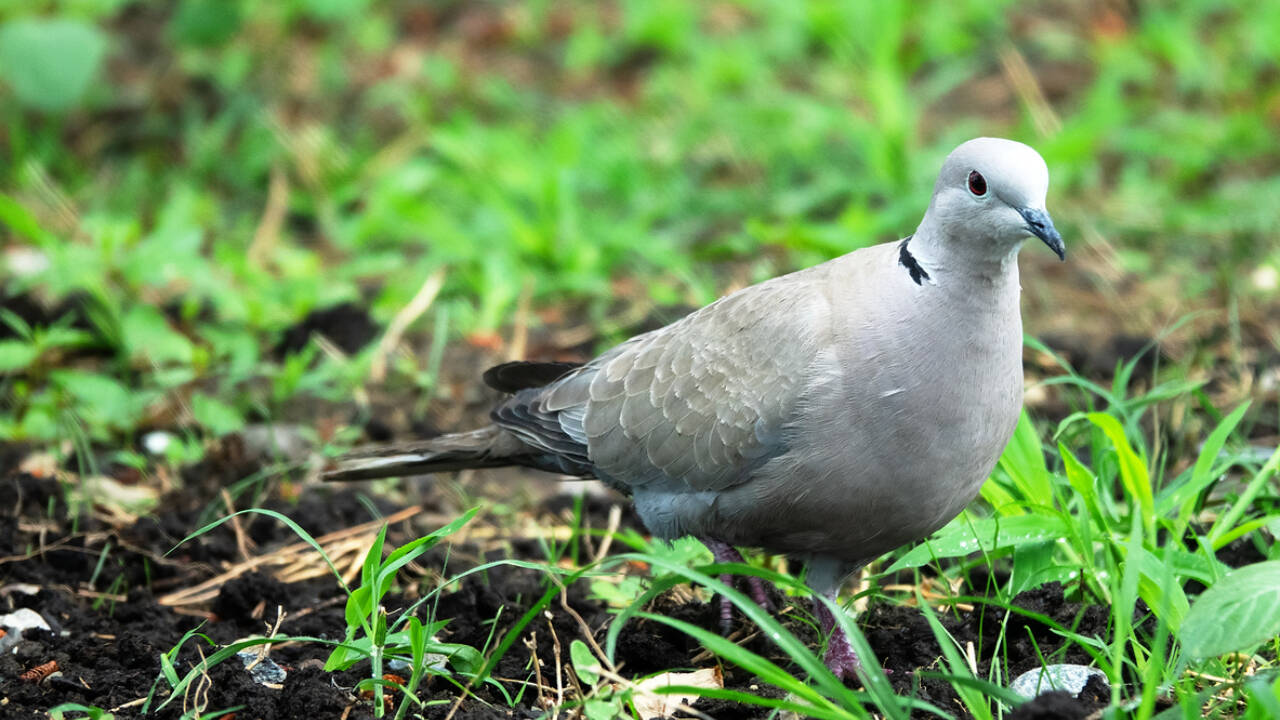
If the released turtle doves continue to thrive, they are expected to make an extraordinary journey of around 3,000 miles to sub-Saharan Africa for the winter before returning to Britain in spring.
Conservationists are cautiously optimistic, but they know that rebuilding the population will take time. The current project is not relying solely on the 30 birds released in 2026. A further 100 turtle doves are scheduled to be released in spring 2027, clarifies the report by People.Meanwhile, members of the public are helping conservationists track the released birds by reporting sightings. These observations allow researchers to monitor their movements and better understand how the birds are settling into their new surroundings. The discovery of eggs is especially encouraging because successful breeding could help create a self-sustaining population.
A Christmas story with a different ending
For generations, turtle doves have been immortalised by their appearance in The 12 Days of Christmas. Yet their real-life story has been far less joyful, marked by decades of population decline. The first eggs produced by a released bird in Hampshire offer a small but meaningful reversal of that story. With improved habitats, continued monitoring and more birds joining the programme, conservationists hope the turtle dove can once again become a familiar presence in Britain’s countryside. For a species that has come so close to disappearing, even a single nest can represent the beginning of something much bigger.Images Courtesy: istock