






Butter paper vs parchment paper: what are the differences |
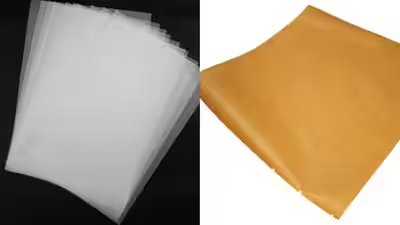
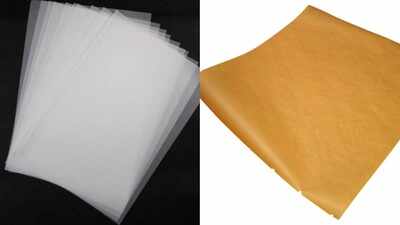
Walk into most Indian kitchens, and you’ll likely find a roll of “butter paper” tucked away for wrapping parathas, lining tiffin boxes, or packing mithai during festivals. Somewhere along the way, though, “butter paper” became the catch-all term a lot of us use for any thin kitchen paper, including the one meant for baking. The truth is, butter paper and parchment paper are genuinely different products, made differently and built for different jobs, and mixing them up in the oven can lead to more than just a ruined cake. Here’s a proper breakdown of what sets the two apart, and where each one actually belongs.
What exactly is butter paper
Butter paper is a thin, semi-transparent paper coated with a light layer of wax, usually paraffin, which gives it its smooth, slightly greasy texture and moisture-resistant quality. It’s a staple across Indian homes and bakeries for wrapping sandwiches, rotis, burgers, and sweets, and for separating layers of food during storage so nothing sticks together. What it isn’t built for, despite how often it’s used this way, is high heat. The wax coating that makes it useful for wrapping is precisely what makes it a poor, even risky, choice inside a hot oven.
What exactly is parchment paper
Parchment paper, sometimes called baking paper, starts out as cellulose fibre paper that’s treated with an acid process and then coated with silicone, which is what gives it its excellent heat resistance and non-stick surface. It’s specifically engineered for oven use, holding up well under high, sustained heat without breaking down, catching fire, or leaching anything into the food sitting on it. This is the paper meant for lining baking trays, roasting vegetables, or baking cookies, cakes, and bread directly on it.
The heat resistance gap that actually matters
This is where the two products genuinely diverge, and it’s the difference that matters most in a working kitchen. Parchment paper can comfortably withstand oven temperatures in the range of 215 to 230 degrees Celsius without melting or burning, thanks entirely to its silicone coating. Butter paper, by contrast, is built to handle only moderate warmth- think a hot sandwich or fresh-out-of-the-tawa paratha- and its wax coating can start melting, smoking, or even catching fire if it’s exposed to a hot oven, making it unsuitable for baking.
Non-stick and grease resistance, compared
Both papers do a reasonably good job of resisting grease and keeping food from sticking to whatever it’s wrapped in or placed on, but they get there differently. Parchment’s silicone coating creates a genuinely non-stick surface that baked goods lift off cleanly, which is exactly why it’s the standard choice for cookies and cakes. Butter paper’s wax coating offers decent grease resistance too, useful for wrapping oily snacks or layering biscuits in a tin, but it isn’t designed to handle the direct, prolonged heat contact that baking involves.
Where each one actually belongs in your kitchen
If you’re baking anything in the oven,cakes, cookies, roasted vegetables, tray-baked chicken parchment paper is the one you want, since it’s built specifically to handle that heat safely. Butter paper earns its place everywhere else: wrapping sandwiches and rolls for lunchboxes, lining tins for mithai and cookies at room temperature, layering biscuits so they don’t stick together in storage, or wrapping fried snacks to soak up a bit of excess oil. Neither paper is a true substitute for the other, despite how often they get used interchangeably.
So can you swap one for the other
For anything involving actual oven heat, the answer is no, butter paper simply isn’t rated for it, and using it in place of parchment risks the wax coating melting onto your food or, in worse cases, smoking or catching fire inside the oven. For cold or room-temperature uses like wrapping, layering, or short-term storage, the two are largely interchangeable, and most people won’t notice much difference. The safest rule of thumb is simple: if it’s going into the oven, reach for parchment, not butter paper.Disclaimer:This article is intended for general informational purposes only. Heat tolerance can vary slightly between brands, so it’s advisable to check the manufacturer’s packaging for specific temperature guidelines before using any paper in the oven. Avoid using butter paper, wax paper, or any non-oven-rated paper at high temperatures, as this can pose a fire hazard.