





Check the batch number and learn how to spot adulterated cumin seeds and powder at home
FSSAI’s consumer-awareness material includes simple household tests for common adulterants.
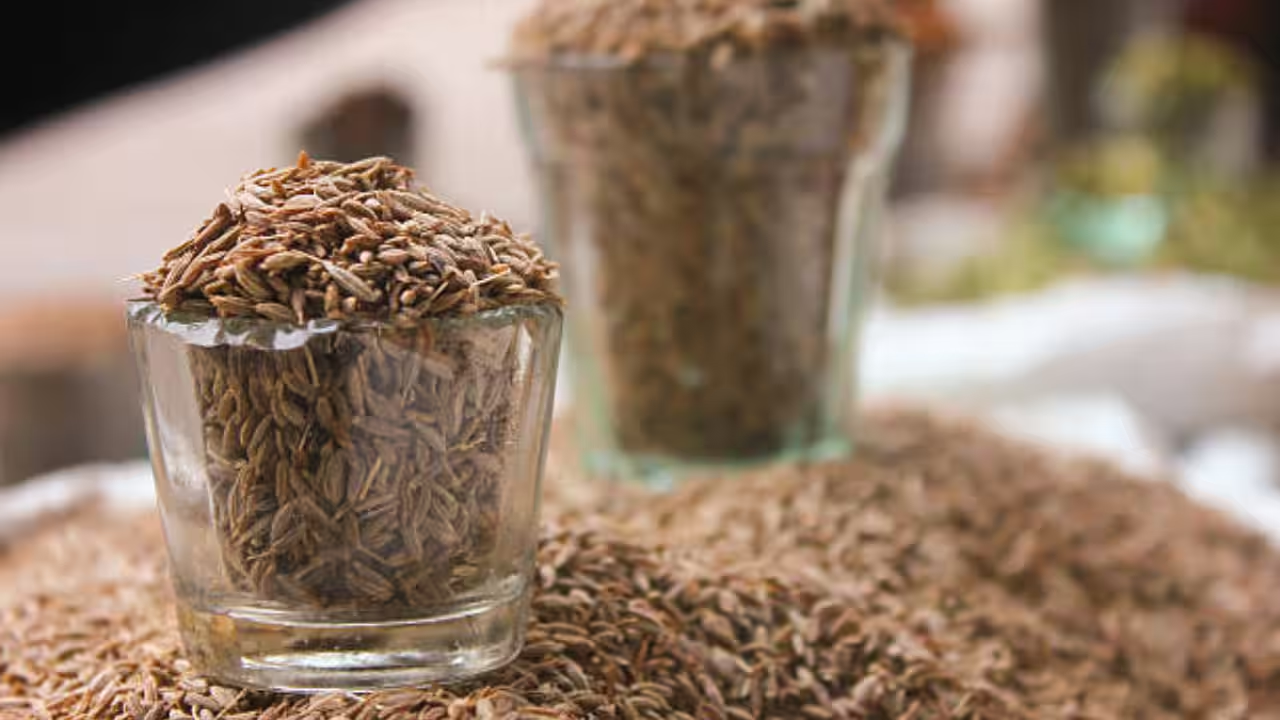
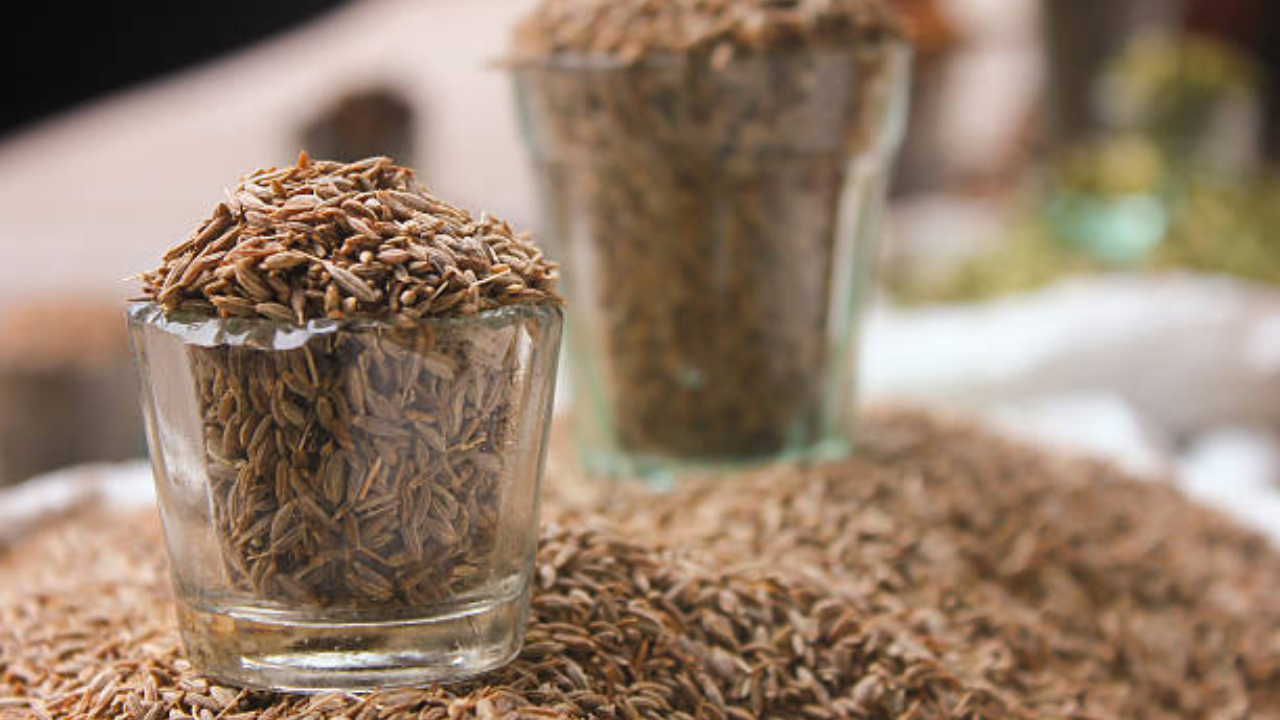
For cumin seeds, one test involves rubbing the seeds between your palms. If the palms turn black, FSSAI says it indicates possible adulteration with grass seeds coloured with charcoal dust.
Another FSSAI DART test is specifically designed to detect fennel seeds mixed with cumin. The recommended method is visual: place a small quantity of cumin seeds on a glass plate and examine them closely. Fennel seeds can be separated by careful observation.
For powdered spices, FSSAI also provides rapid household tests through its Detect Adulteration with Rapid Test (DART) programme. The regulator says its DART booklet contains more than 50 tests covering different food products and common adulterants.
But a home test is only a quick screening method. It cannot establish whether a packaged product contains pesticide residues or whether a particular chemical is above its legally permitted limit. Such findings require laboratory testing.