




David Attenborough Wildlife Documentary: Bristol woman’s garden features in David Attenborough’s wildlife documentary; cameras capture fox cubs, hedgehogs using hidden garden highways and frogs, revealing the extraordinary wildlife thriving in an ordinary urban backyard
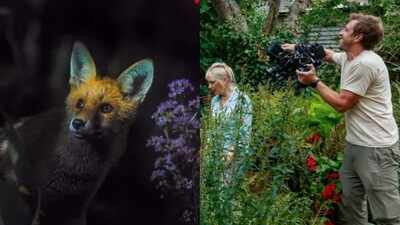
You don’t need a nature reserve to see wildlife at its most fascinating. Sometimes all it takes is a small city garden, a pond and a few gaps in the fences. A Bristol woman named Louise, known as Lou, has found that out in the most spectacular way. Her garden stars in the second episode of Secret Garden, a BBC One series narrated by Sir David Attenborough that looks at the surprising role ordinary gardens play in supporting British wildlife. Foxes, hedgehogs, frogs and more all turn up in a space barely ten metres wide.
A tiny plot with a very big cast
In the heart of Bristol, a tiny city garden just ten metres across hosts a surprising diversity of animals, and for the artist who owns it, it has become a refuge in the urban jungle. The Bristol episode, one of five in the series, first aired in April 2026. The other episodes visit gardens in places like Oxfordshire, the Lake District, the Wye Valley and the Scottish Highlands, but this one shows that you don’t need acres of land to attract life. It’s a good reminder that small spaces can matter a great deal.
Foxes on patrol, and cubs in the neighbourhood
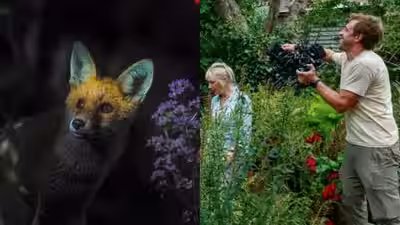
The garden is part of a much larger territory. In early spring, a male fox patrols a territory covering more than a hundred gardens, and fox cubs explore the neighbouring gardens. The episode follows how the fox father teaches one of his cubs how to make a living in the modern world, which means finding food and safe routes in a city full of streets, fences and people. It’s a glimpse of how urban foxes survive, often unseen by the very people who live beside them.
Hedgehog highways
Hedgehogs are the quieter stars of the story. Habitat loss, a lack of connection between suitable habitats, and farming and gardening practices have left hedgehogs clinging to the edges in both rural and urban areas. Lou’s garden is part of a community effort to change that. According to Garden Illustrated, she said that after she and her neighbours opened up their gardens with small gaps for hedgehogs to travel through, she saw hedgehogs for the first time since 2001. Those links between gardens are often called hedgehog highways, and they let the animals roam widely for food and mates.
A pond brings frogs, dragonflies and more
Lou’s pond became a key focus of the episode, with frogs and tadpoles as well as dragonflies all using the space, and she saw frogs and toads the season after building it. In the show, froglets emerge, and insects and spiders colonise the sun-warmed walls. Her garden is also home to around 50 species of bees, along with foxes and birds. A single pond and a few wild corners can turn a plain garden into a busy ecosystem.
Fm
Making the film wasn’t easy. The team’s wildlife cinematographer hid in a filming hide on the patio, but the foxes and hedgehogs weren’t fooled, so remote cameras and camera traps did a lot of the work. Lou said she was “chuffed to bits” that Attenborough was narrating, particularly as the series partly celebrates his 100th birthday in May. The lessons are simple and doable at home: add a small pond, make gaps in fences for hedgehogs, and leave a wild corner untidy. Check local advice before making changes.