





From 1886 to 1968, more than 20 million fish were stocked in waters that became Rocky Mountain National Park; in 2026 crews treated 14.3 miles to remove non-native fish and restore threatened greenback trout
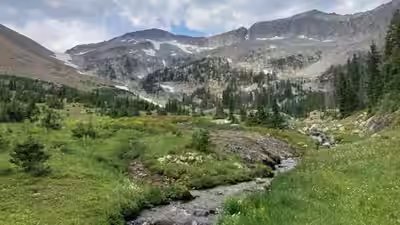
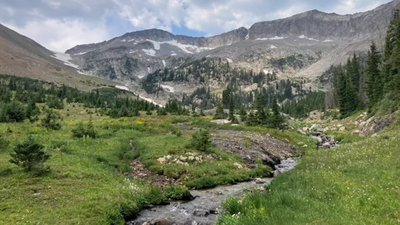
For more than 80 years, fish were deliberately introduced into the waters that would become Rocky Mountain National Park. According to the National Park Service (NPS), more than 20 million fish were stocked in waters that are now part of Rocky Mountain National Park between 1886 and 1968, most of them non-native trout. What was once intended to support recreational fishing eventually created challenges for native fish and aquatic ecosystems. In 2026, park managers are working to reverse some of those effects. As part of the Poudre Headwaters Project, crews treated waterways connected to the 14.3-mile Grand Ditch to remove non-native fish and prepare habitat for the recovery of the federally threatened greenback cutthroat trout.
A long history of stocking
Fish stocking began in the area in 1886, before Rocky Mountain National Park was established. Colorado stocked fish into mountain waters to create and expand opportunities for recreational fishing. The programme grew over the following decades. Hatcheries were established in Estes Park and Grand Lake, producing large numbers of fish for release into local waters. Some of the introduced species were not naturally found in the region. Fish were even stocked in certain waters that had historically been fishless. By 1968, more than 20 million fish had been introduced into waters that are now part of the national park. Non-native fish had become established across much of the park’s aquatic environment.
Why the approach changed
The park’s fish-management philosophy eventually shifted from increasing fishing opportunities to protecting native ecosystems. The National Park Service issued formal guidance on fish management in 1936, encouraging the use of native fish and discouraging the introduction of non-native species. Stocking in historically fishless waters was also prohibited. By 1968, fish stocking had stopped.However, ending stocking did not remove the non-native trout that were already established. Species such as brook trout remained in streams and could compete with native fish for food and habitat. That left park managers with a more complicated task: removing introduced fish from selected waterways so native species could recover.
Restoring greenback trout
The greenback cutthroat trout is one of the native species targeted by the restoration programme. These trout historically occupied Colorado’s mountain waters, but their populations have been affected by competition and interactions with introduced fish. Brook trout can compete with greenback cutthroat trout for resources, making the removal of non-native fish an important part of restoring native populations. The aim is not simply to reduce the number of fish in a stream. Instead, managers want to restore waterways where native trout can survive, reproduce and eventually expand their populations.
The 2026 project
The latest work is part of the Poudre Headwaters Project, a large-scale effort to restore native trout habitat in the headwaters of the Cache la Poudre and Colorado River watersheds. The project includes the Grand Ditch, a historic water-diversion system that extends for about 14.3 miles. In August 2026, another phase of the project took place in the Kawuneeche Valley. Some areas were temporarily closed from August 24 to August 30 while crews conducted the work. The treatment targeted non-native fish in the Grand Ditch and connected waterways inside Rocky Mountain National Park.
Removing non-native fish
Completely removing fish from remote mountain streams can be difficult using conventional methods. Electrofishing, nets and angling can remove fish in some situations, but they may not be sufficient when managers need to eliminate non-native populations from an entire connected drainage. For the Poudre Headwaters Project, crews use rotenone, a fish toxicant, in targeted waterways. The treatment is controlled to prevent the chemical from affecting areas outside the project zone. Potassium permanganate is used downstream to neutralise rotenone, while the chemical also breaks down naturally over time. This allows crews to treat waterways that would otherwise be difficult to clear completely.
A different future
The work represents a major reversal of a practice that lasted more than eight decades. Fish were once introduced to make mountain waters more attractive to anglers. Today, managers are deliberately removing some of those same introduced species to give native trout a better chance of returning. The restoration will not undo the history of stocking overnight. But by removing non-native fish and restoring suitable habitat, the Poudre Headwaters Project is working toward a landscape where greenback cutthroat trout can once again occupy parts of their native range. The effort shows how conservation priorities can change over time: what was once considered beneficial for recreation can later require active restoration to protect the ecosystem.