






How parents can create an emotionally safe space for children at home
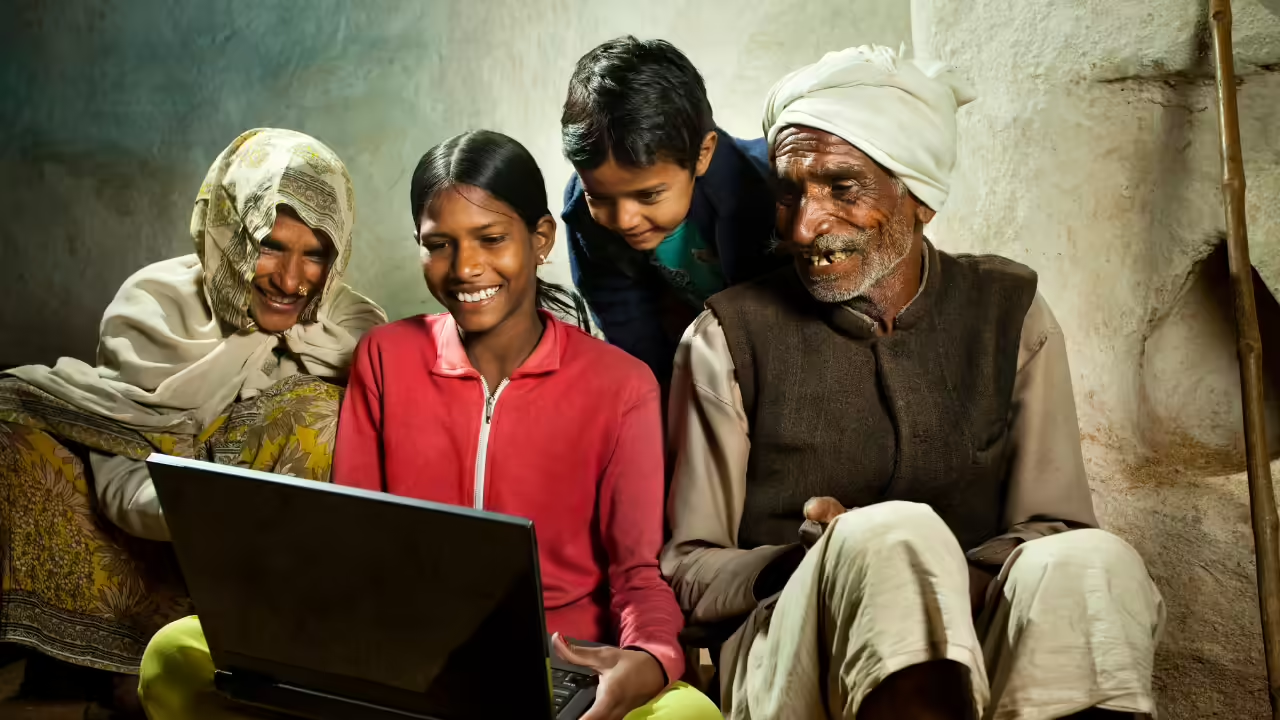
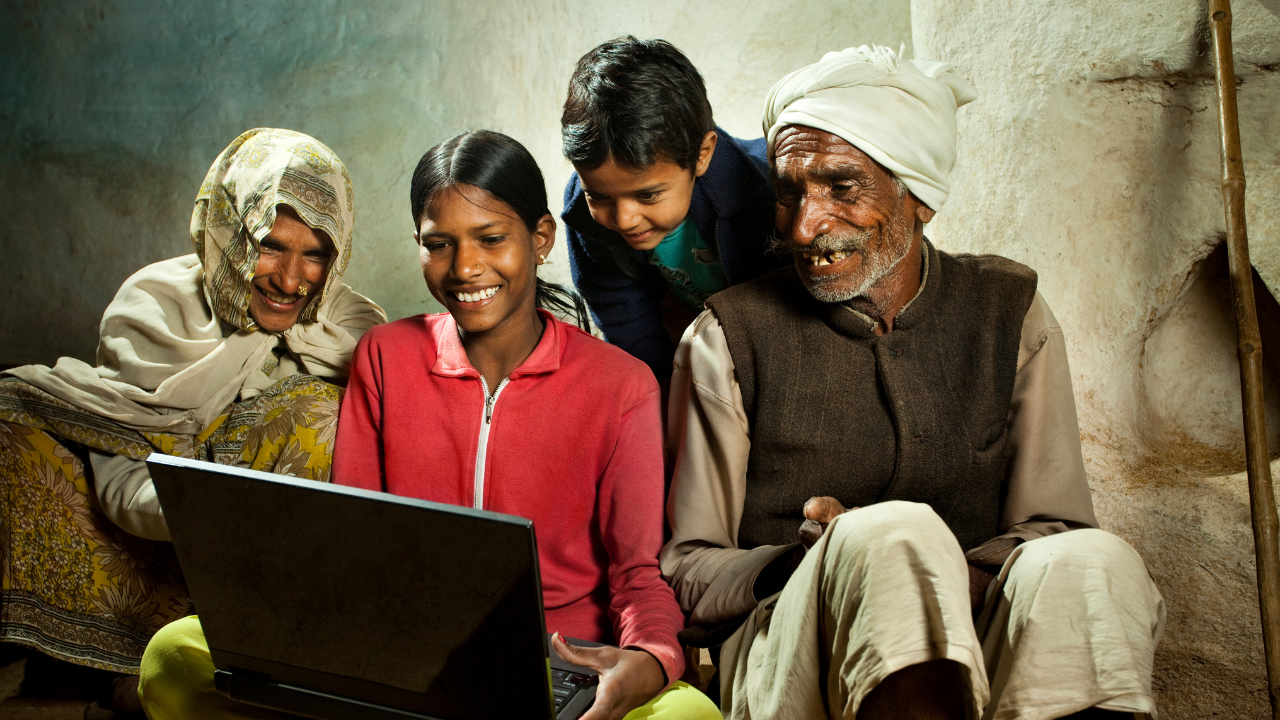
A child does not need a perfect home. They need a home that feels safe enough to be honest in. In many families, children grow up physically cared for but emotionally unheard, praised for achievements, corrected for mistakes, and quietly trained to keep difficult feelings to themselves. An emotionally safe home changes that. It tells a child, through words and behavior, that their feelings are not a problem to be managed but a reality to be understood. At its heart, emotional safety begins with how adults respond when a child is upset. A child who is crying, angry, scared or withdrawn is not being difficult by default. Often, they are communicating something they do not yet have the language to explain. When parents meet that moment with patience instead of ridicule, the child learns a lasting lesson: my feelings can be shared without making me unloved. Scroll down to know more…