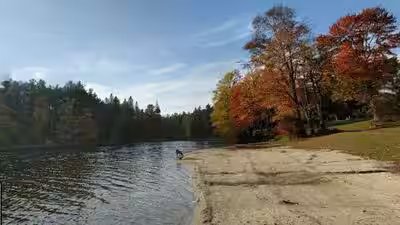






In 1940, a Texas family acquired the ranch where generations grew pecan trees and spent holidays; 86 years later, they sold its 650 lakefront acres for more than $10 million so the land can become a state park
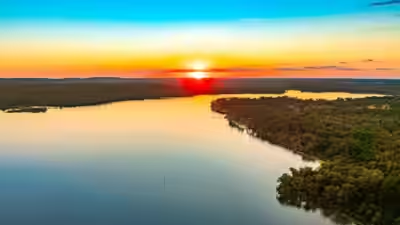
A family-owned ranch on Lake Palestine in East Texas is set to become a new state park, following the purchase of 650 acres by the Texas Parks and Wildlife Foundation. The October 2026 acquisition, reported by The Texas Tribune and supported by announcements from the Texas Parks and Wildlife Foundation and the Texas Parks and Wildlife Department, secures a substantial stretch of lakefront for future public recreation and conservation. The property in Henderson County has belonged to the Pollard family since 1940. Once associated with the family’s Texas Pecan Nursery business, the ranch has served as a place for growing pecans, hunting, fishing and gathering across generations. Its sale will turn a privately held family landscape into a public destination, although visitors will have to wait several years before the park is fully developed.
A family legacy becomes public land
For the Pollard family, the transaction marks a significant change in the future of a property woven into its history. The ranch’s pecan orchard remains one of its defining features, alongside its wooded landscape and lake views. The sale was brokered by TexasLand, which represented the family. The property had been under contract for nearly a year while state officials conducted site visits, environmental assessments and planning evaluations to determine whether it could support a state park.The foundation completed the purchase for more than $10 million in October 2026. Rather than transferring the property immediately to the state, the nonprofit will hold the land until the Texas Parks and Wildlife Department can acquire it, a transaction currently anticipated for late 2027.
Why the ranch stood out
Located approximately 18 miles west of Tyler and 20 miles east of Athens, the property includes roughly 2,000 feet of frontage on Lake Palestine. Its landscape combines pine forest, native grasses, a pecan orchard, a lake reaching depths of about 58 feet and approximately 10 ponds.The area also supports wildlife, including white-tailed deer, bobcats and waterfowl. Together, the natural habitat and extensive shoreline make the property suitable for a mix of conservation and outdoor recreation.For the state, acquiring the ranch would also create a public access point on a popular East Texas lake. Potential activities include boating, paddling, swimming and fishing, alongside hiking trails, campsites and day-use facilities. Scenic views from the lake’s bluffs could become another attraction.
A funding strategy designed to protect the opportunity
The foundation’s interim ownership is intended to give the state more time to prepare for the purchase while allowing money in the Centennial Parks Conservation Fund to earn additional interest. Texas voters approved the $1 billion fund in 2023 to support the acquisition and development of parks. The delayed transfer would allow the state to use the fund when it is ready to take ownership and begin developing the site.The arrangement also illustrates how a conservation nonprofit can help secure land before public funding is ready to complete a transaction. By stepping in first, the foundation has helped prevent the opportunity from slipping away while the state completes its process.
The park will open in stages
Even after the state takes ownership, the property will not immediately operate as a fully developed state park. Officials plan to begin with guided access before introducing day-use facilities and, eventually, overnight stays. The Texas Parks and Wildlife Department also intends to restore habitat and seek public input on how the property should be developed. Those steps will help determine the balance between recreational access and protecting the land’s ecological features.For the Pollard family, the sale offers a way for a place shaped by decades of private memories to serve a wider community. For Texas, it secures a large, largely undeveloped tract of lakefront that can be preserved while creating new opportunities for people to experience the outdoors.