




In 2026, volunteers began planting 30,000 trees to rebuild the wetland forest that once shielded New Orleans from storms | World News
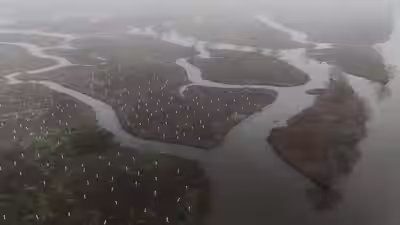
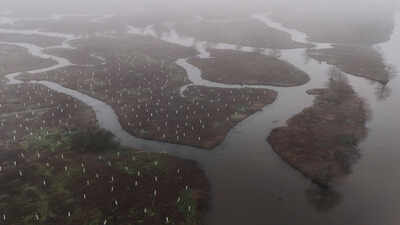
In the wetlands behind a pumping station near Lake Borgne in Meraux, Louisiana, hundreds of young saplings stand wrapped in white plastic cylinders as volunteers ferry them through the marsh by airboat. The goal is to plant more than 30,000 native trees, mainly bald cypress and water tupelo, across the Central Wetlands around New Orleans and St. Bernard Parish, restoring a forest that once formed an important natural buffer between open water and nearby communities. According to reporting by The Associated Press, much of that forest had already been degraded by decades of logging and saltwater intrusion before Hurricane Katrina struck in 2005, while the storm caused further destruction by bringing a massive surge of saltwater into the wetlands. More than two decades later, a coalition of local environmental organisations is nearing the end of a four-year restoration effort designed to put thousands of native trees back into the landscape.
Why the Central Wetlands lost the forest that once protected New Orleans
The area targeted by the planting effort, known as the Central Wetlands, spans Orleans and St. Bernard parishes and had been degrading for decades before Katrina. Historic logging removed much of the original forest, while construction of the Mississippi River-Gulf Outlet, or MRGO, fundamentally altered the wetlands by allowing saltwater to penetrate areas that had historically supported freshwater swamp vegetation. The channel, which stretched about 76 miles through the wetlands, contributed to the destruction of the cypress swamp that had provided a natural buffer for communities including the Lower Ninth Ward.Hurricane Katrina delivered another major blow in 2005. The storm’s surge pushed large quantities of saltwater into the already degraded wetlands, killing much of the remaining freshwater vegetation. MRGO also contributed to the storm’s impacts in St. Bernard Parish and the Lower Ninth Ward by altering the landscape and providing a pathway through which storm surge reached vulnerable communities. The canal was eventually closed in 2009, and the resulting decline in salinity helped create conditions in which freshwater swamp restoration became possible again.
How volunteers are replanting bald cypress and water tupelo across the wetlands
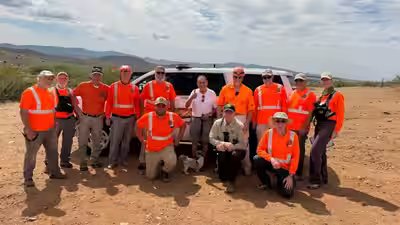
The reforestation effort is being carried out by the Central Wetlands Reforestation Collective, a partnership that includes the Coalition to Restore Coastal Louisiana, Common Ground Relief, the Lower 9th Ward Centre for Sustainable Engagement & Development, the Meraux Foundation and Pontchartrain Conservancy, with support from state and federal agencies and the St. Bernard Wetlands Foundation. The broader project calls for more than 30,000 native trees, along with 33,000 plugs of marsh grasses and aquatic vegetation.Getting trees into these remote, waterlogged areas requires airboats rather than conventional vehicles, and volunteers have been making repeated trips to planting sites with equipment and supplies. The Coalition to Restore Coastal Louisiana is responsible for 15,000 of the trees in the broader project and had planted about 10,000 by February 2026, according to Andrew Ferris, the organisation’s senior coordinator for its native plants programme. He said the group expected to complete its portion within the following year. Young trees are placed inside protective white plastic sleeves as they establish themselves in the wetland environment.
What restoring the wetland forest could mean for New Orleans as the land keeps sinking
The restoration is about more than bringing trees back. Organisers want the new forest to anchor soil, create higher-quality habitat and help reduce the effects of storms on nearby communities. Healthy wetlands can absorb and slow some storm surge before it reaches developed areas, although the newly planted trees will need substantial time to grow before they can recreate the ecological functions of a mature swamp forest.The project is also taking place in a region where coastal land loss and subsidence continue to threaten wetlands and communities. The Central Wetlands Reforestation Collective says the area was historically dominated by bald cypress and water tupelo swamp, freshwater marsh and bottomland hardwood forest. Its restoration work is intended to rebuild some of those ecosystems while reconnecting communities with the landscape around them.With the four-year planting effort approaching its final phase, organisers are already looking beyond the current 30,000-tree target. The trees cannot recreate a mature forest overnight, but the goal is to establish the foundation for an ecosystem that can hold soil, support wildlife and provide a natural buffer against future storms. For a landscape transformed by logging, industrial development, saltwater intrusion and hurricanes, the first step toward rebuilding that forest is simply putting the trees back in the ground.