






Indian travellers are surprised by this side of Seychelles; it’s Not the beaches
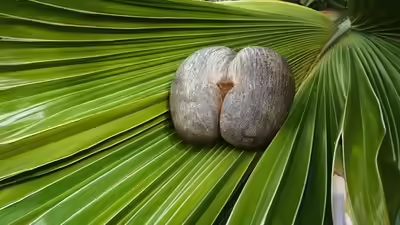
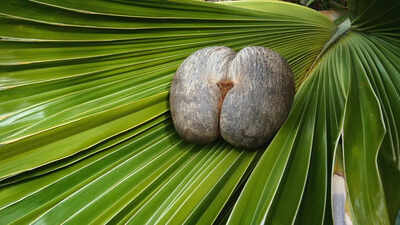
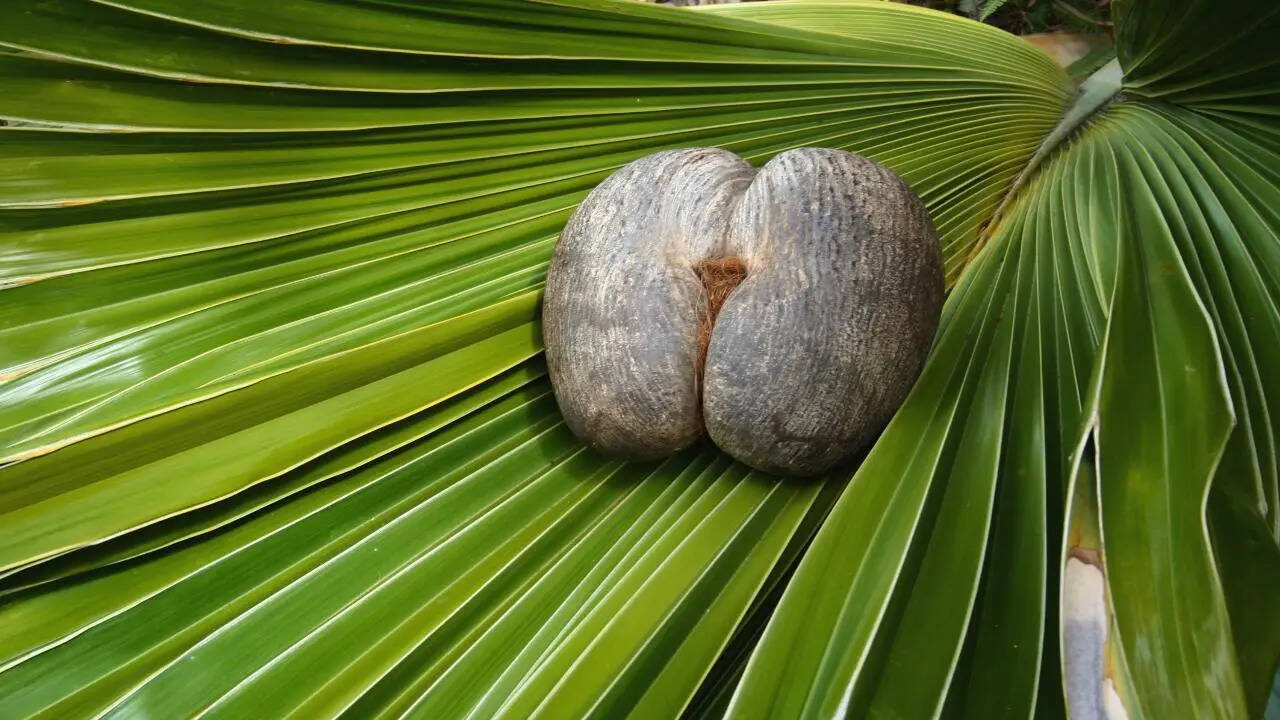
In Seychelles, fruits aren’t just something you have on the side. You don’t realise it immediately, but they show up everywhere—at a slow breakfast where the fruit platter somehow looks brighter than usual, or at a roadside stall where someone casually slices open something you can’t quite identify. What starts as “let me just try this” quickly turns into “wait, what is this?” and then quietly becomes part of how you experience these islands.Somewhere between that first sip of fresh coconut water and a tangy slice of lime handed over with a smile, something shifts. It almost feels like you’ve stepped into your own little Moana moment—where the island isn’t just a pretty backdrop, but something alive, expressive, and full of personality. And oddly enough, it’s the fruit that brings that feeling to life.This is, after all, a destination defined by something as unique as the stories of Coco de Mer. While you won’t find it on your plate, it sets the tone for what follows—produce that feels deeply tied to the rhythm of island life. Some fruits are completely unfamiliar, some remind you of home, but all of them taste just a little more intense, a little more real.The Ones You Didn’t See Coming
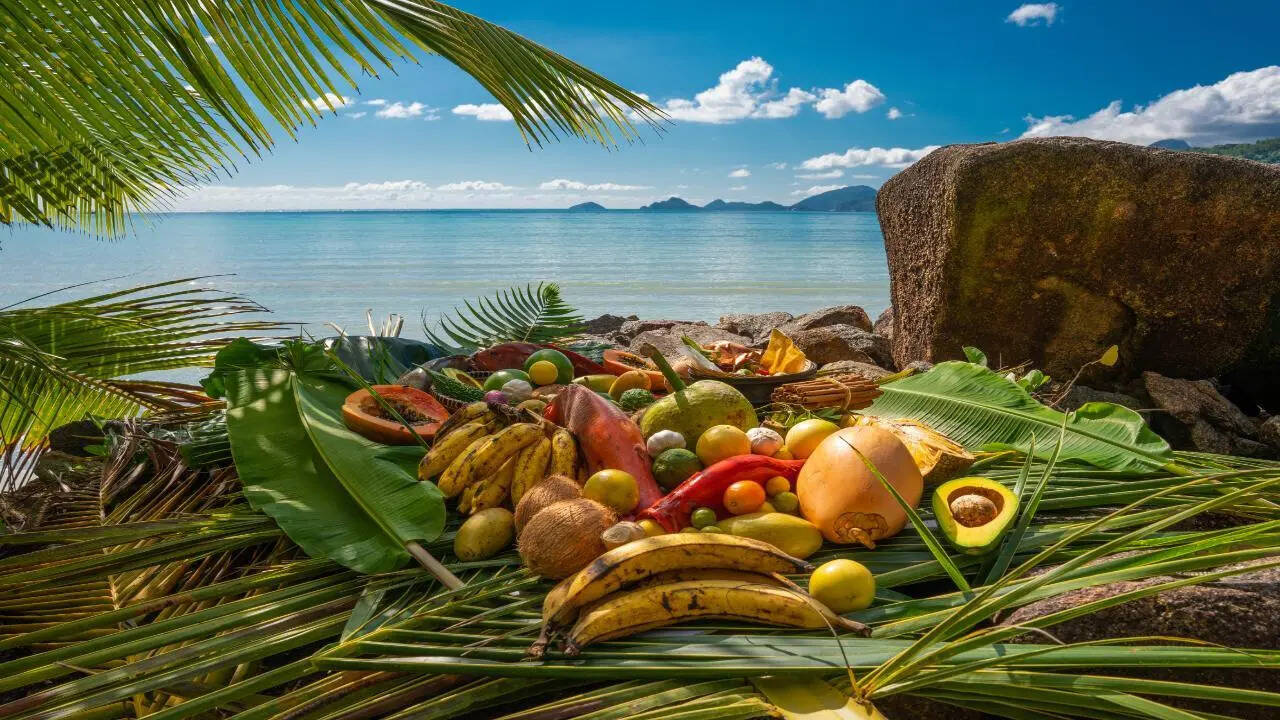
Canistel (Eggfruit)Canistel can be confusing at first. It looks like it should be juicy, but the texture is dense—almost like a boiled egg yolk. Mildly sweet, it’s not something you instantly love, but it works beautifully in smoothies or desserts, where the texture becomes smoother and more balanced.Sea GrapesThese look almost too pretty to eat—tiny green beads clustered together like pearls. Bite into them, though, and you get a light, salty freshness that feels like the ocean, just toned down. Found near coastal areas, they somehow taste exactly like where you are.Zanbroza (Ambarella)Zanbroza is crisp, tangy, and slightly fibrous, delivering a sharp burst of flavour that wakes up the palate. Often eaten raw, sometimes paired with salt or chilli, it carries a familiarity for Indian travellers, yet feels entirely new in its tropical setting. Simple, refreshing, and surprisingly addictive.BreadfruitBreadfruit doesn’t look like much at first, but it’s one of the most important ingredients in Seychellois cuisine. Once cooked, it becomes soft, warm, and deeply comforting—somewhere between a potato and fresh bread.It’s often served alongside grilled fish or in traditional Creole curries, making it less of a novelty and more of a staple. There’s also a local saying: if you eat breadfruit in Seychelles, you’ll return—a belief locals share with quiet certainty. Fried, roasted, or turned into chips, it’s one of those foods that slowly becomes a favourite.JaboticabaThere’s something quietly fascinating about jaboticaba. The fruit grows directly on the trunk of the tree, creating an almost surreal visual. Small, dark, and glossy, it bursts with a mildly tart yet sweet flavour when bitten into. Playful and unexpected, it’s the kind of detail that makes you pause.SoursopSoursop is all about texture—soft, creamy, and slightly fibrous, rich enough to feel like a dessert. Its flavour sits somewhere between sweet and tangy, and it’s usually enjoyed fresh or as a chilled juice. Perfect for warm, slow afternoons.The Familiar, But Not QuiteMangoesMangoes in Seychelles feel brighter, softer, and less fibrous, with a sweetness that arrives instantly—as if the flavour has been turned up just a notch. For Indian travellers, it’s familiar territory, but still feels entirely different.Coconuts
Here, coconuts become part of your daily rhythm. Freshly cut and naturally sweet, they’re as much about hydration as they are about slowing down. Whether picked up from a beachside vendor or enjoyed at a resort, they carry a simplicity that feels deeply in tune with island life.PassionfruitPassionfruit arrives with confidence—sharp, aromatic, and intensely flavourful. It adds a brightness that cuts through everything else. Whether stirred into juices, desserts, or eaten fresh, it brings a refreshing, energising contrast.MangosteenMangosteen is quieter in comparison, but no less memorable. Beneath its thick exterior lies soft, fragrant flesh that is gently sweet with a hint of tang. It doesn’t demand attention, but it lingers just enough to stay with you.Where Can You Experience This?
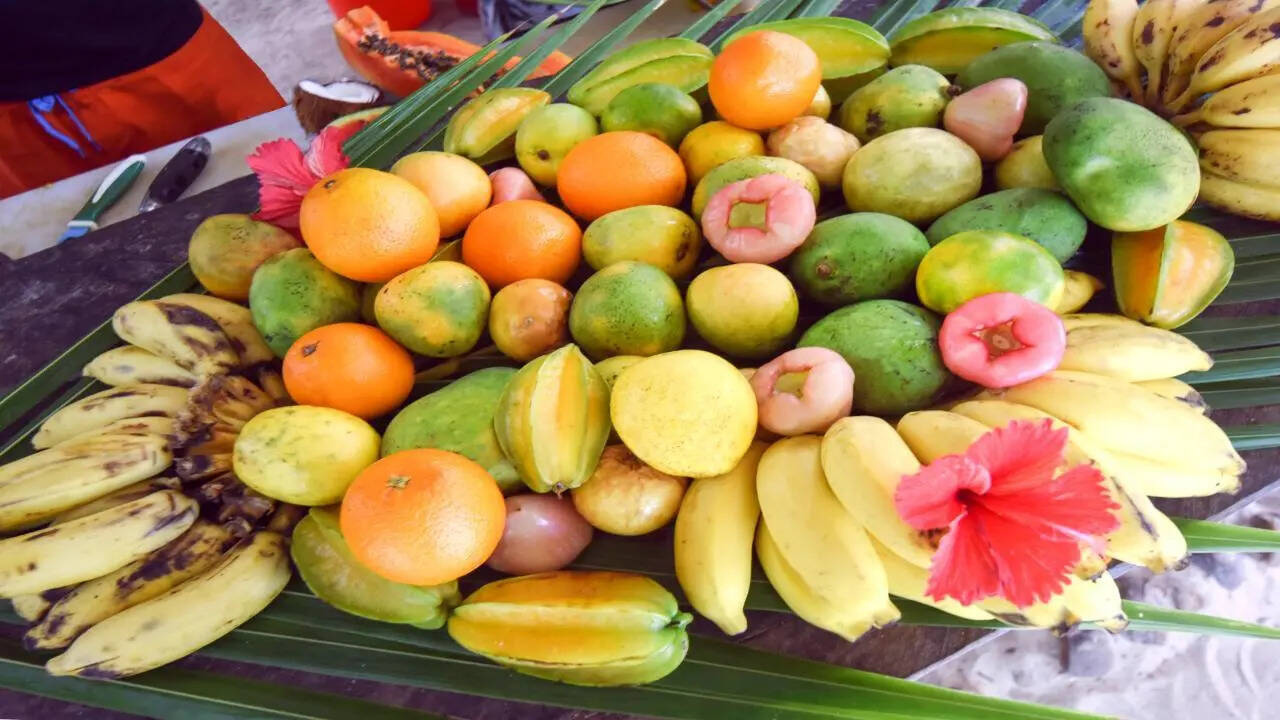
You’ll spot these fruits at markets, beaches, and hotel spreads—but for a more immersive experience, head to Vallée des Fruits on Mahé. Tucked into the lush hills of Barbarons, this plantation brings together fruit orchards, spice gardens, and small-scale farming in a way that feels both simple and intentional.The experience here is unhurried. You walk through rows of mango, guava, and passionfruit trees, understand how the produce grows, and—depending on the season—taste fruits straight from the source. There are small but memorable touches along the way, from thoughtfully presented fruit tastings to Creole cooking experiences that turn fresh harvests into a meal.A quiet highlight is the estate’s tribute to the Coco de Mer, Seychelles’ most iconic natural symbol—reinforcing how closely the island’s identity is tied to what grows here.Seychelles may draw you in with its beaches, but it’s often these smaller, everyday details that stay with you. Somewhere between a roadside fruit stop and a bite of something unfamiliar, the experience shifts. You stop just seeing the islands—and start noticing what you’re tasting.