






Iya Krish: This Kerala girl climbed North Africa’s highest peak at 8; her father’s parenting came down to one question: “I asked her if she wanted to give up… she said a strict no”


Every parent dreams of seeing their child reach great heights. But very few stop to ask what truly helps a child get there. Is it talent? Expensive coaching? Constant praise? Or is it something far simpler- giving children opportunities to struggle, trust, and discover what they are capable of?Eight-year-old Iya Krish from Kerala has offered a remarkable answer.
3 Jul 2026 | 12:38
How do you teach children about money and financial responsibility?
The Thrissur-born child, who now lives in Fujairah, UAE, recently scaled Mount Toubkal in Morocco, North Africa’s highest peak at 4,167 metres. While the achievement has made headlines, the story behind is as much about parenting as it is about mountaineering.
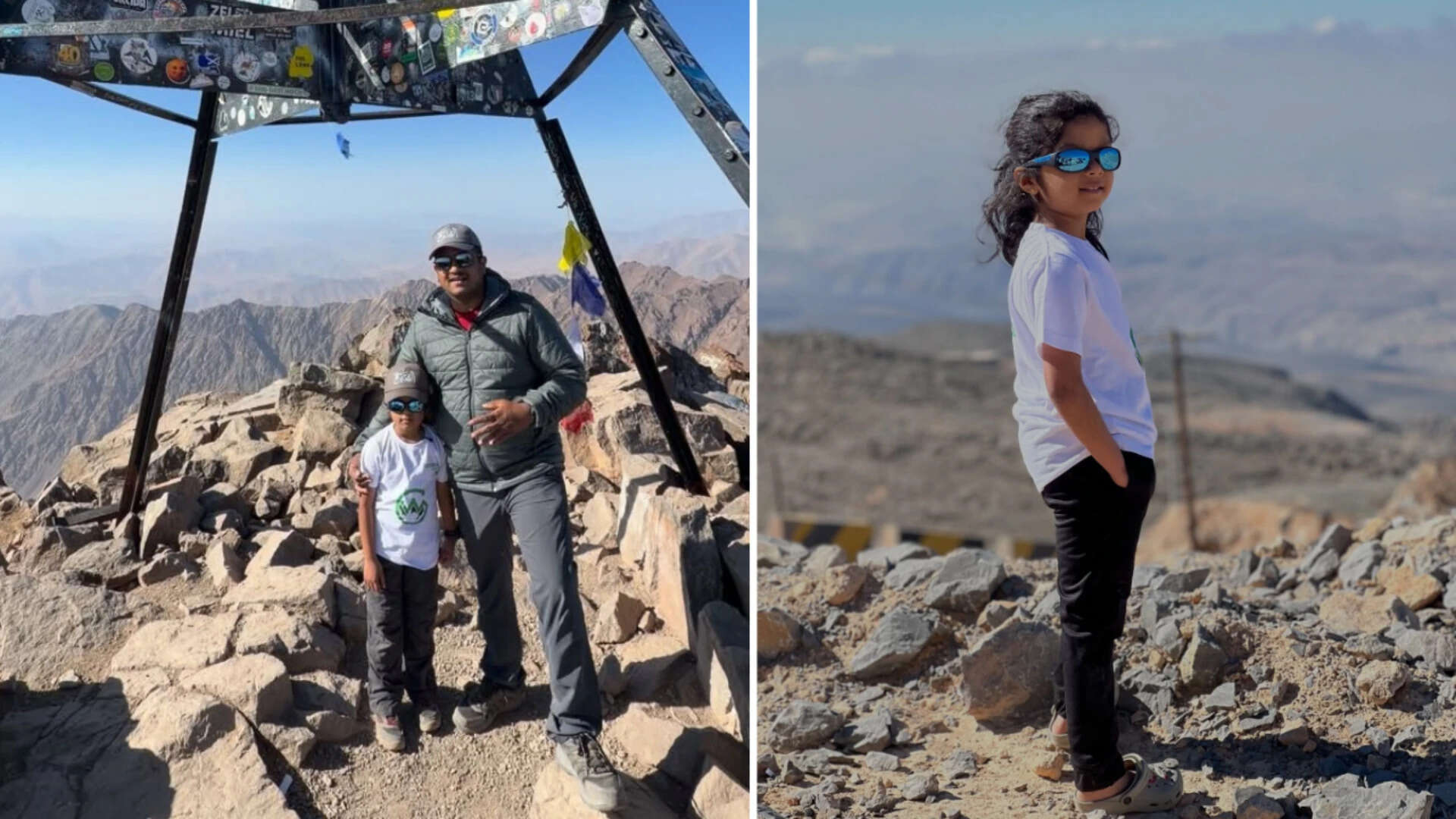
Photo: Instagram/@iya_krish
Like many childhood passions, Iya’s love for mountains began almost accidentally. Her father, Krishna Raj, first noticed something unusual when she accompanied him on the Sabarimala pilgrimage at the age of five. “I saw that she was agile, ebullient, and didn’t make any fuss. She was scampering around, like some fluff, melting into the thin air around. That is when I felt maybe I should take her with me when I go up the mountains,” Krishna Raj told The Hindu. Rather than dismissing her enthusiasm as childish excitement, he chose to nurture it.Instead of immediately aiming for ambitious summits, Iya gradually started joining her father on shorter mountain hikes across the UAE. Weekends became training sessions rather than lectures. She climbed local peaks in Ras Al Khaimah and Fujairah, while also practising Kalaripayattu to improve her strength and agility.
Resilience is built when children are allowed to face difficulty
The successful summit of Mount Toubkal was not their first attempt. Earlier expeditions had to be abandoned because harsh winter conditions made the mountain unsafe. Instead of treating the setback as failure, the family simply postponed the dream. “We dropped the attempt then but resolved to try again, in summer. That is how we summited this time,” Iya recalled.Many parents instinctively try to shield children from disappointment. Yet experiences like these teach one of life’s most valuable lessons- that delays are not defeats. Children who learn to return after setbacks often develop far greater resilience than those who never encounter obstacles at all.
Good parenting doesn’t remove challenges
Perhaps the most powerful moment during the climb came when exhaustion naturally set in. Recalling the trek through the rugged mountain, Krishna Raj remembered asking his daughter whether she wanted to stop. “I asked her if she wanted to give up and come another day; she said a strict no.”Notice what he didn’t do. He didn’t force her to continue. He didn’t shame her into finishing. He simply gave her the choice. The determination came from the child herself.
Adventure teaches lessons no classroom can
Ask Iya what she remembers most, and she doesn’t talk about records. She remembers wonder. “It was very beautiful; adipoli.” Later, describing what mountains mean to her, she said:“It makes me feel at home; there is adventure in the air and the feeling that I am on top of the world.” Children often remember experiences far more vividly than achievements.Family adventures- whether trekking, camping, cycling or exploring nature- develop confidence, curiosity, adaptability and emotional resilience in ways that structured lessons rarely can.What doesn’t take the limelight in Iya’s story is a father who recognised curiosity. He gave the child real experiences instead of constant instructions. It is about allowing setbacks, offering choices, and trusting a child to discover her own strength.