






On Christmas Eve 2018, cracks forced residents from Sydney’s Opal Tower; after nearly eight years of repairs, relocations, a class action and two legal cases, the complex has been declared defect-free
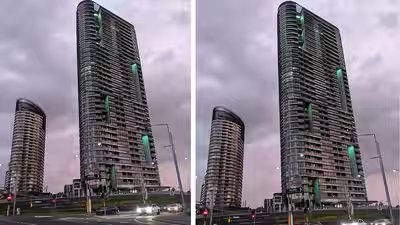
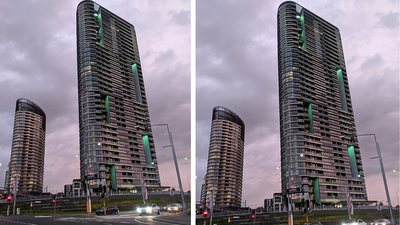
Sydney’s Opal Tower has been declared defect-free nearly eight years after structural cracks forced residents to leave their homes on Christmas Eve 2018. What began as an emergency evacuation at the newly built residential complex led to years of repairs, temporary relocations, compensation efforts and legal disputes. According to ABC News, which reported the development, the building’s owners corporation marked the milestone at a ceremony following the extensive rectification work. A New South Wales Parliament inquiry report and the Supreme Court of NSW’s records provide the official background to the building’s defects and the class action that followed.
Christmas Eve cracks triggered an evacuation
The Opal Tower, a 36-storey residential building at Sydney Olympic Park, became the focus of an emergency response on December 24, 2018, after cracks appeared in its structure. Residents were evacuated as authorities assessed whether the building was safe. The incident forced thousands of people to evacuate and raised wider concerns about construction quality in Australia’s apartment sector.The damage was not confined to a single visible crack. Further cracking was identified in the days that followed, prompting continued inspections and investigations. The New South Wales Government commissioned a technical investigation into what had gone wrong. Its findings pointed to construction and material deficiencies that required significant rectification work before the building could be considered safe. The incident also drew attention to the responsibilities of developers, builders, engineers and regulators when serious defects emerge in recently completed residential buildings.
Repairs and relocations continued for years
Getting residents back into their homes took time. While some apartments were cleared for reoccupation relatively quickly, others remained uninhabitable months after the evacuation. The New South Wales Parliament’s report on building standards and disputes recorded that 170 apartments were still uninhabitable in June 2019. By September that year, most residents had returned, although some were still waiting to move back.The repair process involved extensive work to address the structural problems identified during investigations. Owners and residents also had to deal with the practical consequences of relocation, including uncertainty about when they could return and how the defects would be resolved. The building’s recovery therefore extended far beyond the initial emergency. Years of rectification work and negotiations were needed before the owners corporation could announce the latest milestone.
A class action and two legal cases
The aftermath also unfolded in court. The Supreme Court of New South Wales records the class action Terry Williamson v Sydney Olympic Park Authority, filed in 2019. The proceedings formed part of the efforts by apartment owners to pursue accountability and address the consequences of the building’s defects. The court’s case page lists the class action as completed, with a settlement approved.The class action was not the only legal dispute linked to Opal Tower. ABC News’ report describes two legal cases among the developments that followed the evacuation and years of rectification. These proceedings added to the complexity of resolving the building’s problems, as the parties involved faced questions about responsibility, repair costs and compensation. For owners, the legal process was closely tied to the wider effort to restore confidence in their homes and resolve the financial consequences of the incident.
Opal Tower declared defect-free
On October 10, 2026, ABC News reported that Opal Tower’s owners corporation had declared the building defect-free at a ceremony marking the completion of the rectification process. The report quoted owners corporation chairman Shady Eskander, who said the rectification work had involved consultants, the builder and others connected with the building’s design and construction.The report also said owners had been compensated and the legal matters resolved. A 20-year structural warranty was another part of the building’s position following the repairs. The declaration marks a significant change for a complex that became widely associated with structural cracking and questions about building standards. It also comes amid broader scrutiny of construction quality and regulation in New South Wales, issues examined in the Parliament’s inquiry into building standards, quality and disputes.
A long road from evacuation to resolution
The declaration does not erase the disruption that began on Christmas Eve 2018. Residents faced an abrupt evacuation, months of uncertainty for some households, lengthy repair work and legal proceedings before the building reached this point. Nearly eight years later, Opal Tower’s reported defect-free status represents the culmination of those efforts. The episode remains a prominent example of how serious defects in a newly completed residential building can affect residents well beyond the initial discovery, with repairs, relocations, compensation and legal disputes extending over years.