





Psychology says parents who put their kids’ medals and drawings on the fridge may be saying more than “we’re proud”
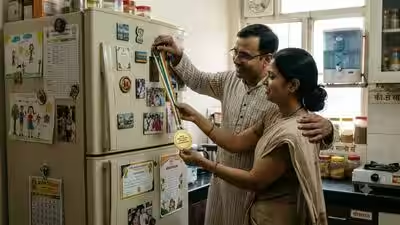
Walk into a family kitchen, and you may find the refrigerator covered with colourful drawings, school certificates, photographs, tiny craft projects, or a child’s first medal. To some, it may look like a simple parenting habit. To others, it may seem like parents showing off their child’s achievements. But psychology suggests there can be much more behind this small everyday gesture. When parents put a child’s work somewhere everyone can see it, they are not only decorating the kitchen. They may be showing the child that their effort has been noticed and that what they create has value. The meaning, however, depends largely on what parents choose to celebrate: the child’s natural talent or the effort that went into the achievement.
It can tell a child, “What you did matters”
28 Jul 2026 | 16:22
How do you teach children about money and financial responsibility?
Children learn how to see themselves partly through the reactions they receive from the adults around them. A drawing that looks ordinary to an adult may represent hours of imagination and effort for a child. So, when a parent puts that drawing on the refrigerator instead of putting it away in a drawer, the child receives a simple but powerful message: “We saw this, and it matters to us.” This connects with self-determination theory, developed by psychologists Edward Deci and Richard Ryan. The theory identifies three basic psychological needs: competence, autonomy, and relatedness.Competence is the feeling that you are capable and can do things well. Relatedness is the feeling of being valued and connected to others. A child seeing their painting, certificate, or medal displayed at home may experience both. It can make them feel capable while also reminding them that their family cares about what they do. That does not mean putting a drawing on the fridge automatically creates confidence or a “growth mindset.” Psychology does not support such a simple cause-and-effect conclusion. But visible recognition can become one small part of a supportive family environment.
The praise behind the picture may matter more than the picture

Imagine two children bringing home medals. One parent says, “You are naturally brilliant. You are the smartest child here.” Another says, “You worked so hard for this. I saw how much you practised.” Both parents are proud. But the messages are different. Research involving psychologist Carol Dweck and colleagues has examined how different forms of praise can influence children’s beliefs about ability. Praise that focuses on effort, strategies, and the process of learning can be associated with a more incremental view of ability, the belief that skills can develop.That is why the words surrounding a refrigerator display may matter as much as the display itself. A painting pinned to the fridge does not have to mean, “My child is the best artist.” It can mean, “My child tried something and created something, and I am proud of that effort.” This distinction becomes especially important when children face failure. If they believe their worth comes only from being talented or winning, setbacks can feel threatening. If they understand that practice and learning matter, failure can become easier to handle.
Your refrigerator can become a family memory board
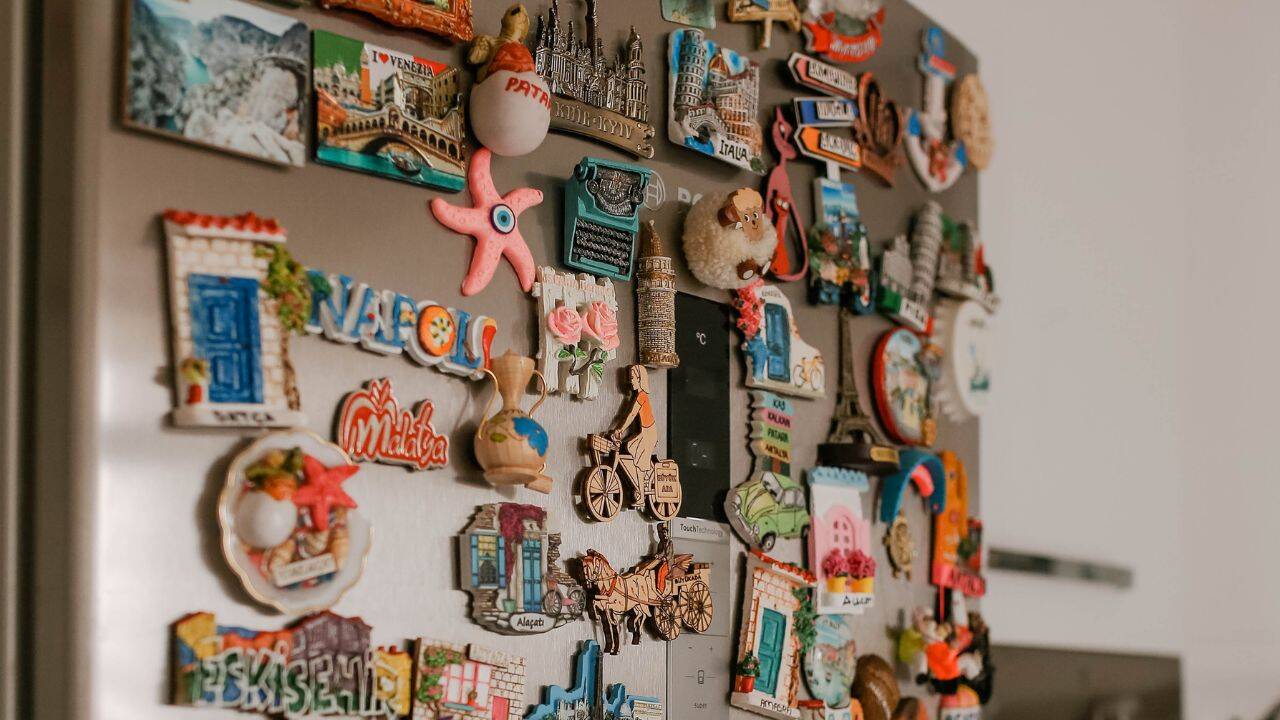
There is another reason parents may keep children’s achievements in such visible places: memories. A child’s first drawing, first football medal, or school certificate is often connected to a specific moment in family life. Years later, that slightly messy painting may remind a parent of when their child was five years old and loved drawing animals. The refrigerator therefore becomes more than an appliance. It can become a small family memory board. Because people pass through the kitchen repeatedly, these objects remain part of everyday life. Family members see them while making breakfast, having dinner, or simply walking past. For the child, this repeated visibility can also create a sense of belonging: “My achievements are part of our family story.” For parents, it can be equally emotional. The display may quietly say, “I remember this moment. I was there. I saw you grow.”
The medal can motivate, but there is a fine line
Psychology also offers another way to understand the habit through positive reinforcement. When children receive attention, encouragement, or recognition after putting effort into something, that positive response can encourage them to continue engaging with similar activities. A child who practices for a race, works on a painting, or learns a musical instrument may feel encouraged when parents recognise that effort. But there is an important difference between celebrating effort and making achievement the condition for love.If a child constantly hears, “We are proud of you because you win,” they may begin to connect their self-worth with success. But if the message is, “We are proud of how much you worked, how much you learned, and how you kept trying,” the focus shifts towards persistence and growth. The refrigerator itself is not what creates this difference. The parenting environment around it does.
Sometimes parents are celebrating their own joy too
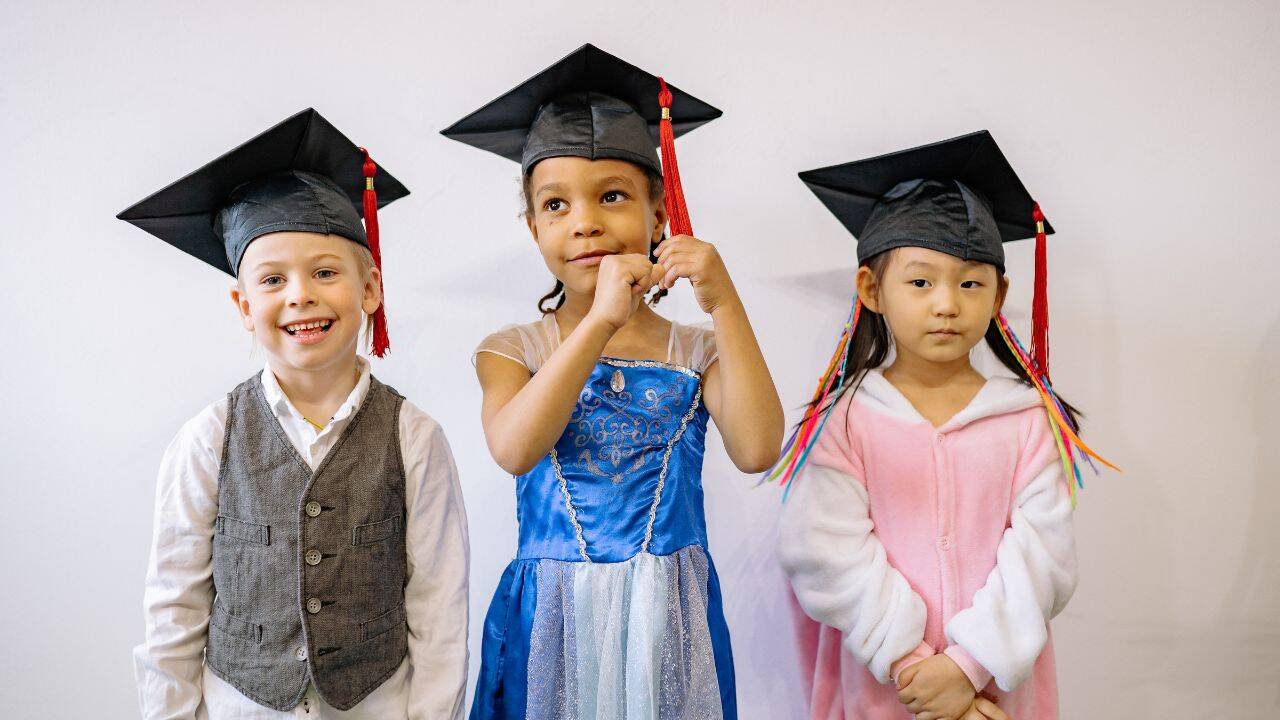
Parents can also have an emotional reason for displaying their children’s achievements. A child’s success can make parents feel proud, happy, and emotionally connected to their journey. A wall covered with drawings or a fridge covered with medals may reflect the parent’s own memories and emotions as much as the child’s accomplishments. That does not automatically mean they are competitive or trying to show off. For many families, it is simply affection made visible.The deeper psychology, then, is not really about the refrigerator. It is about the message behind what is displayed. A medal can say, “You won.” A drawing can say, “You are talented.” But when parents also recognise the effort behind them, the message can become something deeper: “We see you. We value what you do. And we are proud to watch you grow.”