






Putting ice cubes in the dryer: Why people are trying this viral hack and how it may help reduce wrinkles in clothes

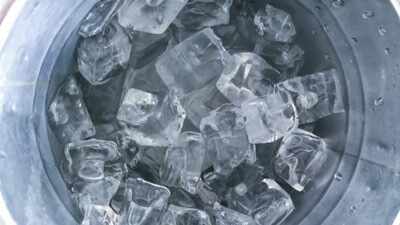
Pulling a wrinkled shirt out of a laundry pile with no time left to iron it is a genuinely familiar kind of panic, and it’s exactly the problem behind one of the more unusual laundry trends making the rounds online. The method is almost absurdly simple: toss a handful of ice cubes into the dryer along with wrinkled clothes, run a short, hot cycle, and the wrinkles are supposed to noticeably relax by the time the cycle ends. It sounds like the kind of thing that couldn’t possibly work, but there’s genuine logic behind it, along with some real limits worth knowing before you try it.
How the ice cube trick actually works
The mechanism itself comes down to basic physics rather than anything mysterious. As the ice cubes sit in the hot, tumbling drum, the heat melts them, and that resulting water quickly turns to steam inside the enclosed space. That steam, combined with the heat and the constant tumbling motion of the dryer, works on fabric fibres in a similar way to a handheld garment steamer, loosening and relaxing the fibres enough for light creases to fall out naturally as the garment moves around inside the drum.
What it’s actually good for, and what it isn’t
This is where it’s worth setting realistic expectations. The steam this method generates genuinely helps with light, surface-level wrinkles, particularly on lightweight fabrics like cotton shirts or cotton-rayon blends, the kind of wrinkling that comes from clothes sitting folded or scrunched for a while. It’s considerably less effective against deep, set-in creases or heavier fabrics like thick denim or structured trousers, where the wrinkles are too pronounced for a quick steam cycle to fully smooth out. It’s a genuinely useful quick fix, not a replacement for an actual iron or professional steaming when a garment needs to look properly crisp.
A genuinely better alternative: The damp cloth version
Here’s an interesting wrinkle in the trend itself: ice cubes might not even be the most efficient way to pull this off. Because ice needs several minutes of dryer heat just to melt before it starts producing any steam at all, some testing has found that tossing in an already-damp cloth or towel works just as well, sometimes better, since it starts generating steam immediately rather than needing time to transition from solid to liquid to vapour first. If you’ve got a spare towel handy, it’s worth trying as a faster alternative to waiting on the ice to melt.
Getting the timing right
Whichever version you use, timing the end of the cycle matters just as much as the trick itself. As soon as the dryer stops, pull the clothes out immediately, while they’re still warm, and hang or fold them right away rather than leaving them sitting in the drum. Clothes left to cool down inside a stopped dryer tend to develop fresh wrinkles from sitting bunched together, effectively undoing the work the steam just did.
Is it safe for your dryer?
For most standard dryers, running a short cycle with just a handful of ice cubes, generally two or three at most, shouldn’t cause any damage to the appliance itself, since the small amount of resulting water is well within what a dryer’s drum and vents normally handle. It’s worth keeping the quantity genuinely small rather than treating it as a bigger fix for a whole basket of wrinkled clothes, and checking your specific dryer’s manual first is a reasonable precaution if you want to be completely sure. Expect a fairly loud rattling sound for the first few minutes while the cubes are still solid and bouncing around the drum.
A quick fix, not a miracle one
The honest verdict on this trend is that it genuinely does what it claims, just modestly. For a shirt with light creases and no time to iron, a few ice cubes and ten minutes in a hot dryer can make a real, visible difference. For anything more seriously wrinkled, it’s still worth reaching for an iron or a proper steamer instead.
Disclaimer:
This article is intended for general informational purposes only. Results can vary depending on fabric type, dryer model, and the severity of wrinkling. Check your dryer’s manual if you have concerns about using this method with your specific appliance.