





Rupee falls to fresh record low of 96.20 against US dollar; down 5.5% since Iran war began


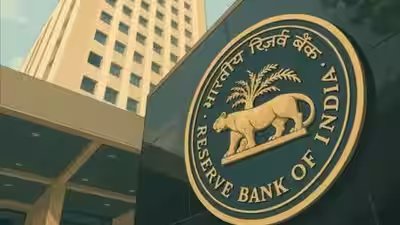
Rupee extended its fall on Monday, opening at an all-time low of 96.20 against the US dollar, slipping 0.2% from its previous close. This comes as the ongoing Middle East conflict continues to cloud sentiments and unsettle markets. With this fall the currency has trimmed 5.5% since the crisis began. Last week, the currency crossed the Rs 96-per-dollar threshold for the first time, hitting an intraday low of 96.14 on Friday before closing at 95.97. One of the major factors behind rupee’s fall are rising oil prices. On Monday, Brent crude climbed to $111 a barrel after reports of an attack on a nuclear power plant in the United Arab Emirates. Alongside this, US President Donald Trump is expected to consider potential military options against Iran during upcoming discussions. Rupee’s record slide has intensified worries over India’s macroeconomic outlook, particularly as a larger-than-expected trade deficit and muted capital inflows leave the economy more exposed to external shocks. “The ongoing geopolitical uncertainty and energy-driven macro pressures continued to fuel strong dollar demand globally, pushing the rupee beyond the Rs 96 mark,” said Ponmudi R, CEO of Enrich Money. He added that the currency weakness has raised investor anxiety over “India’s rising import bill, worsening inflation trajectory, and potential slowdown in economic growth at a time when the macroeconomic environment is already under severe strain.“ Dalal Street reflected the weak sentiments, with both benchmarks slipping over 1%. Nifty50 opened at 23,396.45, down 247 points or 1.04% while BSE Sensex was at 74,430.35, down 808 points or 1.07%. Authorities have already rolled out measures aimed at slowing rupee’s decline. These include restrictions on precious metals imports, with most silver imports curbed over the weekend, shortly after import tariffs on silver and gold had been lifted. The Reserve Bank of India has also stepped into currency markets and tightened rules around banks’ net open positions. “In the near term, growing balance of payments pressures will have to be absorbed across multiple instruments: rupee depreciation, FX intervention, incentivising capital flows and compressing the current account,” economists at JP Morgan said in a note, cited by Reuters. Currency traders expect depreciation pressures to persist through the week, with RBI intervention likely to determine whether the rupee’s losses remain gradual or accelerate sharply.