






Scottish Water: Scotland recycles 72,000 contaminated single-use plastic bottles in a world-first move as new technology targets Petri dishes and pipette tips |
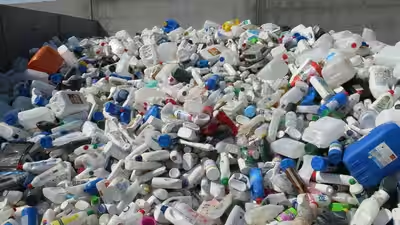
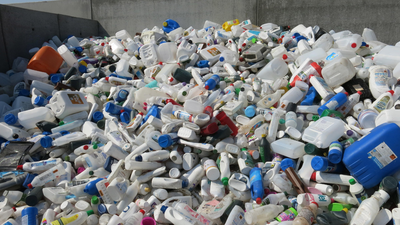
Scotland is taking a new approach to laboratory plastic waste. A new recycling system has already processed around 72,000 contaminated plastic sample bottles. The technology is now being expanded to Petri dishes and pipette tips. Scottish Water has become the first utility in the world to adopt Envetec Sustainable Technologies’ GENERATIONS technology. The system disinfects and shreds selected laboratory plastics on site. The treated material can then be prepared for recycling. Scottish Water’s laboratories carry out around three million analytical tests each year. These tests help monitor water quality, protect public health and safeguard the environment. But they also generate large amounts of single-use plastic waste. The new system aims to give some of that difficult-to-recycle material a second life.
How Scotland is recycling contaminated plastic bottles
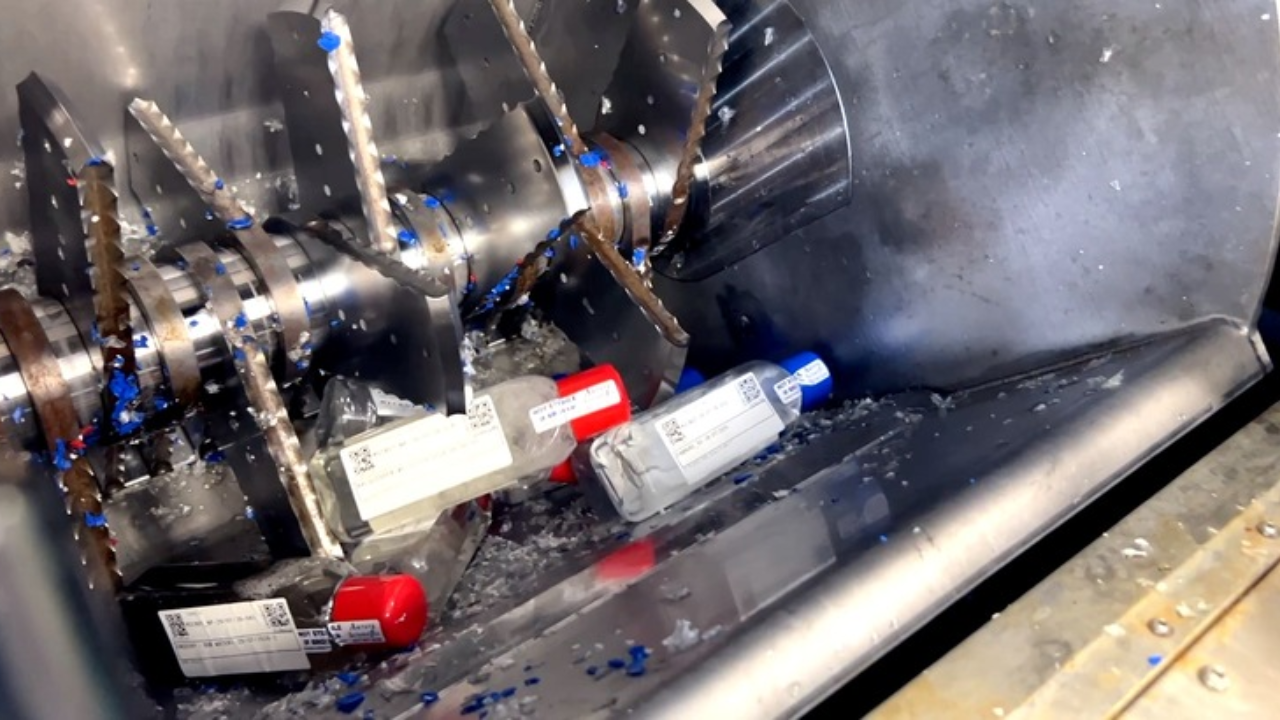
The technology being used by Scottish Water is called GENERATIONS. It was developed by Envetec Sustainable Technologies to process certain types of laboratory waste on site. The system combines disinfection and shredding in one process. This is important because some laboratory plastics may have been exposed to biological material. Such waste cannot simply be placed into conventional recycling streams. It must first be treated to make it safe. GENERATIONS is designed to disinfect the selected waste before shredding it. The processed plastic can then be prepared for an appropriate recycling route. This can reduce reliance on traditional disposal methods. These include autoclaving, incineration and landfill. The system also records information about the waste being processed. This includes the amount of waste, material and polymer types, laboratory sources and downstream pathways. The information can help Scottish Water understand its waste streams and identify other materials that could potentially be treated in the same way.
72,000 bottles have already been processed
Around 72,000 sample bottles have gone through the system since January 2026. This is the clearest result from the project so far. Scottish Water was already recycling uncontaminated sample bottles before the new technology was introduced. The 72,000 bottles should therefore not be described as plastic that would otherwise have all gone to landfill. Instead, the new system provides a more efficient on-site processing route. It also creates a way to deal with selected plastic that may have been exposed to microbiological material. Scottish Water’s Scientific Services teams conduct around three million analytical tests every year. Its laboratories operate in locations including Edinburgh and Inverness. The tests are used to monitor water quality and support public health and environmental protection. They also require large quantities of sterile, single-use plastic. Scottish Water says its Scientific Services operation is the company’s largest producer of plastic waste. The new process can reduce the amount of time staff spend manually handling sample bottles. It can also reduce the number of collections needed to move plastic waste away from laboratory sites.
Petri dishes and pipette tips are next
The project is now moving beyond sample bottles. Scottish Water is expanding the technology to other laboratory plastics. These include Petri dishes and pipette tips. Both are commonly used during microbiological testing. They are also generally designed for single use. Laboratories need strict controls to prevent samples from becoming contaminated. This makes reusable alternatives difficult in many testing situations. The waste problem becomes even more complicated when these items come into contact with microbiological material. They cannot automatically enter normal recycling streams after use. The new technology could provide a way to treat selected items before they are sent for recycling. However, the expansion does not mean that every Petri dish and pipette tip is already being recycled through the system. These materials are part of the next stage of the project. Scottish Water is assessing how the technology can be applied to these additional waste streams. If the approach works at scale, it could create another route for recovering plastic that would otherwise be difficult to recycle.
Why laboratory plastic is difficult to recycle
Laboratories depend heavily on single-use plastic. Sterility is essential for many scientific tests. Reusing equipment can create a risk of contamination between samples. Disposable plastic therefore remains an important part of laboratory work. But it also creates a significant waste problem. The challenge becomes greater when plastic has been exposed to biological material. Such waste needs to be treated before it can be handled safely. Autoclaving has traditionally been used to sterilise potentially contaminated laboratory waste. The process uses high-pressure steam to kill microorganisms. But sterilising the waste does not always mean that the plastic can then be recycled. Some material can still end up being incinerated or sent to landfill. GENERATIONS takes a different approach by combining disinfection and shredding at the laboratory site. The treated material can then be prepared for an appropriate recycling pathway. Scottish Water says the approach can reduce reliance on autoclaving, incineration and landfill for suitable waste streams. It can also reduce associated water and energy use. However, the technology is not a solution for every form of contaminated laboratory waste. Different materials require different treatment and safety considerations.
Could this technology change laboratory recycling?
The Scottish Water project could provide a new model for handling specialist plastic waste. The main difference is that the treatment happens close to where the waste is produced. Selected contaminated plastics do not have to follow the same disposal route as conventional laboratory waste. They can instead be disinfected and shredded on site before being prepared for recycling. This could reduce the need for some waste collections. It could also make the movement of the material easier to track. GENERATIONS records information about waste volumes, material types and laboratory sources. It can also track downstream pathways and provide information on indicative emissions savings. Scottish Water says this data can improve traceability and reporting. It could also help the utility identify additional waste streams that may be suitable for the technology. For now, the most concrete result is the approximately 72,000 sample bottles processed since January 2026. The expansion to Petri dishes and pipette tips represents the next stage. If the technology continues to prove effective, it could help laboratories recover more plastic while maintaining the safety standards required for scientific testing.