






Teen Sleep Habits: Your teenager may be losing sleep after midnight without you knowing, warns study: Why parents may need to rethink one bedtime habit |


Every night, countless parents believe the day has finally ended. The lights are off, homework is done, and their teenager is safely tucked into bed. But for many families, bedtime isn’t really the end of the day- it is simply the moment the phone takes over.A recent study has found that more than half of adolescents continue using their smartphones between midnight and 4 a.m. on school nights, sacrificing precious sleep during one of the most critical stages of brain development. The findings offer one of the clearest pictures yet of what actually happens after parents say goodnight.
28 Jul 2026 | 16:25
Do you think social media has changed the parent-teen relationship?
Researchers from the University of California, San Francisco (UCSF) and other collaborators tracked smartphone use of 657 adolescents. The average age of these children was 15 years. While previous studies tracked phone usage, researchers this time had software installed on the kids’ phone to keep track of their phone usage. This way the researchers objectively measured the phone activity.
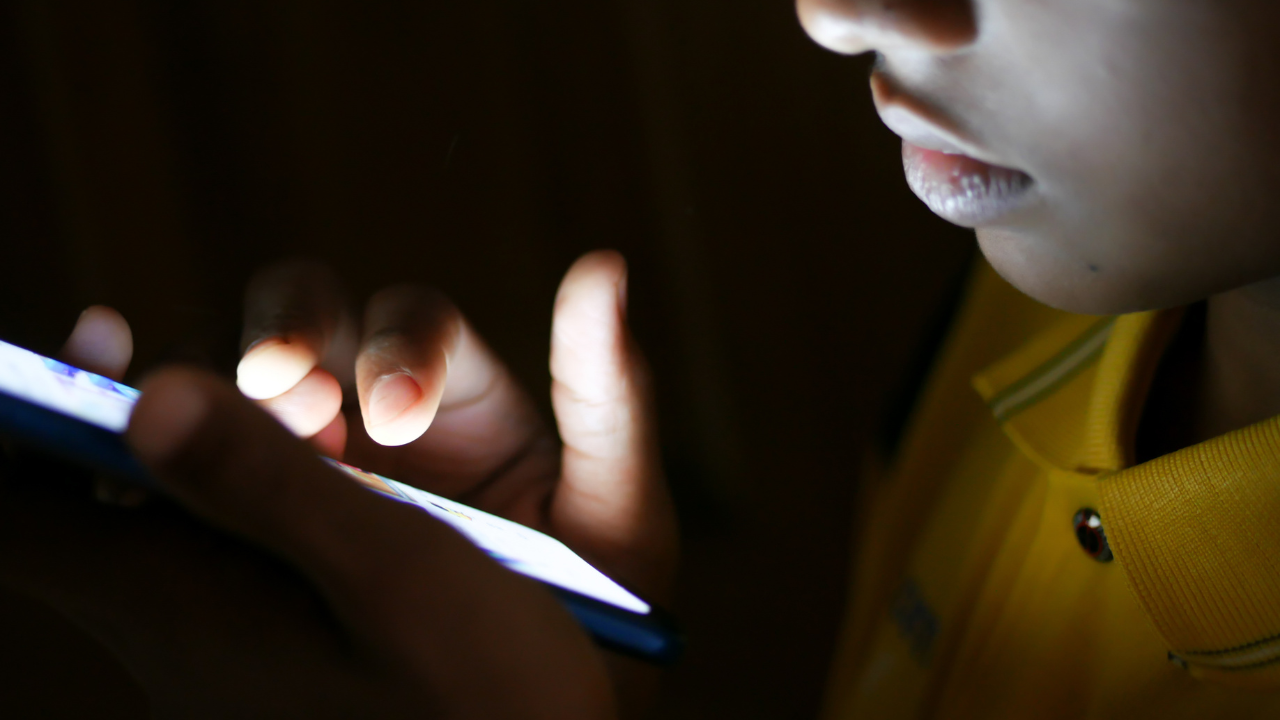
File photo
The results were striking
Teenagers spent an average of more than 50 minutes using their smartphones between 10 p.m. and 6 a.m. on school nights- among which more than half used their phones between midnight and 4 a.m.The most commonly used apps were social media apps, followed by streaming platforms and games.Older adolescents and some socioeconomic groups tended to spend even more time on their phones overnight.
Why do these findings matter
Resting is more than just laying down, and sleep isn’t simply “rest.” During adolescence and teenage, the brain goes through rapid development. Learning, emotional regulation, hormone production and physical growth- all these are highly dependent on getting enough uninterrupted sleep. The American Academy of Sleep Medicine recommends that teenagers between age 13 to 18 years should get 8 to 10 hours of sleep every night for optimal physical and mental health.This is what makes the findings concerning. When teens stay awake scrolling through social media and other platforms, they are losing almost an hour every night.
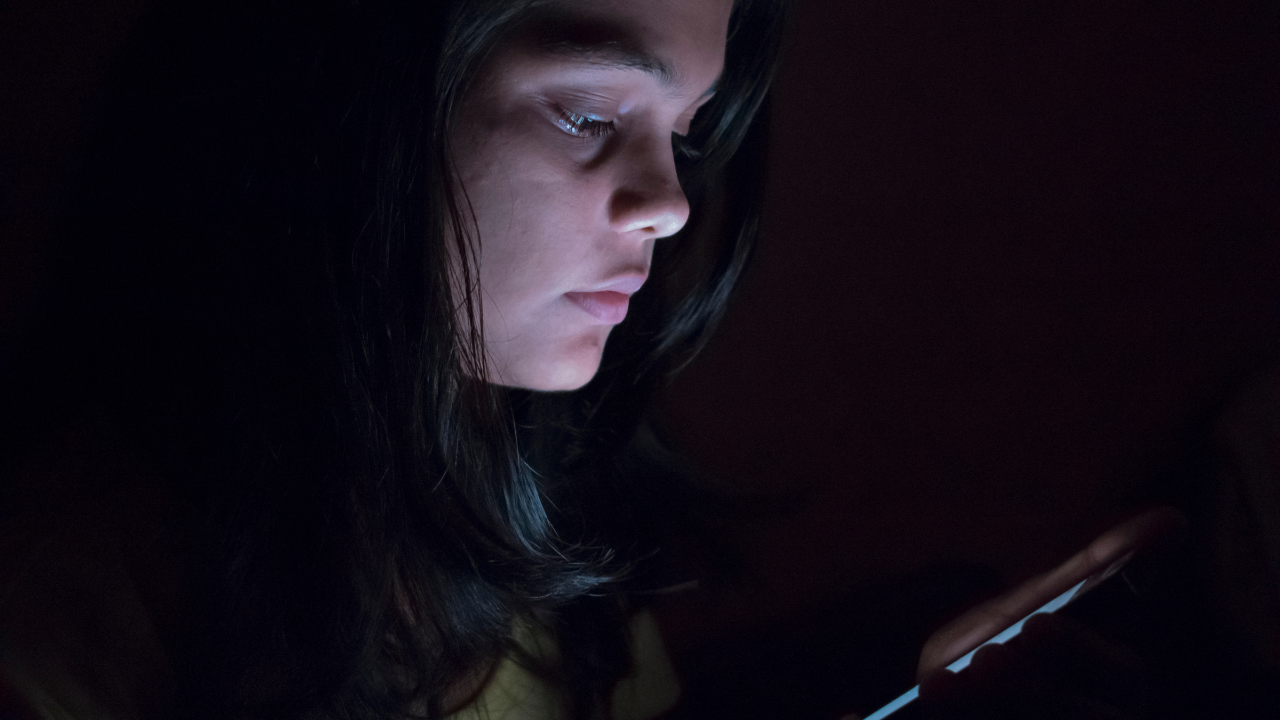
File photo
This isn’t the first study to raise concerns
The new findings build upon a growing body of research linking late-night screen use with poorer sleep. A2024 study published in JAMA Pediatrics objectively measured evening screen habits among children aged 11–14 and found that screen use after getting into bed was associated with shorter sleep duration and poorer sleep quality. Interestingly, simply using screens earlier in the evening was not consistently harmful; the biggest problem appeared to be screen time while already in bed, when children should have been preparing to sleep.
Why are phones so difficult to put down at night?
Parents often assume teenagers simply lack discipline. The reality is more complicated because social media platforms are designed to be addictive- they encourage continuous engagement. Since nighttime gives teenagers fewer interruptions, using phones becomes more appealing and thus leads to endless scrolling.
How parents can handle this the right way
Completely banning technology isn’t the solution; instead, it can make things worse. This is why parents should choose to establish healthy digital habits in their teenagers. Some practical strategies include keeping phones outside the bedroom, especially at night, creating an overall family digital curfew, turning off all non-essential notifications, and replacing phone alarm clocks with traditional alarm clocks.Most importantly, the kind of behavior parents model sends a powerful message to the kids. If adults answer work emails in bed, scroll through social media until midnight or keep their own phones beside the pillow, teens interpret it as something “normal” and unknowingly behave the same way.Parents cannot control every notification or every social media algorithm. But they can help create an environment where sleep is protected, conversations about digital habits are open, and bedtime once again becomes what it is meant to be: the beginning of rest, not another hour online.