






Think kidney stones are random? Urologist says lifestyle matters |
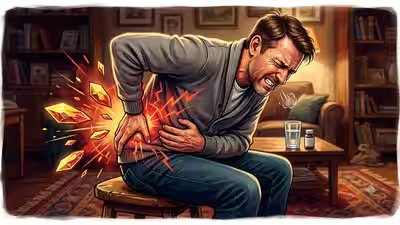
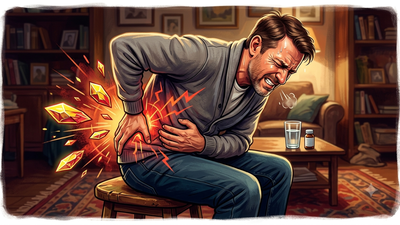
The first sign of a urinary stone may be a pain so intense that it can stop a person in their tracks. But the stone itself may have been quietly forming long before that moment. What makes the problem increasingly concerning is that kidney and bladder stones are no longer being seen only in older adults. Poor hydration, salty and processed diets, obesity, sedentary routines and metabolic conditions are increasingly creating the conditions in which these stones can form.“Kidney and bladder stones are increasingly associated with modern lifestyle patterns, including inadequate hydration, high-salt diets, obesity, sedentary routines, and poorly controlled metabolic conditions,” said Dr. Sony Mehta, Consultant- Urologist, S.L. Raheja Hospital, Mumbai- A Fortis Associate.Kidney stones develop when substances such as calcium, oxalate or uric acid become highly concentrated in urine and crystallise. These crystals can gradually grow and eventually move into the ureter, the narrow tube that carries urine from the kidney to the bladder, triggering severe pain.Bladder stones are different. They are often linked to incomplete emptying of the bladder, which allows concentrated urine and minerals to remain behind. Conditions such as an enlarged prostate, narrowing of the urinary passage, nerve-related bladder problems and recurrent urinary infections can raise the risk.According to Dr. Mehta, one of the biggest contributors to stone formation is something many people take for granted: water.“Many people simply do not drink enough water. Long working hours, frequent travel, limited access to clean washrooms and the habit of deliberately avoiding urination can all reduce fluid intake,” he explained.The problem can become more pronounced in hot and humid weather. When the body loses a significant amount of fluid through sweating and that loss is not replaced, urine becomes more concentrated, creating a more favourable environment for minerals to crystallise.“Risk becomes greater in hot and humid climates, where substantial fluid is lost through sweat,” Dr. Mehta said.Diet is another important part of the picture. A high-salt diet can increase the amount of calcium released into the urine, while obesity, diabetes, high uric acid and metabolic syndrome may further promote stone formation.This combination is also changing the age profile of patients. Stones are increasingly being detected in younger people, including adolescents. Reduced physical activity, greater consumption of processed foods and inadequate water intake during school, college or work may all contribute.Family history can add another layer of risk. People with close relatives who have experienced kidney stones may have an increased underlying susceptibility.But stones do not always announce their presence with dramatic pain. Some can remain unnoticed until they become large enough to obstruct urine flow or trigger an infection.“Warning signs may include pain in the side, back, lower abdomen or groin; blood in the urine; burning during urination; nausea; frequent urination; or difficulty passing urine,” Dr. Mehta said.There is one combination of symptoms that should not be ignored: urinary pain accompanied by fever or chills.“Fever and chills along with pain during urination may signify an infection due to an obstruction and require immediate medical assistance,” he warned.For people trying to prevent stones, hydration remains one of the most practical steps. Drinking water regularly through the day is more useful than waiting until thirst sets in, particularly during exercise, outdoor activity or very hot weather.“Urine colour may be a useful, day-to-day indicator for checking how well hydrated one is: dark yellow urine is a sign that one is not drinking enough fluids,” Dr. Mehta said, while noting that some medications and products can also alter urine colour.Food choices matter as well. Cutting back on excess salt and highly processed foods can help, while meals should include vegetables, fruits and appropriate sources of dietary calcium.One common misconception, however, is that people prone to kidney stones should eliminate calcium from their diet.“Calcium should not be eliminated without medical advice. Normal calcium intake from food can help bind oxalate within the intestine and may reduce the amount reaching the urine,” Dr. Mehta explained.Excessive use of protein powders, vitamin supplements or herbal products should also be avoided unless there is a medical reason to take them.And for someone who has already passed a stone, simply being told to drink more water may not be enough.“Stone analysis, blood tests and, in selected cases, a 24-hour urine assessment can identify the underlying cause,” said Dr. Mehta.That distinction is important because not all stones are formed for the same reason. Identifying the stone type and the factors driving its formation can allow prevention to be tailored to the individual rather than relying on broad dietary restrictions.Repeated stones, therefore, should not simply be treated as bad luck.“Urinary stones may be common, but repeated episodes should never be accepted as inevitable,” Dr. Mehta said.Better hydration, balanced nutrition, weight management and timely evaluation of urinary symptoms can help reduce the risk. And perhaps the most important lesson is that a painful stone is often the final stage of a process that began much earlier.The body may send its loudest warning when the stone starts moving. But the real opportunity to prevent it begins when it is still microscopic.