




“Today I got late by an hour because I got stuck in the traffic from Worli to this hotel”: Nitin Gadkari explains why Mumbai needs a new traffic solution
Mumbai traffic is not a hidden issue. While India’s financial capital is dotted with some incredible architectural beauties and beautiful beaches, the traffic condition still remains a common everyday problem. Mumbai’s traffic has a peculiar way of turning short distances into long journeys. And that’s exactly why Union Road Transport and Highways Minister Nitin Gadkari’s recent experience in the city is significant. He was caught in a bad jam which delayed the program by over an hour.What happened
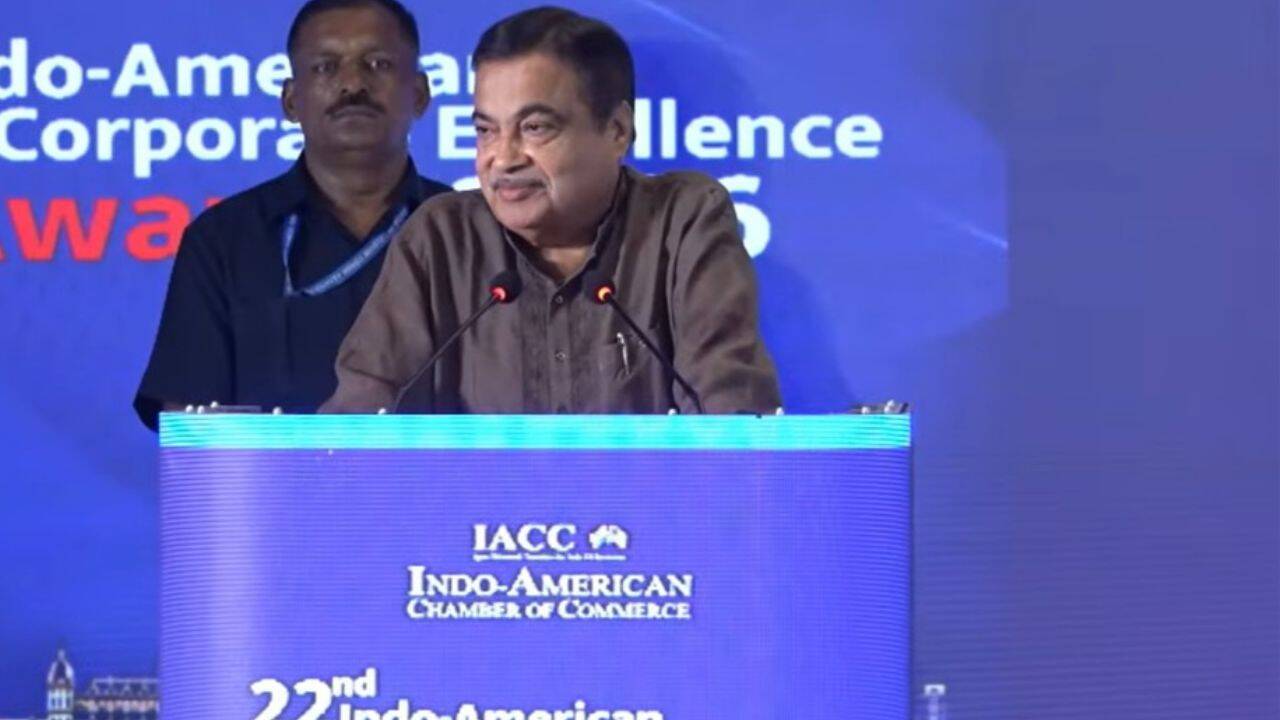
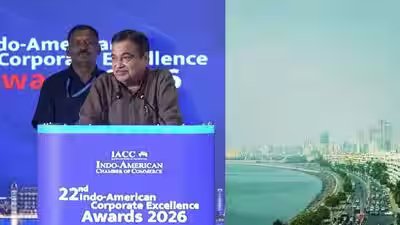
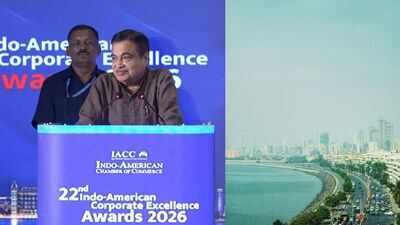
Nitin Gadkari addressing people at 22nd Indo-American Corporate Excellence Awards (Youtube)
On September 12, Gadkari was travelling from Worli to attend an event in Mumbai. But because of heavy traffic, he got delayed by about an hour. Speaking at the 22nd Indo-American Corporate Excellence Awards, he shared the experience and mentioned that some of Mumbai’s older flyovers are now struggling.Addressing the gathering, he said, “Today I got late by an hour to reach here for this programme, because I got stuck in the traffic from Worli to this hotel. It took me one extra hour.”“But that is actually me paying for my mistake. From 1995–2000, I got a chance to construct 55 flyovers, the Bandra-Worli Sea Link and the Mumbai-Pune Expressway, but at that time this technology was not available,” he said.He further informed that he has proposed an infrastructure programme worth INR 50,000 crore in Pune and that India had recently acquired technology from Malaysia that would allow several levels of flyovers to be built over a single set of pillars.What it means for travellers
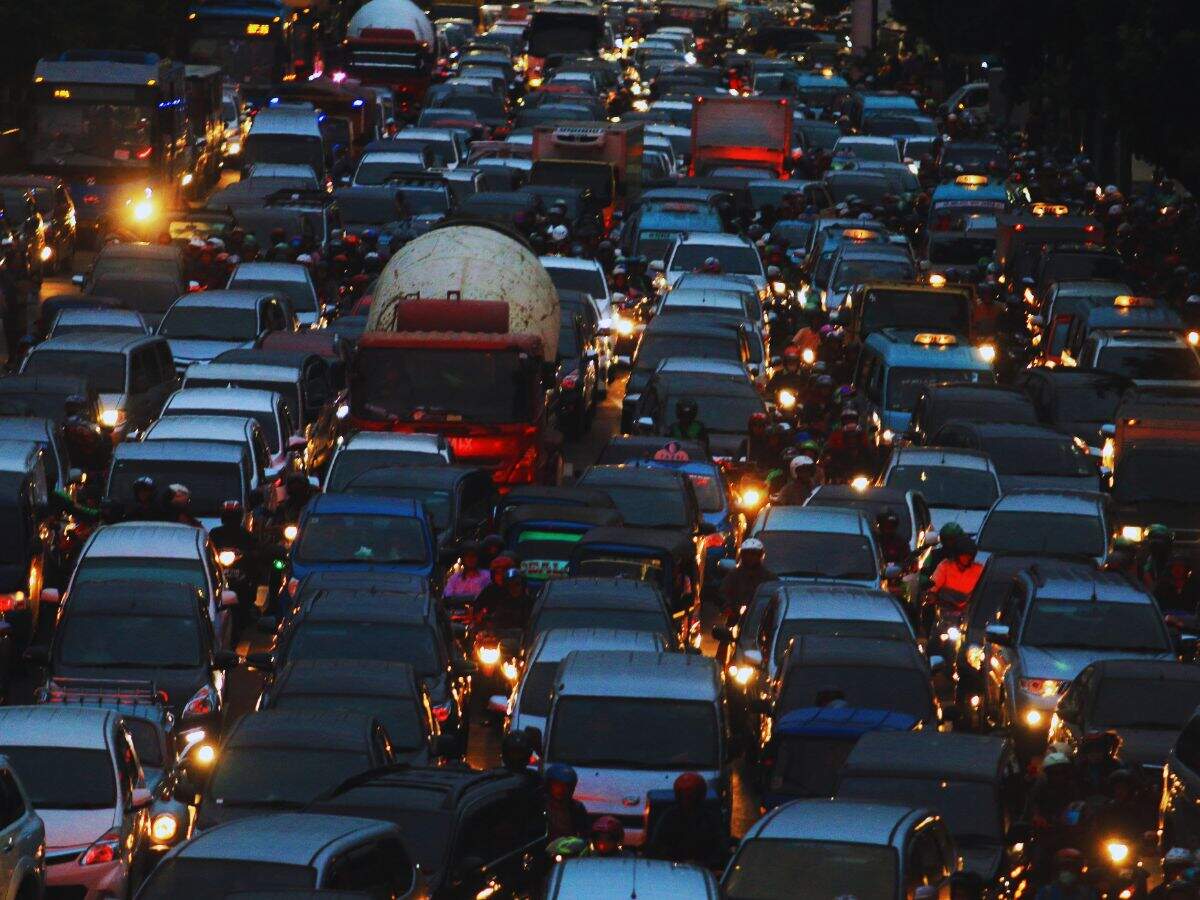
Mumbai traffic (canva)
For travellers, the important point is that Mumbai’s traffic problem is not simply about the number of cars on the road. It is also about how the city’s infrastructure was designed and how much the city has changed since then.Gadkari recalled that during his tenure as Maharashtra’s Public Works Minister between 1995 and 2000, several major projects were constructed, including 55 flyovers, the Bandra-Worli Sea Link and the Mumbai-Pune Expressway. Those projects were designed for the traffic conditions and engineering possibilities of that period.30 years later, Mumbai has expanded into a much larger city, with people travelling daily between Mumbai, Thane, Navi Mumbai and suburbs on both sides of the city. Roads that once functioned as solutions can themselves become bottlenecks when traffic volumes increase around them.This is particularly visible on major corridors such as the Western Express Highway, Eastern Express Highway and Sion-Panvel Highway, among others.The Worli traffic episodeGadkari’s journey from Worli is an interesting example because the area sits within one of Mumbai’s most heavily travelled parts of the road network. Worli connects several important movements including South Mumbai, the Bandra-Worli Sea Link, the Western Express Highway and the city’s coastal road network.He also said that he had advised Devendra Fadnavis, the Chief Minister of Maharashtra, to replace existing flyovers with structures based on modern technologies.Instead of simply adding more conventional flyovers, Gadkari suggested using newer construction technology to create multi-level infrastructure.The idea is making the roads of Mumbai traveller and people friendly.What this means for people travelling in Mumbai
Mumbai cafe (Canva)
For visitors, the lesson is simple, don’t plan Mumbai itineraries purely by kilometres. A five-kilometre journey can consume a surprising amount of time during peak traffic, particularly around major arterial roads and junctions.Gadkari’s hour-long delay therefore became more than an anecdote. It offered a glimpse into Mumbai’s larger mobility challenge and infrastructure that once helped the city move faster now has to be redesigned for a city that has grown far beyond the traffic patterns of the 1990s.