





US inflation climbs above 4% for first time in three years as consumer spending stays resilient

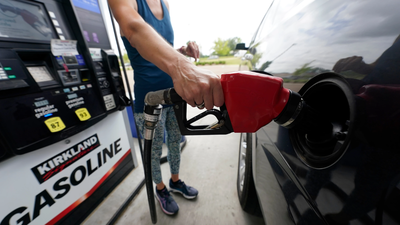
US inflation accelerated above the 4% mark for the first time in three years in May, driven by higher energy prices following the Middle East conflict, while consumer spending remained resilient despite rising living costs, according to Reuters.The Personal Consumption Expenditures (PCE) price index, the US Federal Reserve’s preferred inflation gauge, rose 4.1% in the 12 months through May, up from 3.8% in April, data released by the Commerce Department’s Bureau of Economic Analysis showed on Thursday.The reading matched economists’ expectations in a Reuters poll and marked the first time annual PCE inflation has crossed 4% since April 2023.On a monthly basis, the PCE price index increased 0.4% in May, unchanged from April.The rise in inflation comes after the US-led conflict with Iran drove up global crude oil and gasoline prices.Although oil prices have eased in recent weeks following a fragile ceasefire and a preliminary peace agreement signed last week by US President Donald Trump and Iranian President Masoud Pezeshkian, economists expect inflationary pressures to persist for some time.Consumers were already grappling with higher prices resulting from Trump’s sweeping import tariffs before the conflict, making the cost of living a key political issue ahead of the November midterm elections.Excluding volatile food and energy prices, the core PCE price index rose 3.4% year-on-year in May after increasing 3.3% in April.On a monthly basis, core PCE inflation increased 0.3%, unchanged from the previous month.The Federal Reserve targets 2% inflation and closely tracks the PCE index while setting monetary policy.Last week, the Fed left its benchmark interest rate unchanged in the 3.50%-3.75% range, though updated projections showed policymakers expect borrowing costs to rise later this year amid persistent inflation concerns.Financial markets are currently pricing in a possible rate hike as early as September, with another increase likely thereafter.Despite elevated inflation, US consumers continued to spend, supported by larger tax refunds, a rally in stock markets and lower household savings.Consumer spending, which accounts for more than two-thirds of US economic activity, rose 0.7% in May after increasing 0.4% in April.According to Reuters, while part of the increase reflected higher prices, consumption appears on track to accelerate in the second quarter after slowing in the January-March period.Current estimates place second-quarter US GDP growth at as much as 3% on an annualised basis.However, economists expect household spending to moderate later this year as inflation continues to outpace wage growth, tax refund benefits fade and household savings decline.