






Why some children disrespect their mothers and what a father’s behaviour has to do with it
Respect for parents is often seen as something children either naturally have or lack. In reality, psychologists say it is usually shaped over years through family dynamics, emotional security and the behaviour children witness at home. When a child repeatedly speaks harshly to their mother, ignores her boundaries or dismisses her feelings, it is rarely caused by a single incident. Instead, it often reflects patterns that have developed within the family, and one of the most influential factors can be the father’s behaviour. This does not mean fathers are solely responsible whenever a child is disrespectful. Parenting is complex, and every family is different. However, research suggests that children learn far more from what they observe than from what they are told. The relationship between parents often becomes the blueprint for how children understand respect, communication and conflict. Scroll down to read more…
Children copy what they see
One of the strongest explanations comes from social learning theory, developed by psychologist Albert Bandura and published in National Library of Medicine showed that children learn behaviours by observing the people around them, especially parents. If a father frequently dismisses, criticises, mocks or speaks disrespectfully to the child’s mother, the child may begin to see that behaviour as normal. Even subtle actions matter. Rolling one’s eyes, interrupting, making jokes at the mother’s expense or ignoring her opinions can silently teach children that her voice carries less value than others.
28 Jul 2026 | 16:22
How do you teach children about money and financial responsibility?
A united parenting approach matters
Family therapists often emphasise that children benefit when parents present a united front. When one parent consistently undermines the other by contradicting rules, criticising decisions in front of the child or acting as the “good parent” while portraying the other as unreasonable, respect can gradually erode.
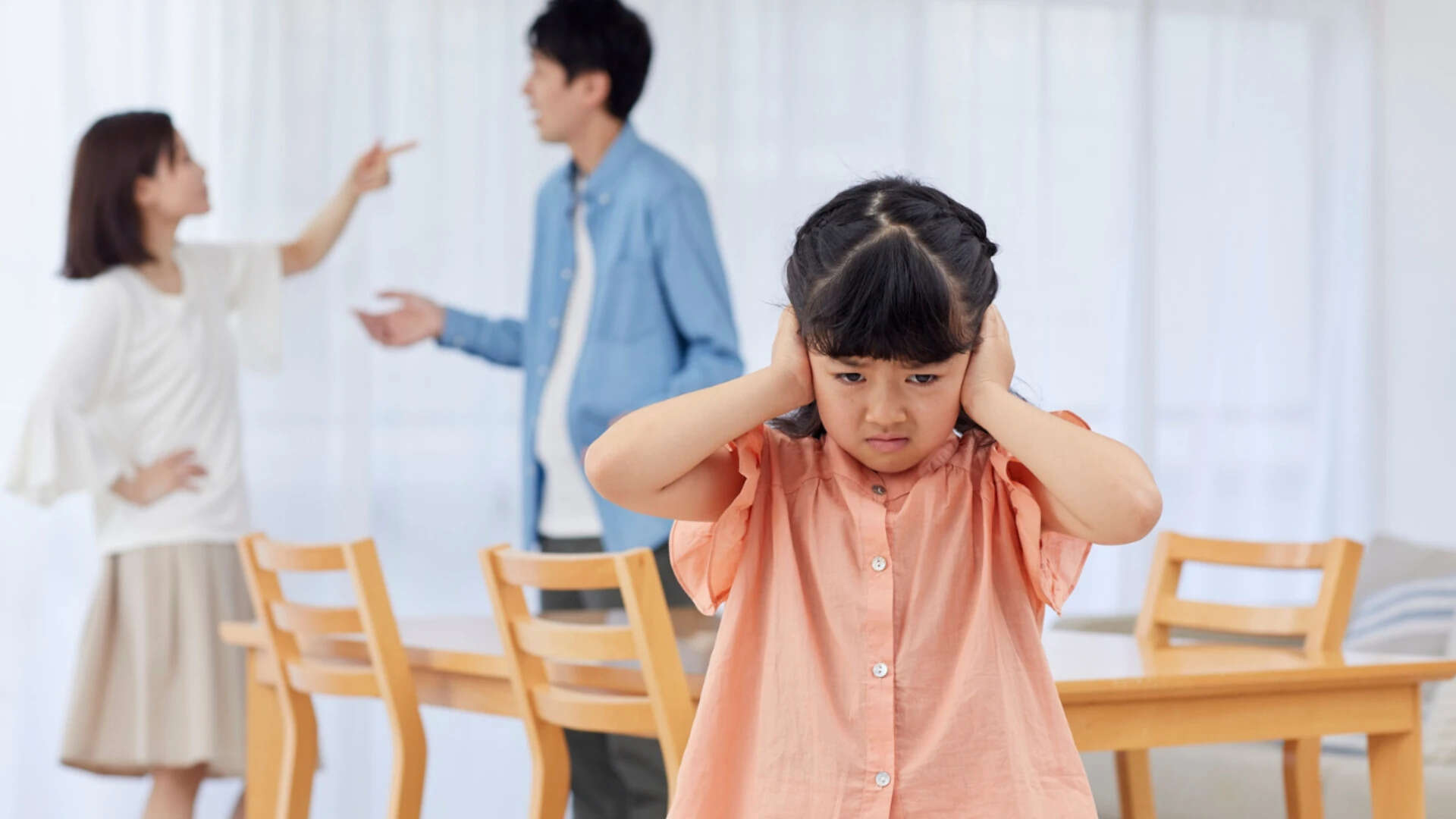
For example, if a mother sets a boundary and the father immediately overturns it, children may learn that her authority is optional. Over time, this can encourage arguing, manipulation and dismissive behaviour.
Emotional security shapes behaviour
Children thrive when they feel emotionally secure. According to Emotional Security Theory, frequent conflict between parents can affect how children regulate emotions and respond to stress. Some children react by becoming withdrawn, while others become argumentative or defiant. When home feels emotionally unstable, frustration is often directed toward the parent perceived as the safer or more emotionally available figure, which is commonly the mother. This does not mean she caused the behaviour, but rather that children sometimes express difficult emotions where they feel safest.
Fathers model how women should be treated
Whether consciously or not, fathers also shape children’s attitudes towards women. Sons often develop early ideas about masculinity and relationships by watching how their father treats their mother. Daughters, too, learn what respectful relationships look like and how they themselves should expect to be treated.
A father who listens respectfully, apologises when wrong, shares responsibilities and values his partner’s opinions demonstrates that respect is mutual rather than dependent on authority.
Other factors also play a role
Father-child dynamics are only one part of a much larger picture. Children’s behaviour can also be influenced by:
- Their temperament and personality.
- Peer influence and social media.
- Their temperament and personality.
- For this reason, experts caution against blaming one parent for a child’s disrespectful behaviour.
- Family relationships are shaped by multiple interacting factors.
Respect begins with everyday interactions
Children are constantly watching how adults communicate, especially during moments of disagreement. A home where both parents speak kindly, support each other’s decisions and resolve conflicts respectfully gives children powerful lessons that no lecture can replace.

Ultimately, respect is not something children simply inherit. It is something they witness, experience and practise every day. While fathers play a significant role by modelling how they treat their partner, both parents contribute to creating an environment where kindness, empathy and mutual respect become the family norm. When children consistently see respect at home, they are far more likely to carry those behaviours into their own relationships throughout life.